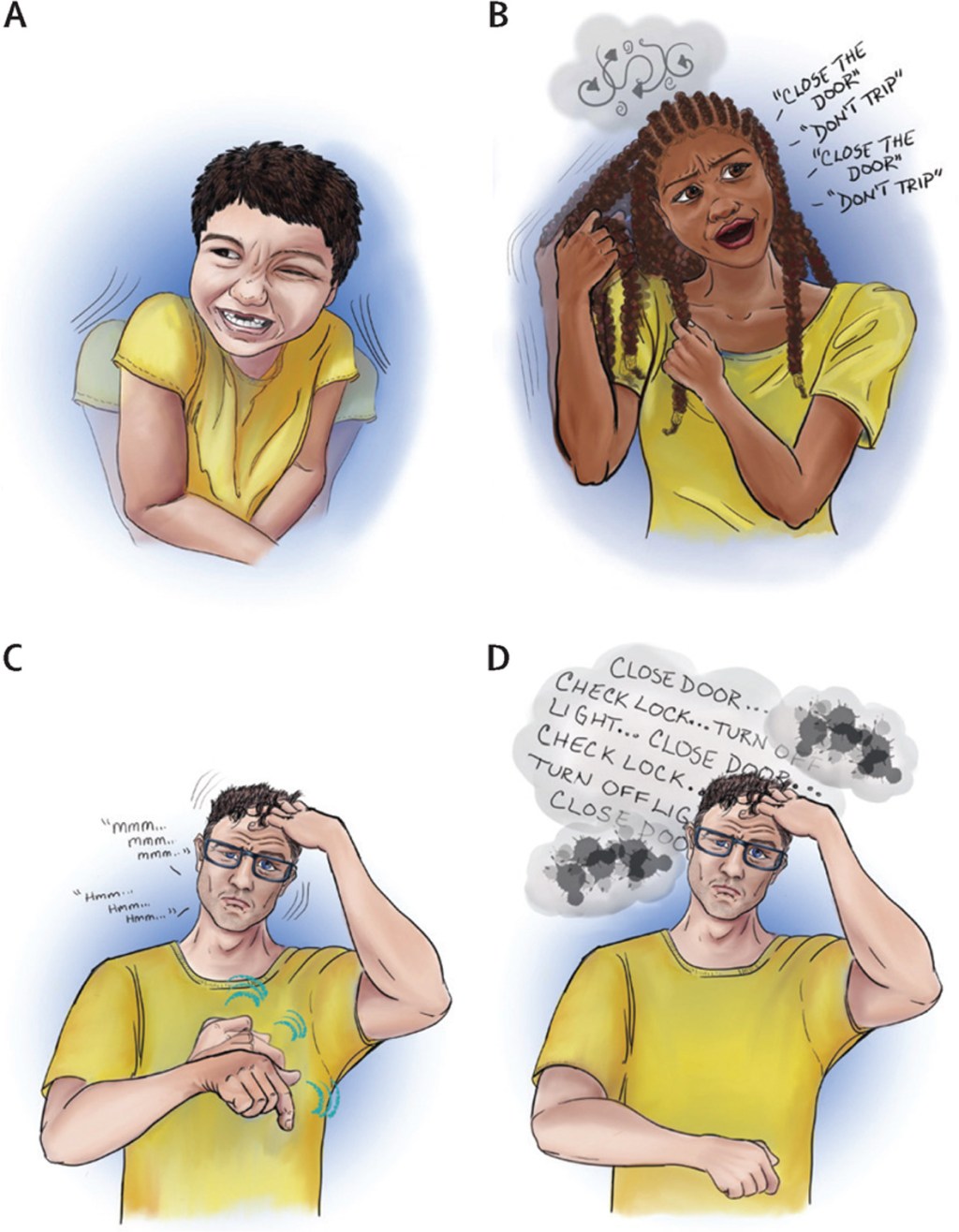
Tourette Syndrome is a neurological disorder characterized by repetitive, involuntary movements and vocalizations known as tics. These tics can range from mild to severe, with some individuals experiencing motor tics such as eye blinking or head jerking, while others may have vocal tics like grunting or shouting out words.
One of the misconceptions about Tourette Syndrome is that it only involves swearing or inappropriate language (known as coprolalia), when in fact, this symptom only affects a small percentage of individuals with the condition. Most people with Tourette Syndrome do not exhibit this particular tic.
The exact cause of Tourette Syndrome is not yet fully understood, but it is believed to involve a combination of genetic and environmental factors. It often begins in childhood and tends to peak during adolescence before improving in adulthood. While there is currently no cure for Tourette Syndrome, there are treatment options available to help manage symptoms.
Individuals with Tourette Syndrome may face challenges at school due to difficulties concentrating or social stigma related to their tics. Alternative schooling options can provide a supportive environment where students can receive tailored accommodations and understanding from educators who are trained in working with neurodiverse populations.
It’s important for educators and peers alike to be educated about Tourette Syndrome so they can better support individuals living with the condition. By fostering a positive and inclusive school environment, students with Tourette Syndrome can thrive academically and socially despite the challenges they may face. With proper support and understanding, individuals with Tourette Syndrome can reach their full potential and contribute meaningfully to their communities.
 Alternative Amie
Leave a comment