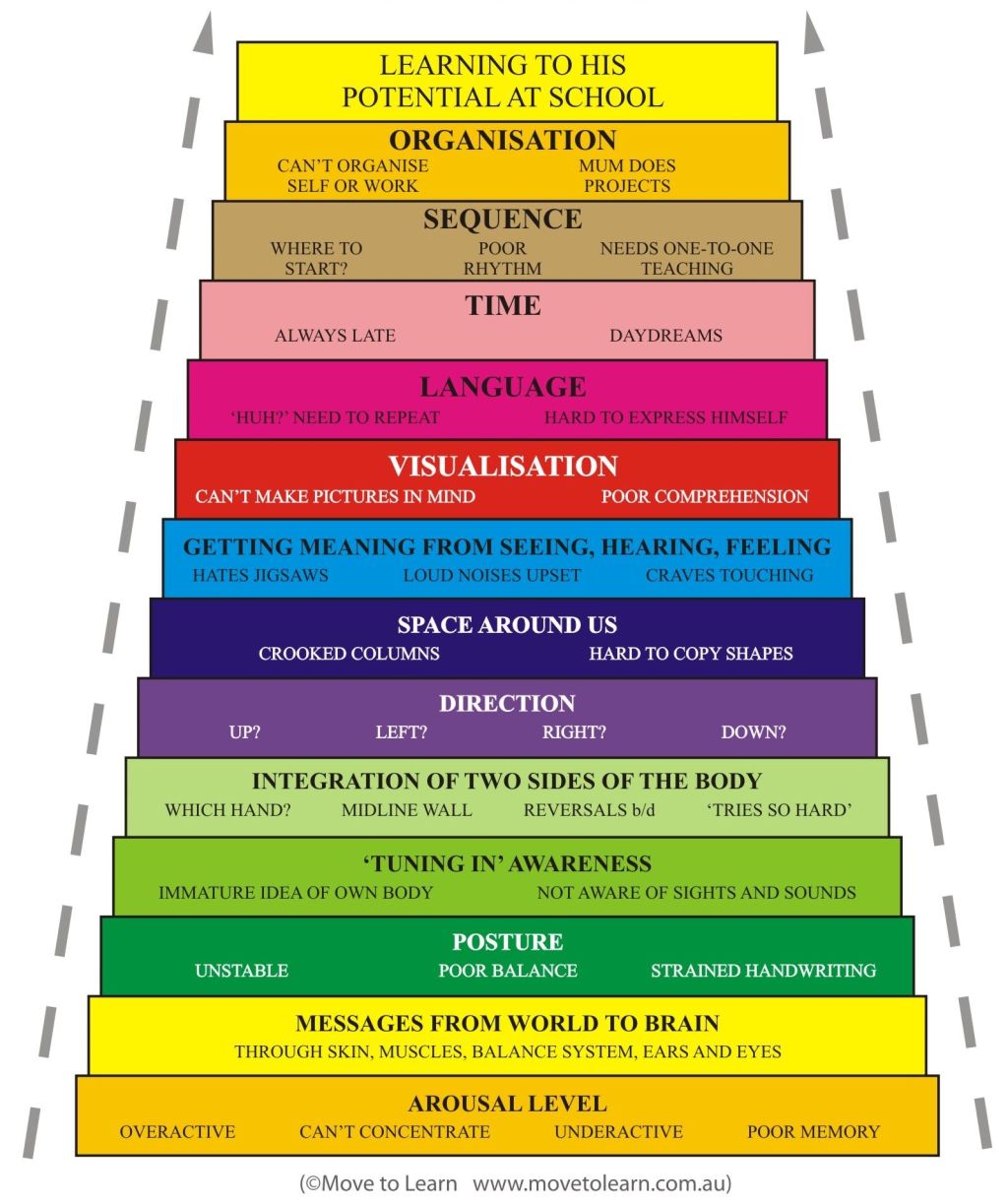
Cognitive development is a critical aspect of a child’s growth and learning process. It refers to the construction of thought processes, including remembering, problem-solving, decision-making, and understanding language. This development occurs gradually over time as children interact with their environment and learn from these experiences.
One key theorist in the field of cognitive development is Jean Piaget, who proposed a stage theory of cognitive development. According to Piaget, children progress through four stages: sensorimotor (0-2 years), preoperational (2-7 years), concrete operational (7-11 years), and formal operational (11+ years). Each stage is characterized by specific cognitive abilities and limitations that shape how children perceive and understand the world around them.
Another influential figure in the study of cognitive development is Lev Vygotsky, whose sociocultural theory emphasizes the role of social interaction in shaping cognitive abilities. Vygotsky believed that children learn best through interactions with more knowledgeable peers or adults who can provide guidance and support as they navigate new concepts or tasks. This concept highlights the importance of collaborative learning environments in fostering cognitive growth.
In recent years, there has been growing interest in alternative approaches to education that prioritize holistic development over traditional academic achievement. Alternative schooling methods such as Montessori education, Waldorf education, and Reggio Emilia approach learning through hands-on experiences, creative expression, and individualized instruction tailored to each child’s unique strengths and interests.
These alternative approaches often incorporate elements of play-based learning, where children are encouraged to explore their surroundings freely and engage in activities that stimulate their curiosity and imagination. Play has been shown to enhance cognitive development by allowing children to practice problem-solving skills, develop spatial reasoning abilities, improve memory retention, and enhance social-emotional skills through collaboration with peers.
Furthermore, alternative schooling environments typically place a strong emphasis on fostering emotional intelligence alongside intellectual growth. Educators recognize that emotional well-being plays a crucial role in shaping cognitive abilities; thus, they create supportive atmospheres where students feel safe to express themselves authentically while developing resilience and empathy towards others.
By prioritizing holistic development encompassing both cognitive and emotional aspects, alternative schooling approaches aim to nurture well-rounded individuals who are equipped not only with academic knowledge but also essential life skills such as critical thinking, creativity, communication skills – all vital for success in today’s rapidly changing world.
In conclusion,
cognitive development is a multifaceted process influenced by various factors such as genetic predispositions,
environmental stimuli,
and social interactions.
Alternative schooling methods offer innovative ways to support this developmental journey by providing enriching experiences that cater to each child’s unique needs
and foster a love for lifelong learning.
By embracing diverse educational philosophies rooted in holistic principles,
we can empower learners
to reach their full potential
and become active participants
in shaping their own futures
 Alternative Amie
Leave a comment