Online resources play a crucial role in alternative schooling and education, providing a wide range of materials and tools to support students’ learning outside traditional classroom settings. These resources can include educational websites, online courses, virtual libraries, interactive games, and video tutorials. They offer flexibility and accessibility for students who may not thrive in a traditional school environment or who require personalized instruction.
Co-op opportunities are another valuable aspect of alternative education, allowing students to collaborate with peers, work on group projects, and gain real-world experience in various fields. Co-ops provide hands-on learning experiences that complement academic studies and help students develop essential skills such as communication, teamwork, problem-solving, and leadership.
Dual enrollment options enable high school students to enroll in college courses for credit while still completing their secondary education. This allows students to get a head start on their college careers, explore different academic disciplines, and challenge themselves academically. Dual enrollment programs can also save time and money by reducing the number of credits needed to complete a degree.
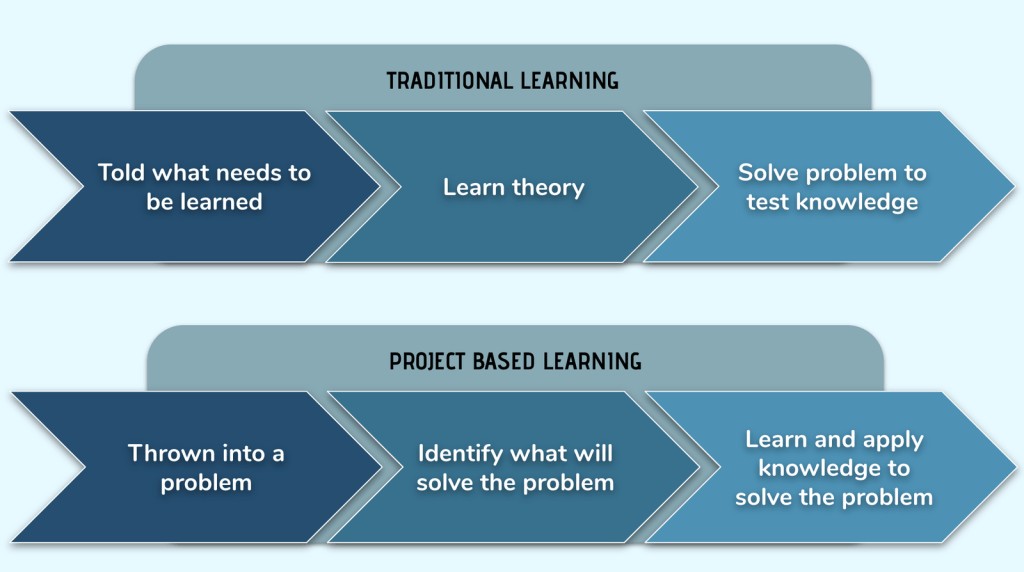
Project-based learning is an effective teaching method that emphasizes hands-on projects and activities to engage students in active learning. By working on meaningful projects related to real-world issues or topics of interest, students develop critical thinking skills, creativity, collaboration abilities, and problem-solving capabilities. Project-based learning encourages student autonomy and fosters a deeper understanding of the subject matter.
Field trips provide valuable opportunities for alternative learners to explore the world beyond the confines of a traditional classroom. Visiting museums, historical sites, nature reserves, science centers, or cultural institutions can enhance students’ understanding of different subjects while stimulating curiosity and fostering a love for lifelong learning. Field trips also offer socialization opportunities outside the home environment.
Socialization strategies are essential for homeschooling families seeking ways to connect with other families through co-ops,
clubs
curriculum choices tailored
to meet diverse needs.
Learning styles vary among individuals,
and it’s important
time management tips helps them prioritize tasks effectively
Assessment methods should be varied based on individual needs assessment methods such as portfolios
Technology integration enhances teaching
Special needs accommodations ensure all learners have access
Homeschooling laws regulations differ from state-to-state so it’s important Community support groups provide networking extracurricular activities like sports music arts Outdoor education promotes environmental stewardship College preparation includes SAT/ACT prep flexible scheduling allows customized Parent involvement key success Budget-friendly resources like free educational websites used effectively supporting alternate schooling paths
 Alternative Amie
Leave a comment