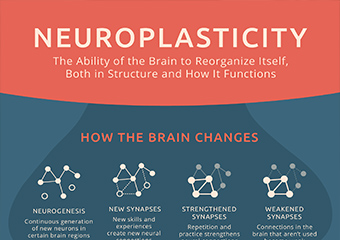
Neuroplasticity is a fascinating concept that has been increasingly recognized in the field of education, especially within alternative schooling systems. This idea refers to the brain’s ability to reorganize itself by forming new neural connections throughout life in response to learning and experiences. Alternative schools often leverage neuroplasticity by providing diverse and engaging learning opportunities that challenge students’ brains in different ways. By offering project-based learning experiences, where students tackle real-world problems and engage in hands-on activities, educators can stimulate neuroplasticity and enhance cognitive flexibility among learners.
Stress is a common factor that can impact brain function, particularly in non-traditional educational settings where students may face unique challenges or traumas. It is crucial for alternative schools to address stress effectively through brain-based strategies such as mindfulness practices. Mindfulness techniques help students regulate their emotions, reduce anxiety levels, and improve attention and focus – all of which are essential for optimal brain functioning in educational environments. By incorporating mindfulness into daily routines, educators can create a more conducive atmosphere for learning and support students’ overall well-being.
Physical activity plays a significant role in promoting optimal brain development among students attending alternative schools. Movement breaks, outdoor activities, or structured exercise programs not only improve physical health but also enhance cognitive functions such as memory retention, creativity, and problem-solving skills. By encouraging regular physical activity within the school day, educators can boost student engagement and academic performance while supporting healthy brain development.
Trauma-informed approaches are essential when addressing past experiences of adversity or trauma among students in alternative education settings. A brain-based approach acknowledges the impact of traumatic events on neurological development and focuses on creating safe environments that promote healing and resilience. Educators must be equipped with strategies that help regulate emotions, build trust with students, and foster a sense of belonging – all of which are fundamental aspects of addressing trauma through a neurobiological lens.
Incorporating music, arts, technology tools tailored to personalized learning experiences further enhances brain engagement within non-traditional educational settings like alternative schools. Leveraging these creative mediums stimulates various regions of the brain involved in emotion processing, memory formation, and cognitive skills development. By integrating technology tools that adapt to individual learning styles or utilizing artistic expressions as avenues for exploration and self-expression,
alternative schools can provide rich sensory experiences that support holistic brain development among their diverse student populations.
 Alternative Amie
Leave a comment