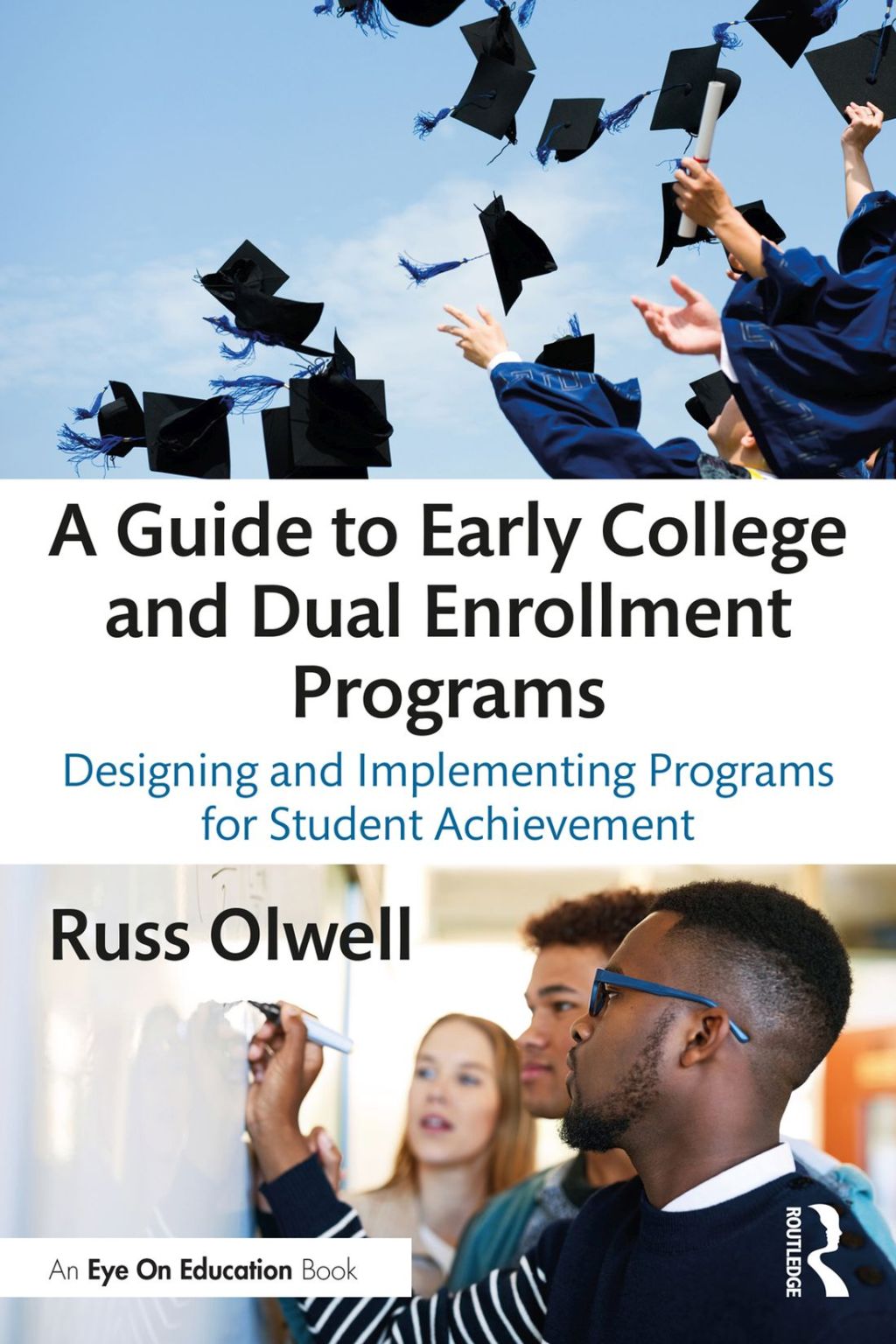
Dual enrollment programs have become increasingly popular in recent years as a way for high school students to get a head start on their college education. These programs allow students to take college-level courses while still in high school, earning both high school and college credit simultaneously. There are numerous benefits to participating in dual enrollment, making it an attractive option for motivated and academically driven students.
One of the key advantages of dual enrollment is the opportunity for students to experience a more rigorous academic curriculum than what may be available at their high school. By taking college courses, students can challenge themselves with advanced material and gain exposure to subjects that may not be offered in their traditional high school setting. This can help them better prepare for the demands of college-level work and potentially even earn credits that will transfer toward their future degree.
Dual enrollment also offers a cost-effective way for students to earn college credit. In many cases, these programs are offered at little to no cost to the student, saving families thousands of dollars in tuition expenses down the line. By completing some of their general education requirements early through dual enrollment, students can reduce the overall cost of their college education and potentially graduate sooner.
Compared to Advanced Placement (AP) classes, which also offer opportunities for earning college credit in high school, dual enrollment provides a more immersive and comprehensive learning experience. While AP classes culminate in a single exam at the end of the year, dual enrollment courses involve ongoing assessment and grading by college professors. This can give students a more accurate reflection of their understanding of the material and better prepare them for success in similar courses at the collegiate level.
Eligibility requirements for dual enrollment programs vary depending on the institution offering them. Typically, students must meet certain GPA requirements and demonstrate readiness for college-level work through standardized test scores or placement exams. Some programs may also require recommendations from teachers or counselors as part of the application process.
Speaking of applications, applying for dual enrollment is usually straightforward but does require careful attention to deadlines and paperwork. Students interested in participating should reach out to their guidance counselors or directly contact colleges or universities offering dual enrollment programs for specific application instructions.
Homeschool students can also take advantage of dual enrollment opportunities by providing documentation showing they meet eligibility criteria such as completing prerequisite coursework or achieving minimum test scores. Dual enrollment can be especially beneficial for homeschoolers looking to supplement their curriculum with specialized subjects or seeking additional academic challenges beyond what is available through independent study.
For high school athletes balancing rigorous training schedules with academics, dual enrollment offers flexibility that traditional classroom settings may not provide. Athletes can tailor their course loads around competition seasons or travel obligations while still progressing toward earning valuable college credits.
In terms of career readiness, participation in dual enrollment allows students to explore different fields before committing fully to a particular major or career path. By taking courses relevant to various industries or areas of interest, students can make more informed decisions about future educational pursuits or potential career choices.
For those interested in pursuing careers in STEM fields (Science, Technology,…
To read this article in full please visit our website!
 Alternative Amie
Leave a comment