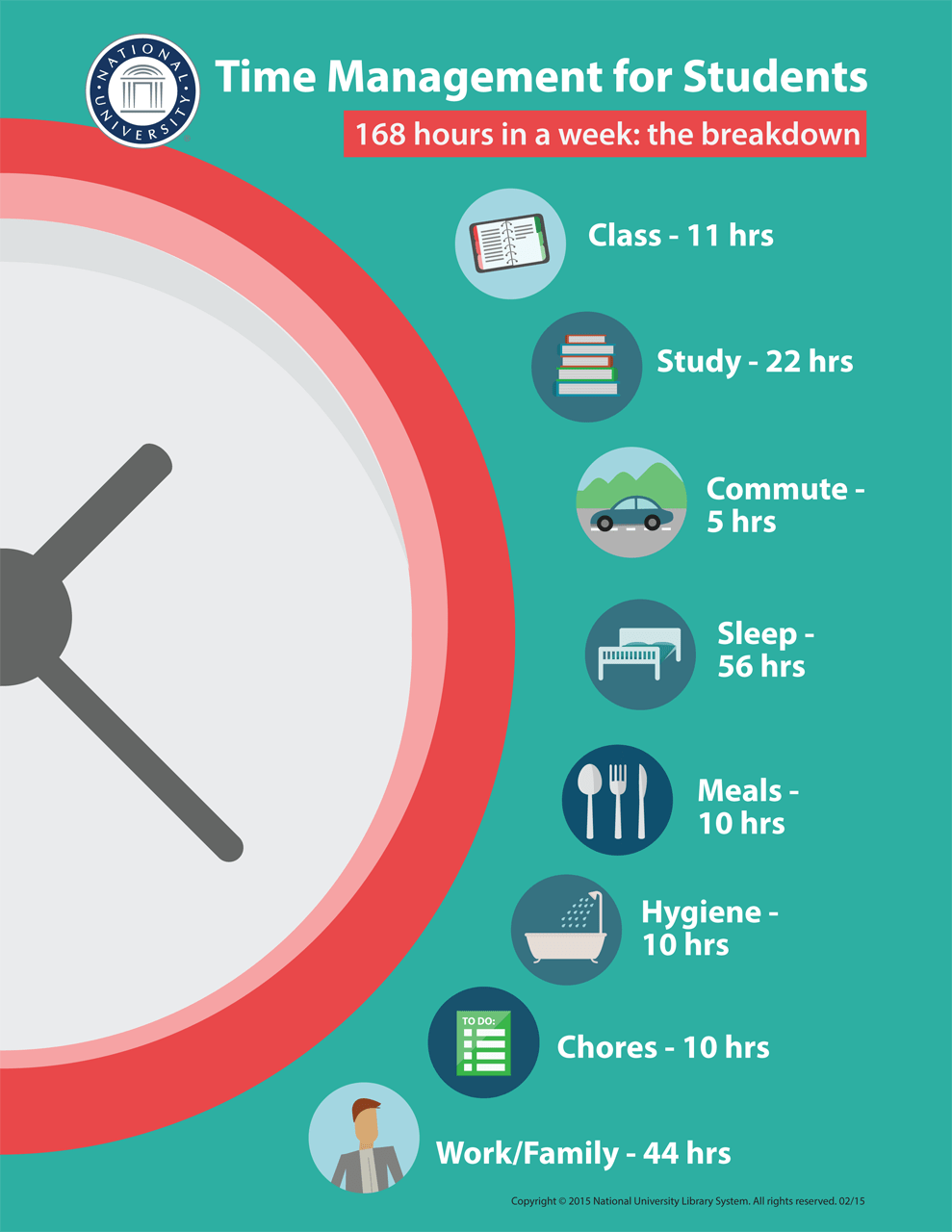
Time management is a crucial skill for students in alternative schooling and education. With the flexibility and independence that often comes with non-traditional educational paths, managing one’s time effectively becomes even more important to stay on top of assignments, projects, and personal responsibilities. Here are some commonly asked questions about time management skills for alternative schooling students:
Q: Why is time management important for students in alternative schooling?
A: Alternative schooling often offers more freedom and self-directed learning opportunities compared to traditional schools. This means that students have to take more responsibility for their own schedules and progress. Effective time management ensures that students can balance their academic work with other commitments, maintain a healthy work-life balance, and meet deadlines successfully.
Q: How can alternative schooling students improve their time management skills?
A: There are several strategies that can help alternative schooling students enhance their time management abilities:
1. Set clear goals: Define your short-term and long-term academic objectives to prioritize tasks effectively.
2. Create a schedule: Use tools like planners or digital calendars to map out your study sessions, classes, extracurricular activities, and personal time.
3. Prioritize tasks: Identify urgent assignments or those requiring more effort and tackle them first.
4. Avoid multitasking: Focus on one task at a time to maintain concentration and productivity.
5. Take breaks: Schedule regular breaks during study sessions to prevent burnout and improve overall focus.
6. Utilize technology: Explore apps or online tools designed for task organization, reminders, and productivity tracking.
Q: How can parents support their children in developing good time management skills?
A: Parents play a significant role in guiding their children towards effective time management practices:
1. Encourage open communication about schoolwork challenges.
2. Establish routines at home that promote consistency in studying habits.
3. Teach organizational skills such as setting priorities or breaking down tasks into smaller steps.
4. Provide access to resources like calendars or timers to assist with scheduling tasks.
Q: What are some common pitfalls when it comes to managing time effectively?
A: Students may encounter challenges such as procrastination, poor planning, lack of motivation, or failure to estimate the required time for tasks accurately when managing their schedules.
Q:. How can alternative education institutions incorporate lessons on time management into their curricula?
A:. Alternative education institutions can integrate lessons on time management through workshops,
seminars,and incorporating it as part of project-based learning activities where
students need to manage timelines independently.Also,schools could encourage peer-to-peer
mentoring programs where older students guide younger ones on effective
time-management techniques.
In conclusion,time-management skills are essential for success in any educational setting,but they become even more critical for students pursuingalternative pathways.Having strong timemanagement abilities not only enhancesacademic performance but also fostersresilience,self-discipline,and accountabilityamongst learners.It’s an ongoing processof self-assessmentand adjustmentthat will benefitstudents well beyondtheir educational journeyinto various aspects of life ahead
 Alternative Amie
Leave a comment