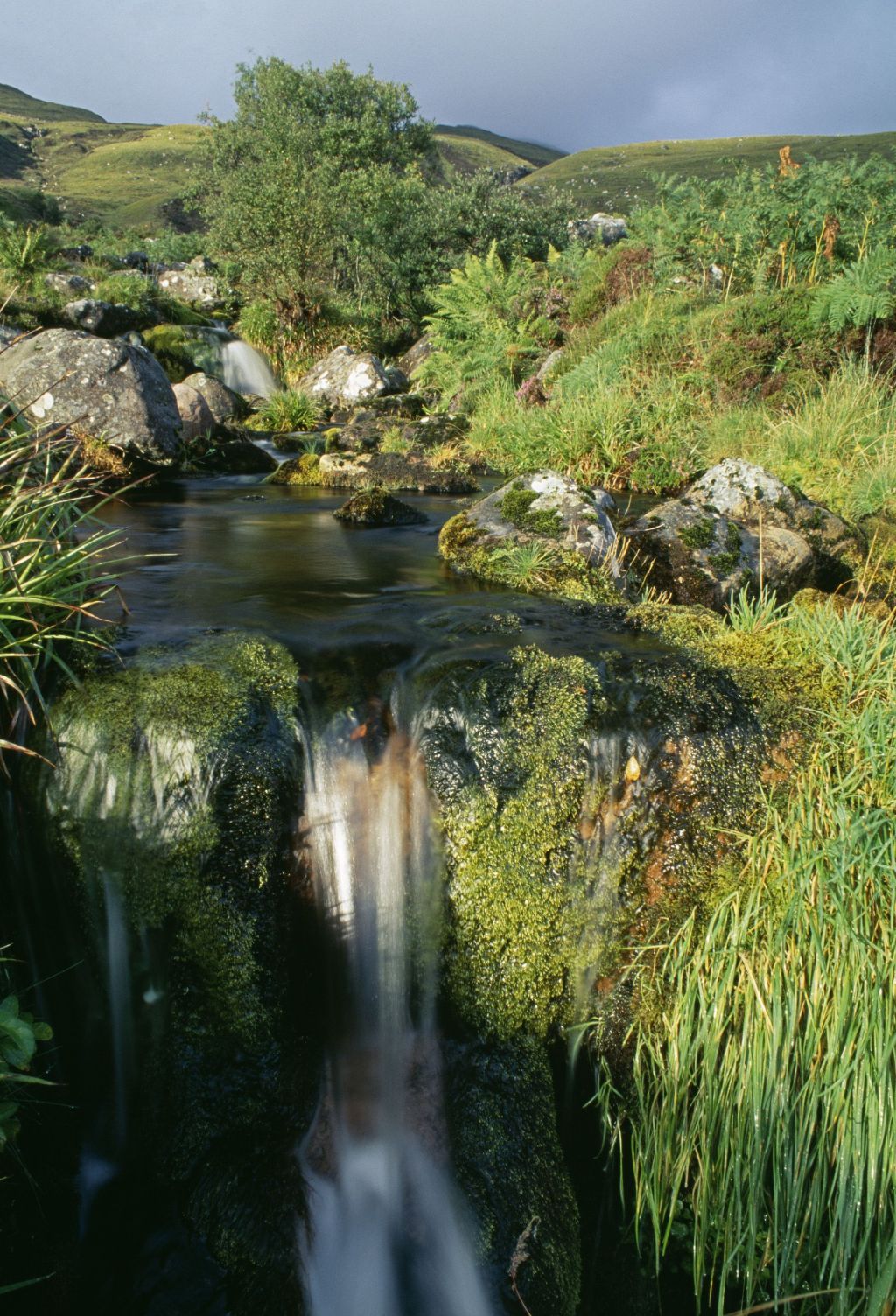
Rivers are fascinating natural wonders that have played a pivotal role in human history and continue to be crucial for our planet’s ecosystem. They are not only sources of water but also provide various benefits such as transportation, irrigation, and habitat for numerous species. In this article, we will explore the importance of rivers and how they can be incorporated into alternative schooling and education.
One key aspect of rivers is their role in shaping the landscape over millions of years. Rivers erode rocks, transport sediment, and create unique landforms such as valleys, canyons, and deltas. Studying these geological processes can provide students with a hands-on learning experience about the Earth’s dynamic surface.
Furthermore, rivers are home to diverse ecosystems that support a wide array of plant and animal species. From freshwater fish to aquatic plants, rivers sustain life in abundance. By teaching students about river ecology, educators can raise awareness about conservation efforts needed to protect these fragile habitats.
Incorporating rivers into alternative schooling can involve field trips to nearby waterways where students can observe firsthand the flora and fauna that depend on them. Activities like water quality testing, macroinvertebrate sampling, or bird watching can engage students in scientific exploration while fostering an appreciation for nature.
Moreover, studying rivers provides an opportunity to delve into topics such as hydrology, weather patterns, climate change impacts on water resources, and human interactions with rivers through activities like watershed modeling or historical research on river civilizations.
Another valuable aspect of incorporating rivers into education is understanding the cultural significance attached to these water bodies by indigenous communities around the world. Many indigenous cultures view rivers as sacred entities that hold spiritual importance. Learning about indigenous perspectives on rivers can promote cultural diversity awareness among students.
Additionally, exploring literature and art inspired by rivers can ignite creativity in students. Poems like “The River” by Langston Hughes or paintings depicting serene river landscapes by artists like Claude Monet offer a glimpse into how artists have been captivated by the beauty of flowing waters throughout history.
Practical skills can also be developed through river-related projects such as building model dams or designing sustainable riverbank restoration plans. These hands-on activities not only foster teamwork but also instill problem-solving skills essential for future environmental stewardship.
In conclusion,
rivers offer a wealth of educational opportunities that go beyond traditional classroom settings.
By integrating lessons about rivers into alternative schooling curricula,
educators
can inspire curiosity,
foster environmental consciousness,
and nurture a deep connection with nature among students.
Whether it’s through scientific exploration,
cultural studies,
or artistic expression,
the study of
rivers has the power to enrich
students’ learning experiences while promoting sustainability
and respect for our planet’s precious water resources.
So let’s embark on this educational journey down the winding path of
rivers together!
 Alternative Amie
Leave a comment