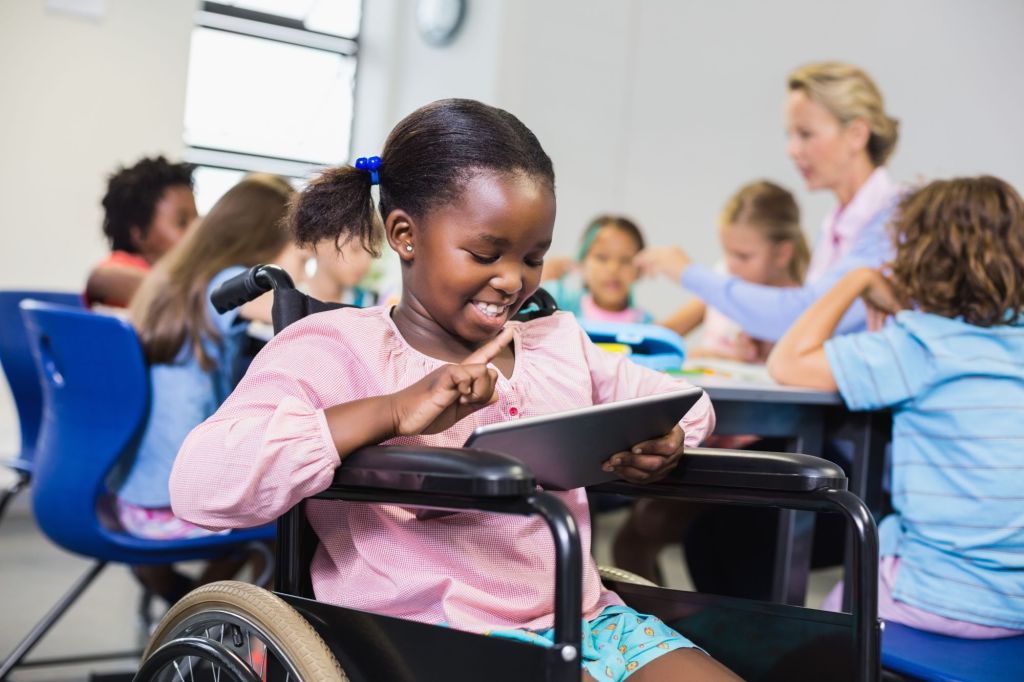
Peer mentoring is a valuable resource for students with learning disabilities, providing them with personalized support and guidance from peers who understand their unique challenges. Mentors can offer academic assistance, help with organization and time management skills, and provide emotional support to help mentees navigate the educational system effectively. By working one-on-one with a peer mentor, students with learning disabilities can build confidence, improve their self-advocacy skills, and develop strategies for success in school.
At-risk youth face various obstacles that can hinder their academic performance and personal development. Peer mentoring programs tailored to this population can offer a supportive environment where mentors serve as positive role models and provide encouragement to help mentees overcome challenges. These programs often focus on building resilience, developing coping mechanisms, setting goals, and making positive life choices. By fostering meaningful connections with peers who have faced similar struggles, at-risk youth can gain the confidence and skills needed to thrive.
Transitioning from traditional schooling to alternative education settings can be a daunting experience for many students. Peer mentoring programs designed for these individuals aim to ease this transition by providing guidance on navigating new environments, understanding different teaching methods, and adjusting to alternative schedules. Mentors in these programs may share their own experiences of transitioning from traditional schools to alternative settings while offering practical advice on managing coursework effectively.
Students in foster care often experience instability in their lives that can impact their education and well-being. Peer mentoring programs tailored to this population can provide consistent support from caring mentors who understand the unique challenges faced by those in foster care. Mentors may assist mentees in setting education goals, accessing resources such as tutoring or counseling services, and building essential life skills for independence. By establishing trusting relationships with peer mentors, students in foster care can receive the encouragement they need to succeed academically and beyond.
LGBTQ+ students may encounter discrimination or lack of understanding within educational settings that can affect their mental health and academic performance. Peer mentoring programs focused on supporting LGBTQ+ youth create safe spaces where mentors provide empathy, acceptance, and guidance on issues related to sexual orientation or gender identity. Mentors may also advocate for inclusivity within schools or communities while helping mentees build resilience against prejudice or bullying they may face.
Students dealing with mental health challenges require specialized support systems that address both their academic needs as well as their emotional well-being. Peer mentoring programs catering to this demographic pair individuals facing similar struggles together so they can offer mutual support through shared experiences. Mentors might assist mentees in accessing mental health services, developing coping strategies during stressful times like exams or deadlines, promoting self-care practices that enhance overall wellness.
Juvenile detention centers house young individuals who have encountered legal troubles requiring institutionalization rather than standard schooling environments; however these youths still deserve opportunities for growth even during detainment periods.. Peer mentoring initiatives within juvenile detention facilities empower detained youth by connecting them with older peers who serve as positive influences offering guidance towards rehabilitation efforts – focusing not only on academics but also promoting social skills development essential upon release back into society.
Adult learners enrolled in alternative education programs benefit significantly from peer mentorship opportunities designed specifically for them; adult learners bring diverse backgrounds career aspirations which are addressed through customized programming catered towards individualized needs including balancing work-life responsibilities pursuing further studies advancing professional skillsets more confidently guided by experienced peers sharing relatable stories successful paths taken before them
Immigrant refugee students often face language barriers cultural adjustments when entering unfamiliar educational systems; peer mentorship provides valuable resources connections aiding acclimation process easing transitional difficulties supposed isolation oftentimes experienced newcomers welcoming inclusive environments promote cross-cultural exchanges mutual learning outcomes enhancing overall educational experiences all parties involved
Homelessness poses significant challenges impacting student’s ability maintain stability focus academics; peer mentorship offers vital lifeline connecting homeless youths caring guides providing emotional support practical assistance securing basic needs such shelter food clothing while also addressing educational goals motivation sustaining ambitions despite adversities faced daily basis restoring sense hope brighter future achievable through collaborative efforts shared determination persistence perseverance
Chronic illnesses disabilities present ongoing obstacles hindering student’s full participation educational activities; specialized peer mentorship focuses empowering individuals managing health conditions fostering adaptive strategies creating supportive network understands specific needs provides accommodations necessary ensure success classroom outside environments cultivating resilience determination achieve despite physical limitations imposed medical circumstances faced regularly
Rural communities often suffer limited access resources opportunities compared urban counterparts posing additional hardships students residing remote areas seeking quality education; peer mentorship serves bridge gap connecting rural learners broader networks knowledge experiences encouraging growth exploration expanding horizons beyond immediate surroundings opening doors possibilities previously unattainable due geographical constraints fostering sense belonging community empowerment amidst challenging circumstances prevalent countryside regions
First-generation college-bound students encounter unique set challenges navigating unfamiliar higher education landscape without familial guidance previous exposure post-secondary pathways; targeted peer mentorship initiatives catered towards first-gen scholars aim demystify collegiate processes alleviate uncertainties fears associated venturing uncharted territories academia imparting wisdom insights gained firsthand experiences graduated peers paving way success future generations breaking cycles generational poverty advancing prospects socio-economic mobility attainment dreams once deemed unattainable
 Alternative Amie
Leave a comment