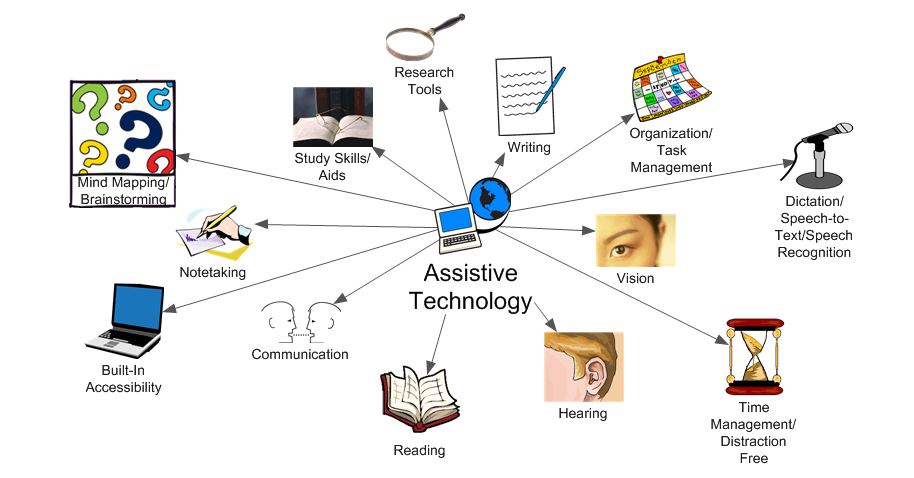
In the realm of education, there is a growing recognition of the importance of adapting teaching methods and tools to cater to diverse learning needs. One area where significant progress has been made is in the development and implementation of adaptive technology tools. These tools are designed to support students with various learning challenges, including those with disabilities or different learning styles.
One such tool that has gained popularity in recent years is text-to-speech software. This technology enables students who struggle with reading or have visual impairments to listen to written content being read aloud. By providing this auditory support, text-to-speech software can help enhance comprehension and retention for these students, ultimately leveling the playing field in terms of accessing educational materials.
On the flip side, speech-to-text software offers a valuable solution for students who may have difficulty expressing themselves through writing due to physical limitations or learning differences. By allowing them to dictate their thoughts instead, this tool empowers students to communicate more effectively and independently in various academic tasks such as writing essays or taking notes.
Another noteworthy adaptive technology tool is mind-mapping software. This tool is particularly beneficial for visual learners and individuals who thrive on organizing information spatially. Mind-mapping software allows users to create diagrams that represent concepts and ideas visually, making it easier for them to connect information and grasp complex topics more effectively.
For students with attention difficulties or executive functioning challenges, time management apps can be a game-changer. These apps help users track assignments, set reminders, prioritize tasks, and manage their schedules efficiently. By breaking down larger goals into smaller actionable steps, time management apps promote accountability and foster better organizational skills among students.
Moreover, assistive technologies such as screen readers, magnification tools, calculators with advanced functions for mathematical problem-solving can significantly benefit students with specific needs by providing them with necessary support tailored to their individual requirements.
In conclusion, adaptive technology tools play a vital role in creating an inclusive educational environment where every student has access to resources that meet their unique needs. By embracing these innovative solutions in classrooms worldwide, we move one step closer towards ensuring equitable opportunities for all learners regardless of their challenges or differences.
 Alternative Amie
Leave a comment