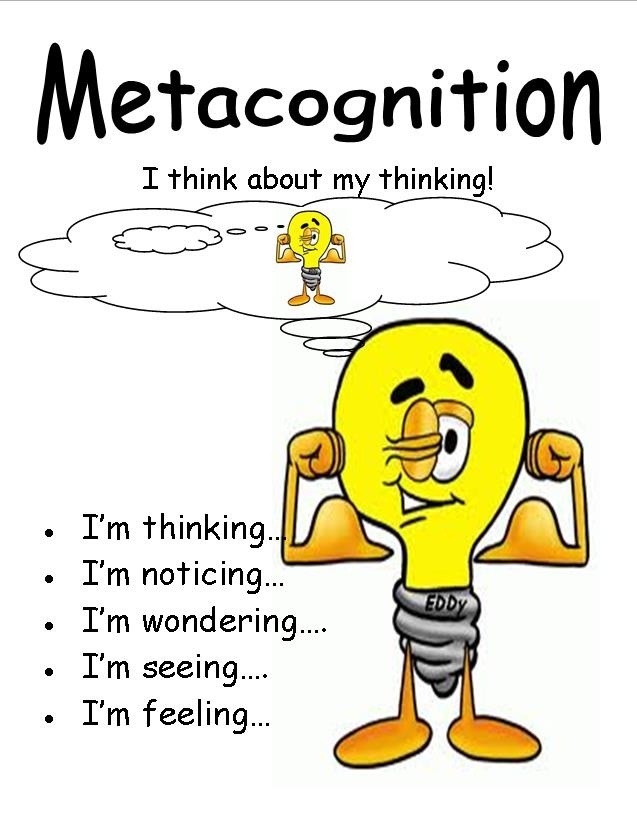
Metacognition is a term that encompasses the awareness and understanding of one’s own thought processes. It involves thinking about one’s thinking, which can lead to improved learning outcomes and problem-solving skills. In the realm of education, metacognition strategies play a crucial role in helping students become more effective learners by teaching them how to monitor, control, and adjust their cognitive processes.
One of the key aspects of metacognition is metacognitive knowledge, which refers to what individuals know about their own cognitive processes and factors that influence their learning. This includes understanding how they learn best, recognizing their strengths and weaknesses as learners, being aware of different strategies for learning or problem-solving, as well as knowing when and where to use these strategies.
Metacognitive regulation is another important component of metacognition. This aspect involves planning activities, monitoring one’s comprehension during tasks or activities, evaluating progress towards goals, and making adjustments as needed. By actively engaging in these regulatory processes, students can take control of their own learning experiences and become more independent learners.
There are several strategies that educators can employ to help students develop their metacognitive skills:
1. **Reflective Journals**: Encouraging students to keep reflective journals where they document their thoughts before, during, and after completing assignments or tasks can help them gain insight into their thought processes. Through reflection on past experiences, students can identify patterns in their thinking and behavior that may be hindering or facilitating their learning.
2. **Think-Alouds**: Think-alouds involve verbalizing one’s thoughts while working through a problem or task. By talking through their reasoning process out loud, students are forced to make explicit the steps they are taking to solve a problem. This practice helps make invisible cognitive processes visible and allows teachers to provide feedback on students’ reasoning strategies.
3. **Concept Mapping**: Concept mapping is a visual tool that helps organize information hierarchically based on relationships between concepts. Creating concept maps requires students to think critically about how different pieces of information relate to each other and helps them see the “big picture” when studying complex topics.
4. **Goal Setting**: Encouraging students to set specific short-term and long-term goals for themselves provides direction for their learning journey. By setting clear objectives with measurable outcomes, students have a target towards which they can work while also developing an awareness of what success looks like.
5. **Self-Questioning**: Teaching students how to ask themselves questions before, during, and after reading or studying material enhances comprehension by activating prior knowledge and promoting deeper engagement with the content.
6. **Peer Collaboration**: Collaborative learning environments offer opportunities for peer discussion where students can share ideas about how they approach problems or tasks differently from one another. Peer collaboration not only exposes individuals to diverse perspectives but also encourages them to reflect on why certain approaches may be more effective than others.
7**Feedback Loops**: Providing timely feedback on student work allows learners to reflect on areas where improvement is needed while also reinforcing successful strategies employed during tasks or assignments.
By incorporating these metacognitive strategies into classroom practices regularly educators provide meaningful opportunities for fostering self-regulated learners who actively engage in monitoring understanding adapting approaches as necessary optimizing academic performance across subjects grade levels.
 Alternative Amie
Leave a comment