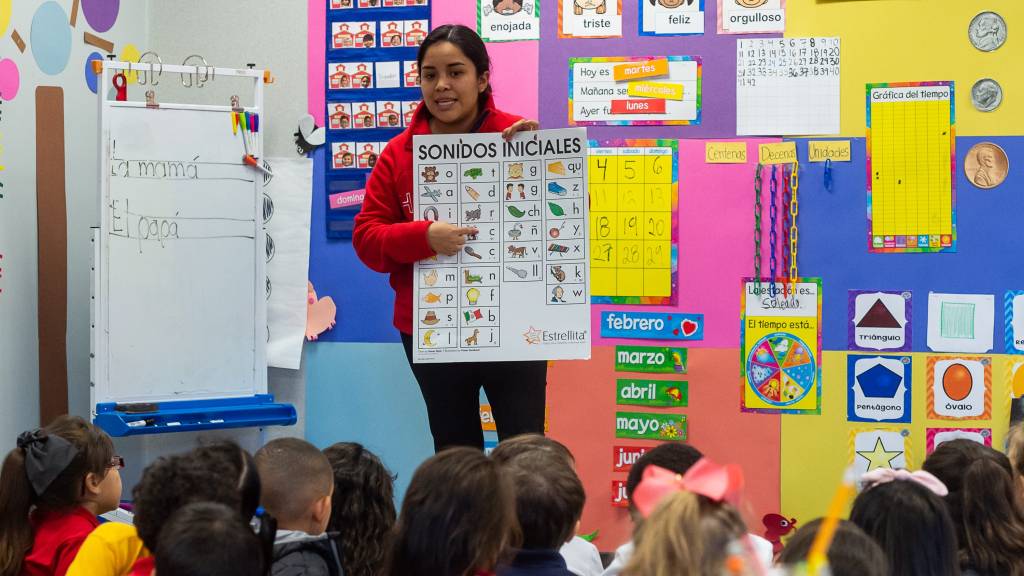
Language immersion programs have long been a popular and effective way for individuals to learn a new language. These programs offer students the opportunity to fully immerse themselves in a different language and culture, allowing for rapid acquisition and proficiency in the target language. The concept of language immersion dates back several decades, with early programs emerging in countries such as Canada and Switzerland.
One of the key features of language immersion programs is their focus on real-world communication. Rather than relying solely on textbooks and traditional classroom instruction, participants are encouraged to use the target language in everyday interactions. This approach helps learners develop their speaking, listening, reading, and writing skills in a naturalistic setting.
In addition to improving language proficiency, immersion programs also provide valuable cultural insights. By living among native speakers and engaging with local customs and traditions, participants gain a deeper understanding of the cultural nuances that shape the language they are learning. This cultural immersion can be particularly beneficial for individuals looking to work or study in a foreign country.
Language immersion programs come in various forms, from short-term intensive courses to semester-long exchanges or even year-long residencies abroad. Some programs cater to high school students seeking to enhance their language skills during summer break, while others are designed for college students looking to fulfill academic requirements through overseas study.
Many universities offer semester or year-long exchange programs that allow students to earn college credit while immersing themselves in a new culture and mastering a foreign language. These immersive experiences not only help students progress academically but also provide them with valuable life skills such as adaptability, independence, and intercultural competence.
For working professionals looking to enhance their career prospects or expand their global network, there are also specialized language immersion programs tailored to meet specific professional goals. These programs often include industry-specific vocabulary training and networking opportunities with professionals from around the world.
In recent years, online language immersion programs have gained popularity as technology has advanced. Virtual platforms now offer immersive experiences through virtual reality simulations, live video chats with native speakers, interactive exercises, and multimedia resources that simulate real-life scenarios.
Despite the numerous benefits of language immersion programs, they do come with challenges. Immersion can be overwhelming for some learners initially as they navigate unfamiliar linguistic territory without the safety net of their native tongue. However, this discomfort tends to diminish over time as participants become more accustomed to using the target language in various contexts.
Moreover, not all immersion experiences are created equal; some may lack sufficient structure or support systems for learners who struggle with adapting to a new linguistic environment. It’s essential for program organizers to provide adequate guidance and resources for participants so they can make the most out of their immersive experience.
Overall though when done effectively Language Immersion Programs can significantly accelerate one’s ability not just speak but understand another Language at an accelerated rate compared traditional methods like classrooms.
 Alternative Amie
Leave a comment