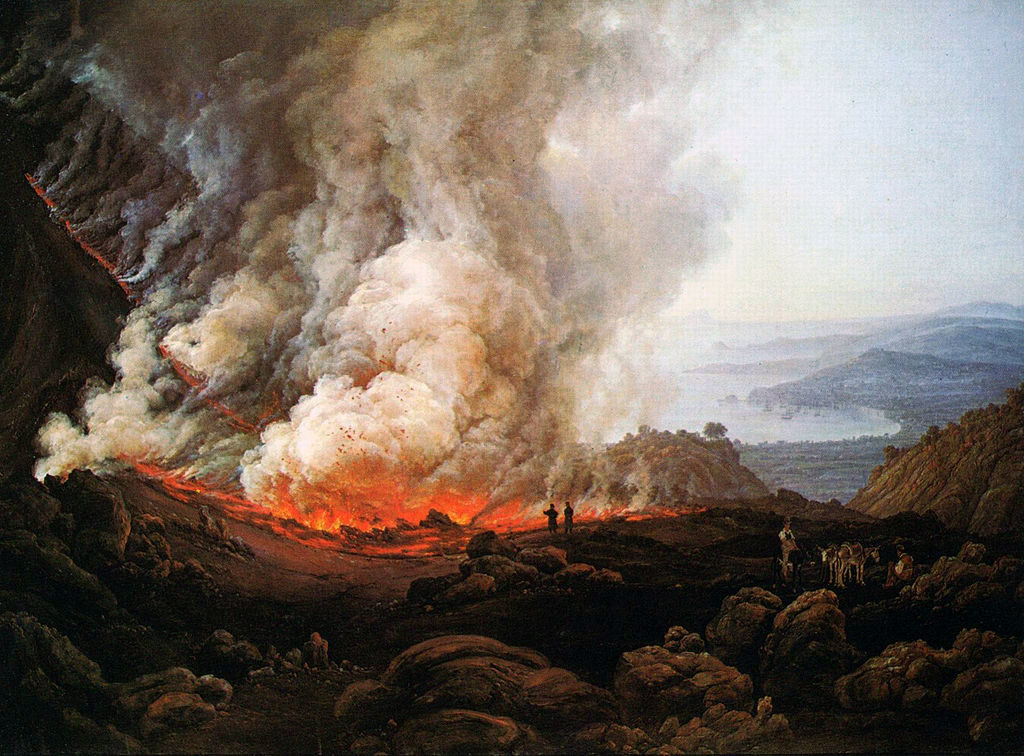
Volcanoes have long captured the imagination of people around the world. From their majestic yet volatile presence to their ability to shape landscapes, volcanoes are a fascinating force of nature that provides endless opportunities for education and exploration.
For students interested in alternative schooling and education, studying volcanoes can offer a unique and interdisciplinary learning experience. By delving into the science, history, geography, and cultural significance of these powerful natural phenomena, students can gain valuable insights into various subjects while also developing important skills such as critical thinking, problem-solving, and communication.
One of the most compelling aspects of studying volcanoes is their role in shaping the Earth’s geology. Volcanic eruptions not only create new landforms but also influence ecosystems and weather patterns. By learning about different types of volcanoes – from shield volcanoes like Hawaii’s Mauna Loa to stratovolcanoes like Mount Fuji in Japan – students can better understand how geological processes work and how they impact our planet.
Studying volcanoes also provides an opportunity to explore the science behind volcanic activity. Students can learn about the causes of volcanic eruptions, including plate tectonics, magma formation, and volcanic gases. They can also study monitoring techniques used by scientists to predict eruptions and mitigate risks for communities living near active volcanoes.
In addition to scientific knowledge, studying volcanoes offers insights into history and culture. Many ancient civilizations revered or feared volcanoes as symbols of divine power or destruction. For example, the Minoan civilization on Santorini island was devastated by a massive eruption around 1600 BC. By examining historical accounts and archaeological evidence related to volcanic events, students can gain a deeper appreciation for how humans have interacted with these natural wonders throughout history.
Furthermore, studying volcanoes opens up opportunities for exploring different cultures around the world. From Indonesia’s Ring of Fire to Iceland’s fiery landscapes, each region has its own unique relationship with volcanoes shaped by geography, climate, and cultural beliefs. By studying these diverse perspectives on volcanic activity, students can develop a greater understanding of global interconnectedness and environmental stewardship.
Engaging with volcanoes in an educational setting can take many forms beyond traditional classroom lectures or textbooks. Field trips to volcanic sites provide hands-on learning experiences where students can observe geological features firsthand and interact with local experts such as geologists or park rangers. Virtual reality simulations or interactive models allow students to visualize complex concepts like magma chambers or pyroclastic flows in immersive ways.
Students interested in pursuing careers related to geology, environmental science,
natural hazards management may find that studying
volcanism serves as excellent preparation for future academic pursuits.
Moreover,
the study
of
volcanic activity offers numerous opportunities for research projects at both high school
and university levels,
ranging from conducting experiments
to analyzing data collected from remote sensing technologies.
By immersing themselves
in this dynamic field
students
can hone their analytical skills
and contribute meaningful contributions towards understanding
and mitigating volcanic hazards.
The study
of volcanoesisn’t just limitedto those considering STEM fields;
it alsopresents avenuesfor creative expression through art,music,literature,and film.
Manyartists have beeninspiredbythe raw beautyand destructivepowerofvolcanic landscapes,
capturingthemsevocativelythrough various mediums.
Studyingtheseartistic representationsoffersstudentsanotherdimensionfrom whichto appreciatevolcanoesthrough adifferent lens
In conclusion,
studyingvolcanoescanbe an enrichingandeffective wayfor studentsto engagewith multiple disciplineswhile fostering acuriosityabouttheworkaround them.Bydelvingintothesecompellingnaturalphenomena.studentscangainavarietyofskillsandsensesupportivelearningexperienceswhilerewardingtheirpassionfor discoveryandinquiry.Volcanoesserveasawe-inspiringreminderoffthewondersandchallengesofourever-changingplanet,andbyembracingthissubjectmatterstudentscanfosteradeeperconnectiontonatureandsowtheseedsofabetterunderstandingofsustainabilityandothersocialissues.Throughalternativeapproacheseducationthatincorporatesstudyingsuchdynamicforcesoftnaturewehaveachancetoinstillavaluablelessonsinresilience,collaboration,andadaptability.forequippingouryouthwithessentialtoolstothriveinatimeoffast-pacedchangeandalternativeeducationalsettingsthatprioritizeexplorationandexperimentationareideallysuitedtobringoutthebestinourfuturegenerationsaswecontinuetolearnfromthenaturalworldaroundus
 Alternative Amie
Leave a comment