Reflective practices in group work are like the kale smoothie of education – everyone talks about how great they are, but let’s be real, not all of us enjoy them. In the world of alternative schooling and education, where creativity and collaboration reign supreme, reflective practices in group work are often seen as a necessary evil to ensure that students are learning from their experiences and improving their skills. But do they really make a difference or are they just another box to check off on the lesson plan?
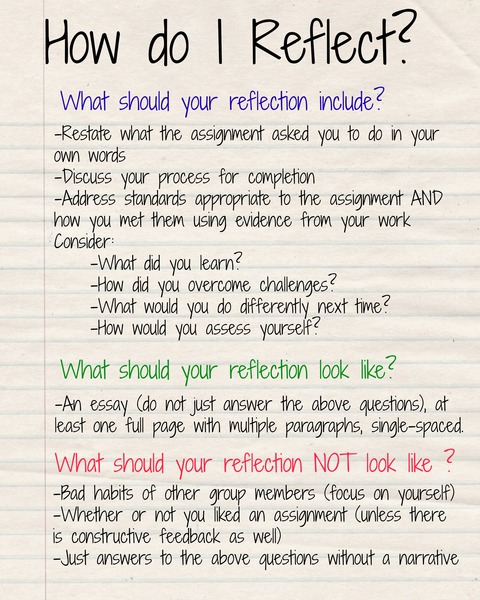
Let’s start by defining what reflective practices in group work actually entail. Essentially, it involves taking time after completing a group project or activity to reflect on what went well, what could have been improved, and what lessons were learned from the experience. This can take many forms, such as group discussions, written reflections, peer evaluations, or even creative projects that capture the essence of the learning process.
Proponents of reflective practices argue that they help students develop critical thinking skills, enhance self-awareness, and improve communication and collaboration within groups. By encouraging students to think deeply about their experiences and articulate their thoughts to others, reflective practices can lead to greater understanding and growth. It also provides an opportunity for students to receive feedback from peers and teachers, allowing them to identify areas for improvement and set goals for future projects.
However, critics of reflective practices may argue that they can feel forced or artificial if not implemented thoughtfully. Students may go through the motions without truly engaging with the material or reflecting meaningfully on their experiences. In some cases, it can also create unnecessary stress or conflict within groups if feedback is not delivered constructively or if there is a lack of trust among members.
That being said, when done right – with clear guidance from teachers or facilitators and a supportive environment for open dialogue – reflective practices in group work can be incredibly beneficial for student learning. They encourage metacognition (thinking about one’s own thinking), which is a crucial skill for lifelong learning and personal development. Additionally, by fostering a culture of reflection within classrooms or educational settings, we promote continuous improvement and innovation among students.
In conclusion,
reflective practices in group work may not always be everyone’s cup of tea (or kale smoothie), but when approached with intentionality
and care,
they have the potential
to transform student
learning experiences.
So next time you find yourself rolling your eyes at yet another post-group project debrief session,
consider giving it your full attention –
you might just uncover some valuable insights along the way!
 Alternative Amie
Leave a comment