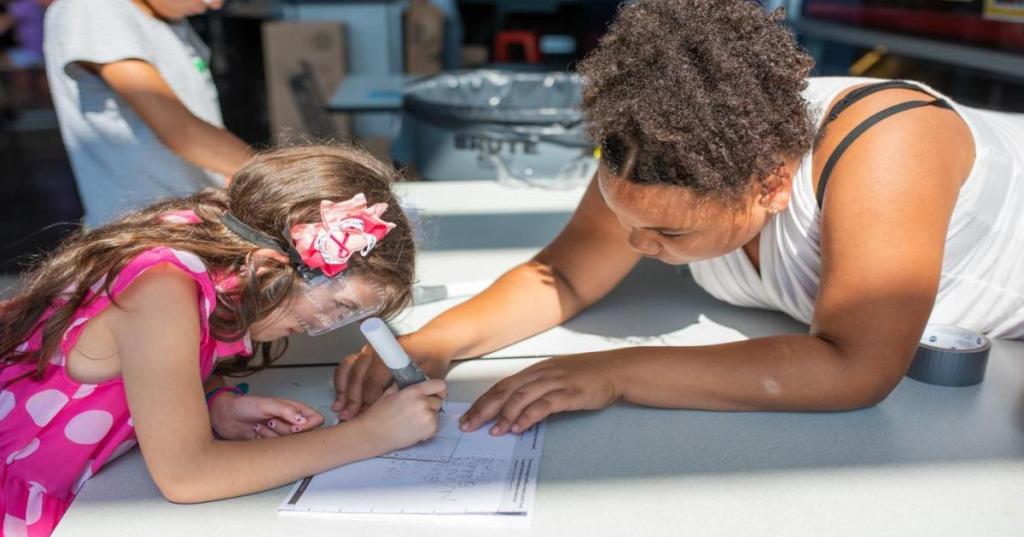
Experiential learning is a method of education that emphasizes hands-on, real-world experiences as a central part of the learning process. Dating back to ancient times, experiential learning has been used by philosophers, educators, and leaders to help individuals gain practical knowledge and skills through direct engagement with the world around them.
One of the earliest proponents of experiential learning was Aristotle, who believed that knowledge is acquired through experience and observation. This idea laid the foundation for future educational practices that prioritize active participation and reflection in the learning process.
In more recent history, pioneers such as John Dewey and Maria Montessori have further developed the concept of experiential learning within modern educational frameworks. Dewey emphasized the importance of hands-on experiences in shaping students’ understanding of concepts, while Montessori advocated for self-directed exploration and discovery as key components of effective learning.
Today, alternative schools and education programs often incorporate experiential learning into their curricula to provide students with opportunities to apply theoretical knowledge in practical settings. This approach not only enhances retention and understanding but also fosters critical thinking skills, problem-solving abilities, and emotional intelligence.
Experiential learning can take many forms, including internships, community service projects, field trips, simulations, outdoor activities, and collaborative group work. By engaging students in these immersive experiences, educators can create rich environments for personal growth and development while preparing them for success in an ever-changing world.
In conclusion,
experiential learning offers a dynamic approach to education that goes beyond traditional classroom instruction. By integrating real-world experiences into the curriculum,
students are able to develop a deeper understanding of concepts,
build valuable skills,
and cultivate a lifelong love for
learning.
As we continue to explore new ways of educating future generations,
it’s clear that experiential
learning will remain a cornerstone
of innovative pedagogical practices.
 Alternative Amie
Leave a comment