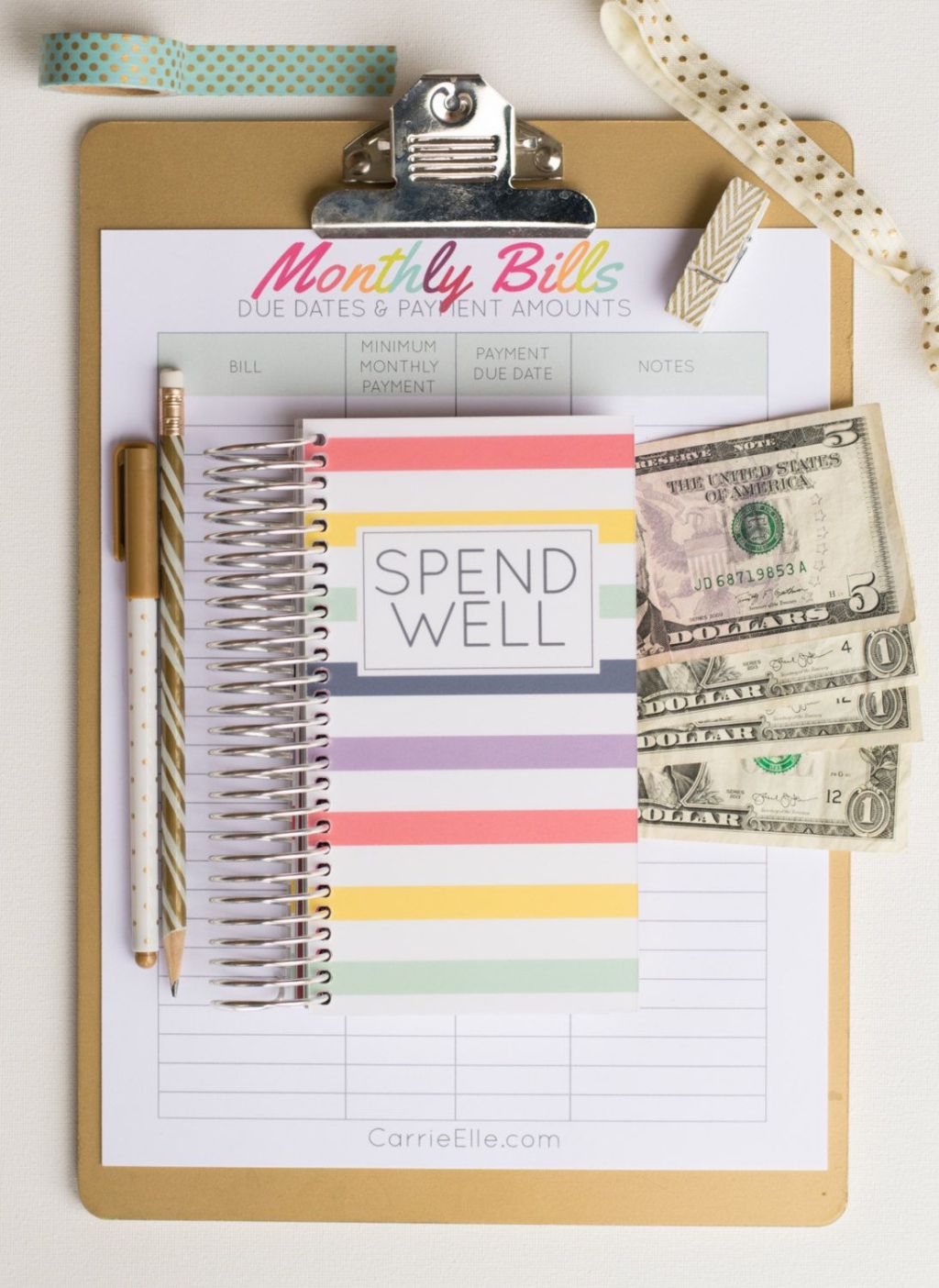
Budgeting is an essential skill that everyone should learn, regardless of their age or financial situation. It involves creating a plan for how you will spend your money based on your income and expenses, with the goal of achieving financial stability and reaching your financial goals. In this roundup post, we will explore the importance of budgeting, different budgeting methods, tips for effective budgeting, and resources to help you improve your budgeting skills.
Importance of Budgeting:
Budgeting is crucial for several reasons. It helps individuals track their spending habits, avoid debt or overspending, save money for emergencies or future goals, and achieve financial independence. By having a clear understanding of where your money goes each month, you can make informed decisions about how to allocate funds towards essential expenses like rent, groceries, and utilities while also setting aside savings for long-term goals such as buying a house or retiring comfortably.
Different Budgeting Methods:
There are various approaches to budgeting that cater to different preferences and lifestyles:
1. Zero-based budgeting: This method requires assigning every dollar earned a specific purpose so that income minus expenses equals zero at the end of each month.
2. The 50/30/20 rule: With this approach, 50% of your income goes towards needs (like housing and food), 30% towards wants (entertainment and dining out), and 20% towards savings or debt repayment.
3. Envelope system: Cash envelopes are labeled with different spending categories (e.g., groceries, entertainment) to limit spending within each category.
4. Automated budget apps: Utilize technology by using apps like Mint or YNAB (You Need A Budget) to track spending automatically and provide insights into financial habits.
Tips for Effective Budgeting:
To successfully manage your finances through budgeting:
1. Track all expenses: Keep records of everything you spend money on – big or small – to identify areas where you can cut back.
2. Set realistic goals: Establish short-term and long-term financial objectives that align with your values and priorities.
3. Review regularly: Monitor your progress by evaluating monthly budgets against actual expenditures; adjust as needed.
4. Emergency fund: Save enough money equivalent to three-six months’ worth of living expenses in case unexpected costs arise.
5. Seek support: Discuss finances openly with family members or seek advice from financial professionals if needed.
Resources for Improving Budget Skills:
For those looking to enhance their budget management skills further:
1. Free online courses such as “Personal Finance” on Coursera or “Managing Your Money” on Udemy offer comprehensive lessons on budget planning strategies.
2 Financial literacy books like “The Total Money Makeover” by Dave Ramsey provide practical tips on eliminating debt and building wealth through proper budget allocation techniques.
3 Podcasts like “The Dave Ramsey Show” feature episodes discussing personal finance topics including saving strategies through disciplined budget practices.
In conclusion,…
Budgeting is a fundamental aspect of personal finance that empowers individuals to take control over their monetary well-being actively…Through adopting suitable methods,…and leveraging available resources,…everyone can cultivate healthy financial habits…
 Alternative Amie
Leave a comment