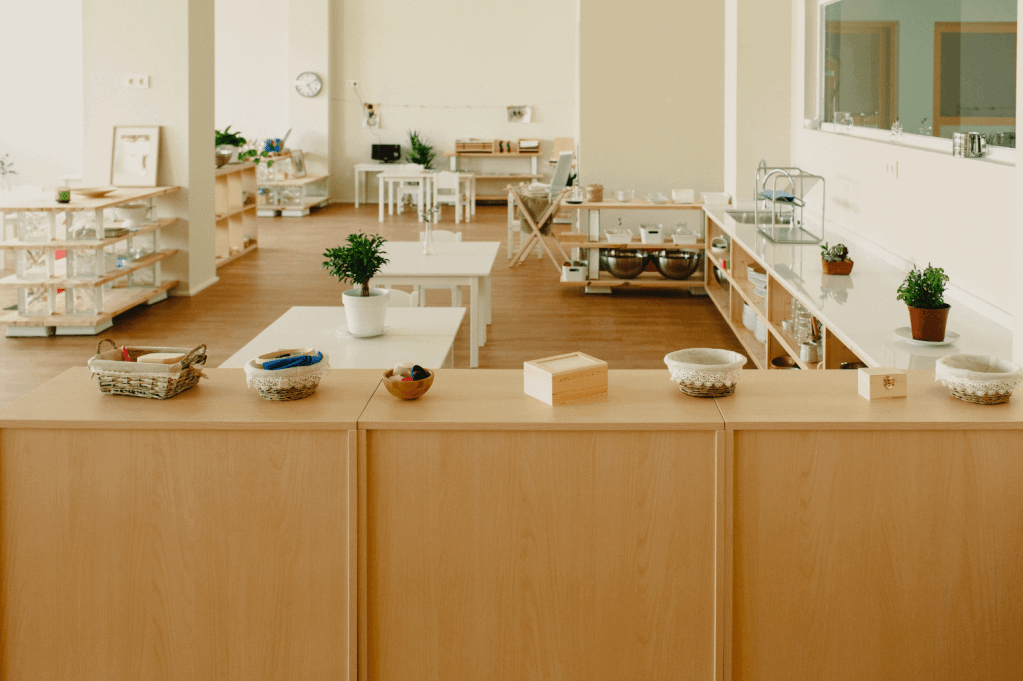
The Montessori method is a unique educational approach that emphasizes independence, freedom within limits, and a hands-on learning experience for children. Developed by Dr. Maria Montessori in the early 20th century, this approach has gained popularity worldwide for its focus on allowing children to learn at their own pace and according to their individual interests.
One of the key principles of the Montessori method is the belief that children are naturally curious and eager to learn about the world around them. In a Montessori classroom, teachers act as guides rather than lecturers, encouraging students to explore and discover concepts through hands-on activities and materials.
The environment plays a crucial role in the Montessori method, with classrooms designed to be child-centered and inviting. Furniture is child-sized, materials are easily accessible, and there is a focus on creating a peaceful atmosphere conducive to learning.
Another hallmark of the Montessori approach is the use of specially designed educational materials that help children develop specific skills and concepts. These materials are often self-correcting, meaning that children can learn from their mistakes independently without constant intervention from teachers.
Montessori classrooms typically have mixed-age groups, allowing younger children to learn from older peers and vice versa. This setup promotes collaboration, empathy, and social skills among students while also fostering a sense of community within the classroom.
Freedom within limits is another important aspect of the Montessori method. While children have autonomy over their learning choices and pace, there are clear boundaries set by teachers to ensure safety and respect for others. This balance between freedom and structure helps children develop self-discipline and responsibility.
Dr. Maria Montessori believed in educating the whole child – not just academically but also emotionally, socially, and physically. As such, Montessori schools often incorporate activities such as gardening, cooking, art projects, music lessons, yoga sessions or nature walks into their curriculum to nurture each child’s holistic development.
Assessment in a Montessori classroom looks different from traditional education settings; instead of grades or standardized tests being used as measures of success or progress,, observation plays a key role in assessing student growth.. Teachers observe students’ interactions with materials,, monitor their progress over time ,and offer guidance when needed .This formative assessment allows educators o tailor instruction o meet each child’s needs effectively
Parents play an important role in the Montesori community,. Many schools encourage family involvement through parent education nights,, volunteer opportunities ,and open communication channels betwen parents ad teahers .This partnership fosters mutual understanding nd support for he chidren’s learning journey both at school nd home
Overall,the Monessri mehod provides n alternative appraoch o education hat emhasizes cild-led earning,collaboration,andholistic development It s uitable fr families ho value ndorsement f indpendence,responsibility,and critical thinking skills
 Alternative Amie
Leave a comment