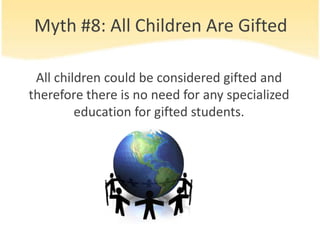
Advocacy for gifted students’ needs is crucial in ensuring these individuals receive the support and resources necessary to thrive academically and socially. Here are some key points to consider when advocating for gifted students:
1. **Identify the Needs:** It’s essential to understand the specific needs of gifted students, which may include advanced curriculum, specialized enrichment programs, mentorship opportunities, or accommodations for social-emotional challenges.
2. **Raise Awareness:** Educate teachers, administrators, parents, and policymakers about the unique needs of gifted students. Highlight the benefits of catering to their intellectual abilities and providing appropriate challenges to prevent boredom or disengagement.
3. **Individualized Education Plans (IEPs):** Just like other students with special needs have IEPs tailored to their requirements, gifted students can benefit from personalized education plans that outline goals, accommodations, and enrichment activities.
4. **Advocate for Equity:** Giftedness exists across all demographics, but access to resources and support may vary based on socio-economic status or cultural background. Advocate for equity in identifying and serving gifted students from diverse backgrounds.
5. **Collaborate with School Personnel:** Work closely with teachers, counselors, and administrators to create a supportive environment for gifted learners. Encourage professional development on best practices for teaching and supporting this student population.
6. **Support Social-Emotional Needs:** Gifted students may face unique social-emotional challenges such as perfectionism or feeling isolated due to intellectual differences. Advocate for counseling services or peer support groups tailored to their needs.
7. **Engage with Community Resources:** Seek partnerships with local organizations or universities that offer enrichment programs or extracurricular activities for gifted students beyond what schools can provide.
8. **Stay Informed:** Keep up-to-date on research and advocacy efforts related to gifted education through organizations like the National Association for Gifted Children (NAGC) or state-level associations.
By actively advocating for the needs of gifted students within educational systems and communities, we can ensure these individuals have the opportunities they deserve to reach their full potential.
 Alternative Amie
Leave a comment