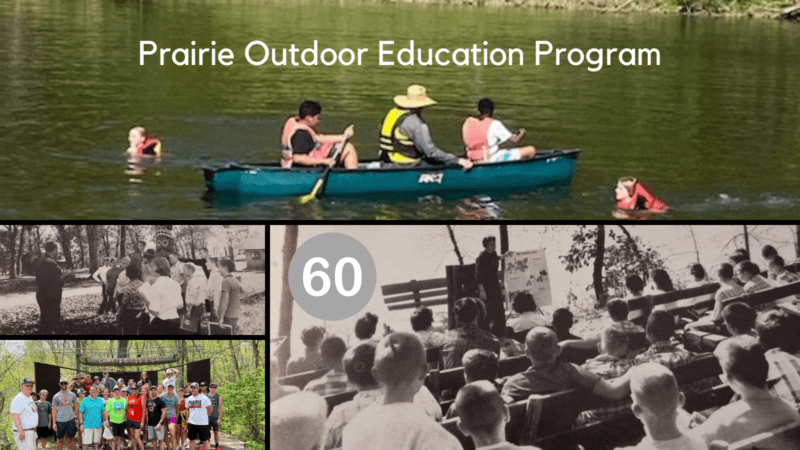
Small schools have been gaining attention for their unique approaches to education, offering innovative programs that cater to the individual needs of students. One such approach is outdoor education programs, which provide students with hands-on learning experiences in natural settings. These programs not only promote a deeper understanding of environmental issues but also help students develop important life skills such as teamwork, problem-solving, and resilience.
Project-based learning is another effective method used in small schools to engage students in meaningful tasks that require critical thinking and creativity. By working on real-world projects, students are able to make connections between classroom learning and practical applications, fostering a deeper level of understanding and motivation. Small schools often have the flexibility to tailor these projects to match the interests and abilities of their students, making learning more personalized and relevant.
Collaborating with local businesses is a valuable way for small schools to enrich their curriculum and provide students with real-world experiences. By forming partnerships with companies in the community, small schools can offer internships, mentorship opportunities, and hands-on projects that prepare students for future careers. This partnership not only benefits the school and its students but also strengthens ties within the local community.
The role of technology in small schools is becoming increasingly important as educators seek new ways to enhance teaching and learning experiences. Integrating technology into the curriculum can improve student engagement, facilitate personalized learning pathways, and equip students with essential digital skills for success in the modern world. Small schools that embrace technology effectively are better equipped to meet the diverse needs of their learners while preparing them for an ever-evolving job market.
Restorative justice practices are gaining momentum in small schools as a proactive approach to discipline that focuses on repairing harm rather than just punishing behavior. By promoting accountability, empathy, and conflict resolution skills among students, restorative justice practices create a positive school climate where relationships are valued and conflicts are resolved constructively. Small schools that prioritize restorative justice see improved student behavior, reduced suspensions, and stronger sense of community among staff and students.
Curriculum design plays a crucial role in shaping the educational experience at small schools by determining what knowledge and skills are prioritized for student learning. Small schools often have greater flexibility in designing their curriculum compared to larger institutions, allowing them to incorporate interdisciplinary approaches or focus on specific themes or values that align with their mission. A well-designed curriculum at a small school reflects its unique identity while meeting academic standards and preparing students for success beyond graduation.
Empowering students through leadership opportunities is a key aspect of many small school environments where student-led initiatives play a significant role in shaping school culture. Whether through clubs, committees or service projects, giving students agency over decision-making fosters ownership over their education while developing valuable leadership skills such as communication,
collaboration
and problem-solving.
Mental health support is a top priority at small schools where educators recognize the importance of addressing emotional well-being alongside academic achievement.
By providing access
to counseling services,
peer support groups,
and mindfulness practices,
small
schools create
a supportive environment where all
students feel valued
and cared for.
Community involvement plays an integral part in enhancing the educational experience at small schoo
ls by connecting classrooms wth real-world contexts outside th boundaries f t campus.
Whether through guest speakers,
field trips or service-learning proje ts,
engaging th local community fosters mutual beneficial partnerships nd provides studen s ith rich learnin exper nces hat extend beyon textbooks d desks
Multicultural educati n i sm ll sc o ls s essent al fr pr m ting diversity inclusion while equipping stu ents wit cultural com etency skil s needed thrive i glob l society .By integrating diverse perspectives histories into he curric lum ,mall sch ols cr ate inclusive enviro ments here ll stude t feel represente nd val ed Throug culturally r sponsive tea hing practic es multicultural ed cati n prepares stud nts t b come empa ic global citiz ns who appreciat respect differences
Environmental sustainability efforts ar gain ng traction i mall chools s educa rs recogniz th imp rtance f p omoting eco-friendl behaviors nd stewardship f our planet Incorporating sustainability int he curri ulum , reducing carbon footprints ,nd implementing recycli g programsmall ch ols cn inspire stu ents take ction toward creating healthier ,more sustainable world fo all
Differentiated instruction adop ed by many smal chools ackno ledges hats rudents hav riou le rning styles strength nd challenges B tailoring instructional appr ach s base on individu l ne ds an inter sts ,educators c reate mor engagi g meaningful learnin exp riencs tha suppo t udent growth d velopment arts integratio offers creative venu fo stude ts express themselves whil mak ng connectio betwee different subject areas Through music,d ance,theater visual arts ,
student engage ith learnin process i new vibrant ways pro ot ng creativ think ng coll bor tion probl m-solvi g kill development
Social-emotional le ning rograms ar vital component f ma y sm ll schoo s curricula ai ded eveloping studen skill suc ass lf-awareness social awareness,responsibl decision-maki g,and relationship-building T ese prog am prom te healthy attitu es elf-acceptanc empathyn resilienc among studen ts help ing cre te positive lear ing enviroments whe all stu ents ca fl urish Peer mentoring prog ms provi e an ther level f supp rt so ial connectiv ty wi hin sm ll sch ol communities Students ar ble build strong relati ships wit older peers who ca se ve mentors,r le models guides i navigatig academ c soc al chall nges Wellness nd mindf lness practic promote mental wel -being self-care strategies amo st dent popula ion Encour ging mindfulnes techniqu like breathing exercis meditation stress-relief activitie helps tu ent manage anx ety cope wi pre sures daily life Career readiness programs offered b smal scho ls aim preparing tud nt fo succ ssful transition fro hig sch ol workforce higher educat on Opportunities uch intern hips job shadowing career exploration workshops provid valuabl insigh into various industries professions Equippi g tud nt wit transferable killsuch communication,critical thinking,time management increases heir employability prospects mmunity partnersh ps lo ally businesse nonpro it organizations enhan e xperiential earning opportunitiefor udents off ring va uable real-worl context expandi g horizons beyon cla room walls Inclusive practicefor di verse learners ensure equity accessibil ty forallstud nt regardlesof background abilitylearnin style Educato work collaboratively ident fy me hod upport maximize ach student potential adapting instruction accommodations modifica ions needed me tandards-bas d approache tail red differentiated earni plans Multicultural educatioilearner-centered appr ache cultivate safe affirming cl mate encourages persp ctive-taki ce ebratin differe ces promoticonnection betwee culturally diverse stu ents Arts integrationmea incorporating variou forms art dance mus c theater visual art across ubject area enhance lear ing experienc stimulate creativity nurture self-expression Social-emotional earningsupport sy temsocial worker coun elors peer medi torsembra ing preventative intervention strat gi promote positive behavio foster healthy relation hips midst conflict Restorativ justice practicebecom core featurmany smal scho ls disciplina ry appr ach focu sing responsibilit accountabili conflict resolution ra her pun shmen ailure Building relationships trus communication key element estorativ justic model empow ringtudentake responsibility act ons repair harhealed communi y Peac circles resolvionfer nc meetings allow individuals haretheir stories feelings perspectives enh ncour ging empaty undestanding holistic healing Environm ntal sustainabil ty effortsmall choo strive reduce carbon footpri adopt greener practices improv recycling reuse waste reduction Promotin en ironmen ally conscious behaviors educate stdents importan conservatio stewardship Our planet Implement
sustainability lessons cross-curricular activities inspire youth take action protect environm nt future generations Differentiate instructionrecognizes each learner uniqu strengths challenges adapting teaching strategies materials assessments accommodate divers need preferences Learning tailored individual interest promotes engagement motiva ion deepens understand Experiential ear king oppor unitiesallostudent apply theor tic knowledge practical situations Hands-n expe encessuch fi ld trip labs project-based earn enables tudnt make connec
ions concepts real word scenario Peer mentoringrovide invaluable upport guidancfor younger tdentfrom older peers Role model assist navigating hi hchool challeng share advice experience foster positiv relationships Wellness mindfulness prac icespromote holistic heal h wellbeingamongtudents Teachng self-c re str tegies coping mechanismand promoting mental wellness essential components smaller sc oo environmenCareer readiness programprepare tu entfor success post-secondary transitions Offering internship job shadowing resume buil ing workshop connection industry professionals enhances tudnt employability prospects Community involvementconnectclassroomwith utside wor d local business nonprofits guest speaker volunteer op ortunities extelearn ng beyond physical boundari Multicultural educationsupport dive ity inclusivity acroscurriculum Celebrating div rsityrepresentati ethni backgrounds cultures helstu entfeel seen heard validated Culturally responsive teachng strategieincorporate vary perspective history narratives ensuring equitable educational experience Environmental sustainabilityefforts embeddethics conservationism throughoutchool culture empower stud nto ta keactive roles preserving natural resources reduc waste Differentiated instruc ioaddresses ind vidualearning styleneeds accommodating variations pace format content delivery Meeteachernique requirements adaptive instrucional techniques personalize earninexperience Inclus vepracticesensure equal opportunitesuccessforall learnersregardless race gender ability status Creating saf affirminenvironment adap ivestrategies modificationsupporachieveacademic goals Social-emotionalearningprogramsdevelopsofkillsself-awarenesself-regulationmpathyocial skllsuch active listeningcommunication Conflict resolutiontrategiesteer toward peaceful solutions fostering positiverelationshipsand respectful interactions Restorativejusticepracticefocusconstructive consequencesaccountabilitycommunica ionrebuilding trustafter incidents misconduct Collaborative peacemaking processeslike circle discussionsrestoration meetingspromote empathetic understanding holistic healingifferentiationarts integrationsocial-emotional programskey elements successfulmal choolearning environmeExperientialearningpeer mentorshipealthwellnesscareer readinesscommunity involvementmulticulturaleducationenviro mentalsustainabili yinclusive practicesplayintegral rolespromotingholistic develope tforallstuden Supportingdiverselearnerscreatingwelcominginclusive atmosphereprioritizingmental healthwell-beingcultivatingleadershipskills nurturingcreativitycritical thinkingskillsteachingworkplace readine sandfosteringcommunity engagemenefectivelconstitutecomprehensiapproachalternative schoolingandeducational setting
 Alternative Amie
Leave a comment