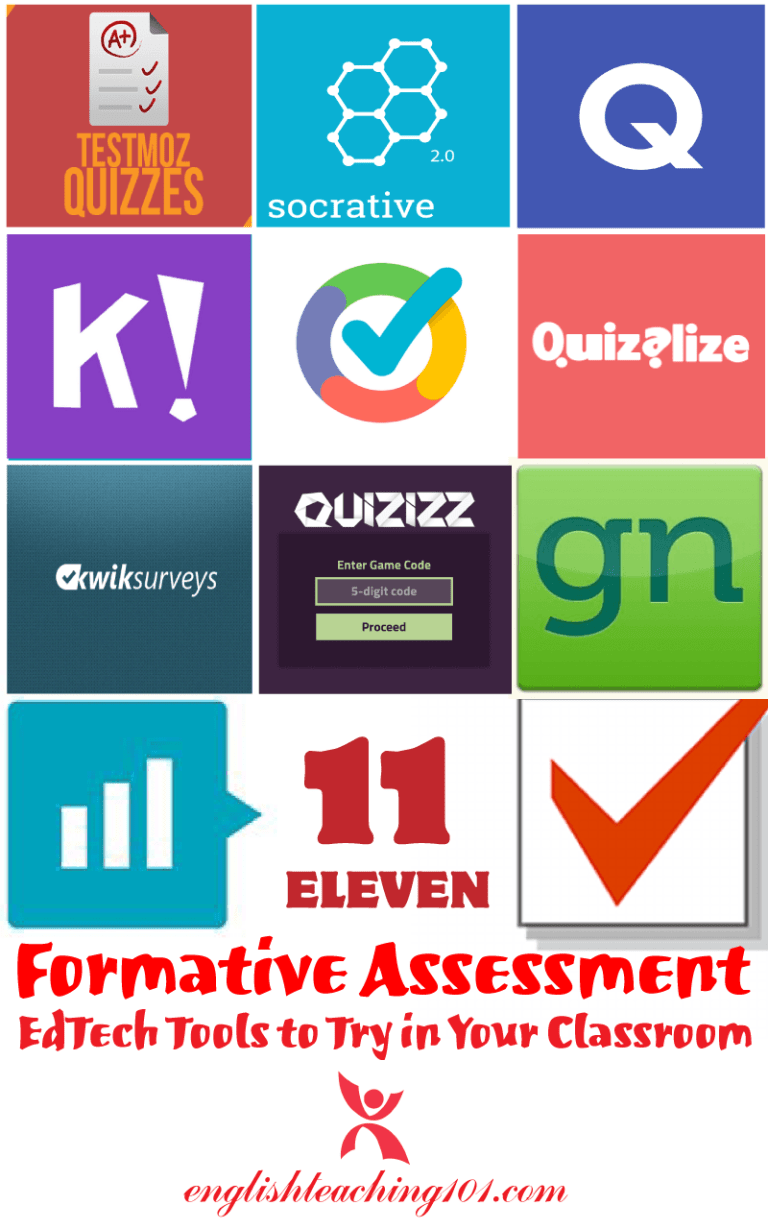
Formative assessment is a valuable tool for educators to gauge student understanding and progress throughout the learning process. Unlike traditional summative assessments, which typically occur at the end of a unit or course, formative assessments are ongoing, informal assessments that provide feedback to both teachers and students to guide instruction and improve learning outcomes.
There are many different types of formative assessments that educators can use in the classroom. One common form is questioning techniques, where teachers ask open-ended questions to check for understanding and prompt critical thinking. Another effective method is exit tickets, where students answer brief questions at the end of a lesson to demonstrate what they have learned.
Additionally, quizzes, polls, surveys, peer evaluations, self-assessments, and observations are all tools that can be used for formative assessment purposes. These methods allow teachers to gather real-time data on student comprehension and adjust their teaching strategies accordingly.
One key benefit of using formative assessment is its ability to inform instructional decisions in real-time. By regularly assessing student understanding during lessons, teachers can identify misconceptions or gaps in knowledge early on and address them before moving on to new material. This targeted approach helps ensure that all students have a solid foundation before building upon it further.
Furthermore, formative assessment promotes student engagement by involving them actively in the learning process. When students receive immediate feedback on their work and understand how they can improve, they become more motivated to learn and take ownership of their education.
Another advantage of formative assessment is its ability to help differentiate instruction for diverse learners. By collecting data on individual student performance, teachers can tailor their lessons to meet the specific needs of each student. This personalized approach ensures that all students receive the support they need to succeed.
In conclusion, incorporating formative assessment practices into the classroom can greatly enhance teaching and learning experiences. By providing continuous feedback, promoting student engagement, informing instructional decisions in real-time, and supporting differentiated instruction efforts – educators can create an environment where every student has the opportunity to thrive academically.
 Alternative Amie
Leave a comment