Project-based learning (PBL) is a dynamic approach that allows students to engage in real-world problems and challenges. By working on projects, students develop essential skills such as critical thinking, collaboration, communication, and creativity. This hands-on method fosters a deeper understanding of concepts and promotes active learning.
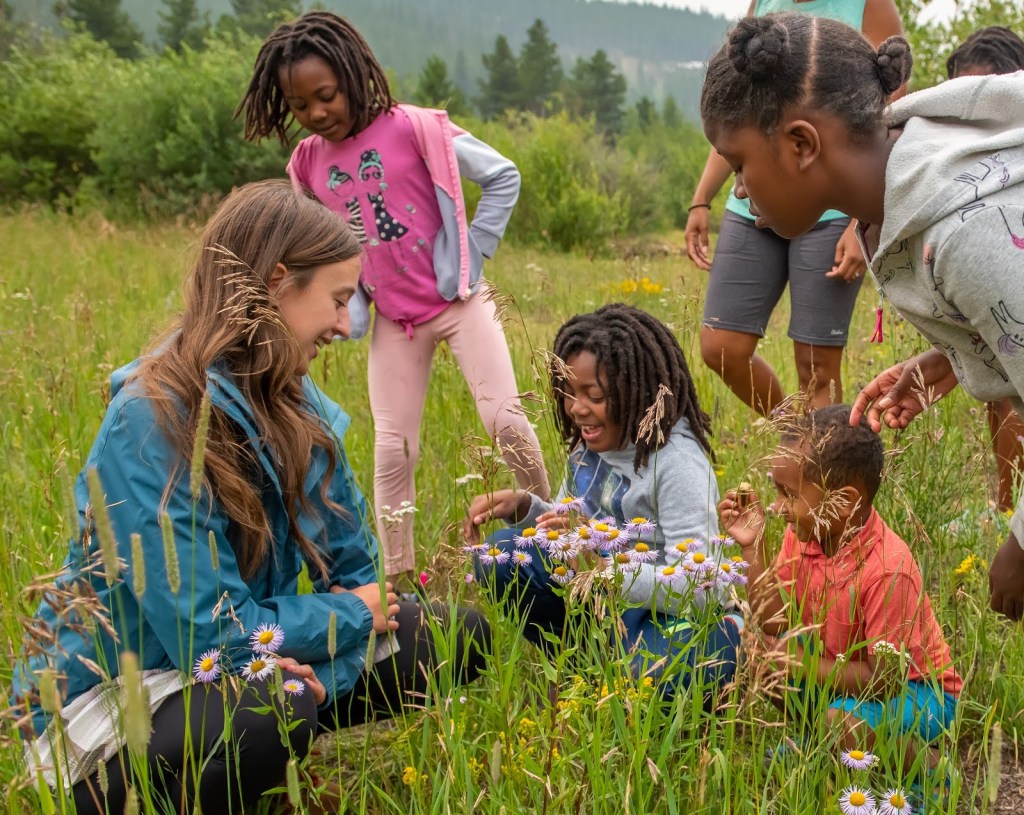
Outdoor education takes the classroom outside, providing students with opportunities to connect with nature while learning about the environment. Outdoor activities can enhance academic performance, physical health, and overall well-being. Students develop a sense of stewardship for the natural world through experiential learning in outdoor settings.
Experiential learning emphasizes practical experiences as a way to gain knowledge and skills. By engaging in hands-on activities, students take an active role in their education, leading to better retention of information and a greater understanding of concepts.
Place-based education connects learning to local environments and communities. By exploring their surroundings, students develop a sense of place and connection to their community. This approach encourages interdisciplinary learning and fosters environmental stewardship.
The Reggio Emilia approach values student-led exploration and inquiry. It emphasizes collaboration among teachers, parents, and students to create a supportive learning environment where children’s interests guide the curriculum.
The Montessori method focuses on individualized instruction tailored to each child’s unique needs and interests. Montessori classrooms are carefully prepared environments that promote independence, curiosity, and self-directed learning.
Waldorf education emphasizes holistic development by integrating academics with arts, music, movement, and practical skills. The emphasis on creativity nurtures imagination and self-expression in students.
Unschooling advocates for learner autonomy by allowing children to pursue their interests at their own pace without formal curriculum or grades. This approach values real-life experiences as valuable educational opportunities.
Self-directed learning empowers students to take control of their education by setting goals, making choices about what they learn, how they learn it, and how they demonstrate mastery of content.
Inquiry-based learning encourages exploration through questioning rather than direct instruction. Students investigate topics that interest them deeply through research projects or experiments that promote critical thinking skills.
Holistic education considers the whole child by addressing intellectual growth alongside social-emotional development through personalized instruction tailored to individual needs.
Gamification in education uses game design elements such as competition or rewards systems to engage learners in academic content effectively.
Art-based education integrates visual arts into core curriculum subjects like math or science fostering creative expression while enhancing comprehension.
Nature-based Learning immerses learners outdoors connecting them directly with nature cultivating environmental awareness alongside traditional academics.
Music Education provides structured lessons utilizing musical theory performance enhancing cognitive abilities while promoting creativity.
Mindfulness practices help cultivate attention regulation emotional regulation empathy reducing stress levels improving relationships within school culture.
Social-emotional Learning teaches emotional intelligence relationship building empathy conflict resolution crucial life skills beyond traditional academics fostering healthy interactions within diverse communities.
Culturally Responsive Teaching acknowledges cultural diversity incorporating varied perspectives traditions histories creating inclusive educational environments empowering all learners equally enabling mutual respect among peers bridging cultural divides enriching overall educational experience
STEAM Education incorporates Science Technology Engineering Arts Mathematics providing interdisciplinary project based approaches preparing future leaders innovators problem solvers equipped diverse skill sets adapt rapidly changing society
Environmental Education instills ecological literacy conservation ethics sustainable practices nurturing responsible stewards global citizens protecting planet’s resources biodiversity future generations advocating environmental justice informing decision making regarding environmental issues tackling contemporary challenges collaboratively
In conclusion Alternative schooling options offer various innovative approaches fostering holistic development catering diverse needs interests abilities learners promoting lifelong love for discovery continuous personal growth meaningful connections community advocacy sustainability empowerment equipping individuals thrive ever evolving world uncertainties complexities possibilities
 Alternative Amie
Leave a comment