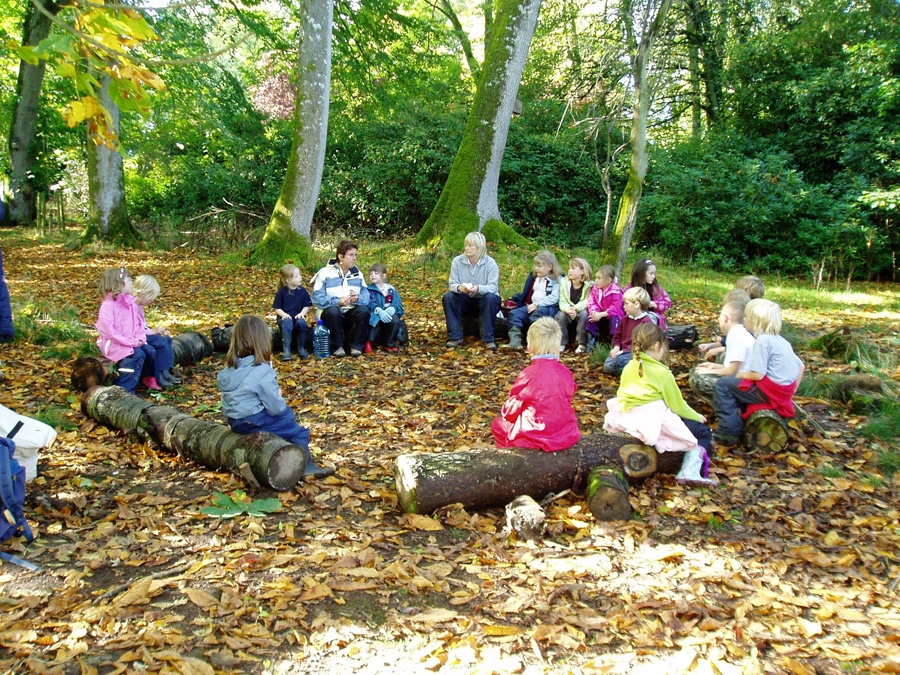
Forest schools have gained popularity in recent years for their unique approach to education that emphasizes outdoor learning and connection with nature. In forest schools, children spend a significant portion of their time learning and playing in natural settings such as woodlands, parks, or forests. This type of education is especially beneficial for fostering a sense of environmental stewardship and instilling a love for the outdoors in children from a young age.
Urban Waldorf education offers a Waldorf-inspired curriculum within an urban setting, providing children with a holistic educational experience that nurtures creativity, critical thinking, and emotional intelligence. These schools often incorporate elements of biodynamic farming into their programs, teaching students about sustainable agriculture practices and the importance of connecting with the land.
In mountain-based Waldorf schools, students are surrounded by the beauty and tranquility of mountain landscapes while receiving an education that focuses on experiential learning and personal growth. Similarly, coastal Waldorf schools offer students the opportunity to explore marine ecosystems and engage in hands-on learning experiences related to ocean conservation.
Desert-based Waldorf education encourages students to connect with the unique desert environment through activities such as gardening with drought-resistant plants or studying indigenous desert wildlife. Tropical Waldorf schools provide a lush backdrop for learning about biodiversity, sustainability, and tropical ecosystems.
In Arctic Waldorf education settings, students learn about resilience, adaptation, and traditional indigenous knowledge related to surviving in cold climates. Rural Waldorf schools offer a peaceful atmosphere where students can engage deeply with nature and participate in farming or animal husbandry activities.
Suburban Waldorf education combines elements of urban convenience with access to green spaces for outdoor exploration. Indigenous-inspired Waldorf programs integrate traditional knowledge systems into the curriculum to honor indigenous cultures and promote cultural diversity within educational settings.
International Waldorf schools bring together students from different cultural backgrounds to create rich multicultural learning environments. Community-based initiatives focus on collaboration between educators, parents, and community members to create holistic educational experiences for children.
Island-based Waldorf education offers a unique island perspective on sustainability, marine conservation, and island ecology. Nordic-inspired programs draw inspiration from Scandinavian educational models known for their emphasis on outdoor play and environmental awareness.
African-centered Waldorf schools celebrate African heritage through art, music, dance, storytelling,
and history lessons that reflect diverse African cultures. Australian bush-based
Waldorf education immerses students in Australia’s natural landscapes while teaching them about Aboriginal traditions
and ecological principles specific to the Australian bush.
European-style schooling follows the original teachings of Rudolf Steiner,
the founder of the Waldorf movement,
with an emphasis on artistic expression,
handwork,
music,
and movement.
South American influenced programs incorporate elements from various South American cultures
to enrich the curriculum
with diverse perspectives.
These alternative approaches to schooling provide valuable insights into how different environments
and cultural influences can shape innovative educational practices within the framework of
Waldorfs philosophy.
Whether you’re drawn towards forest schooling,
urban settings,
mountain retreats – there’s bound
 Alternative Amie
Leave a comment