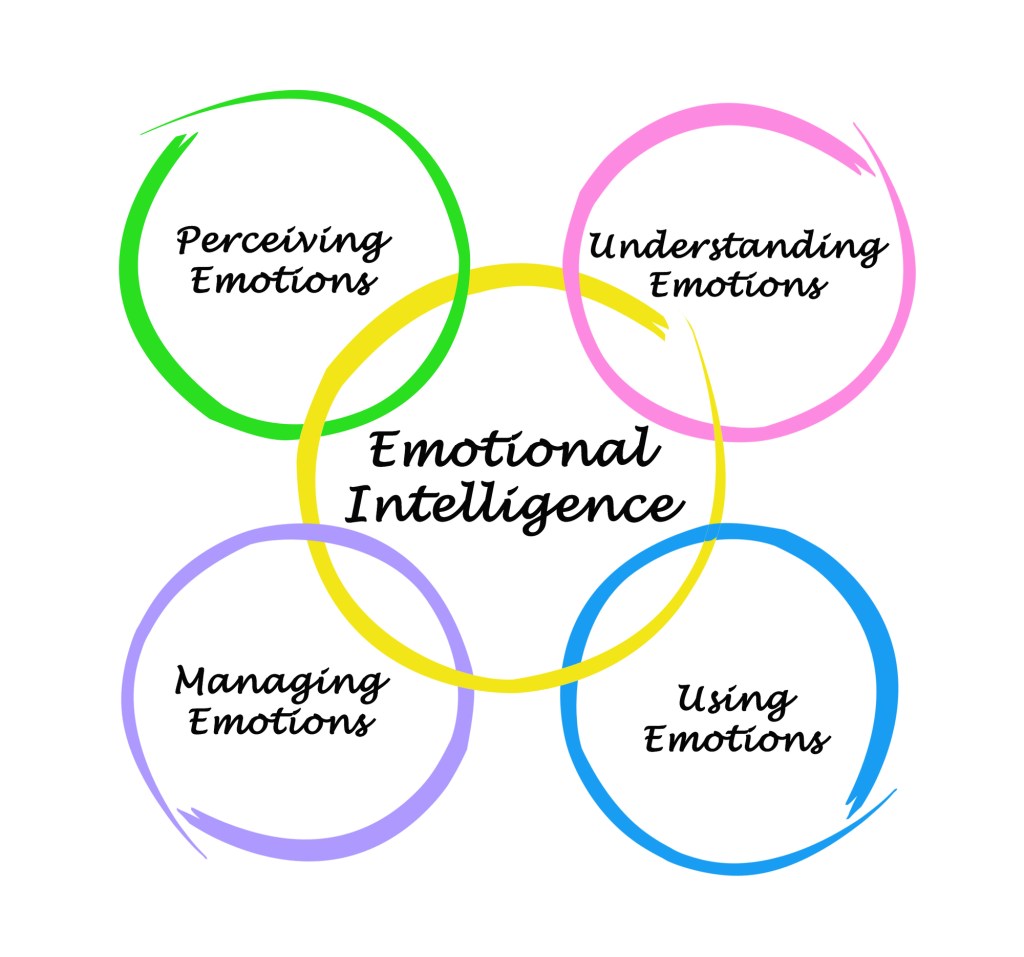
Emotional intelligence is a critical skill that plays a significant role in an individual’s personal and professional success. Unlike traditional forms of intelligence, emotional intelligence focuses on understanding and managing emotions effectively. It encompasses the ability to recognize, understand, and regulate one’s own emotions while also being attuned to the emotions of others. Developing emotional intelligence is essential for building strong relationships, making sound decisions, and navigating life’s challenges with resilience.
One key aspect of emotional intelligence development is self-awareness. This involves recognizing one’s own emotions, strengths, weaknesses, values, and goals. Self-aware individuals are able to reflect on their feelings and behaviors without judgment, leading to greater self-understanding and authenticity. Practices such as mindfulness meditation can help cultivate self-awareness by encouraging individuals to observe their thoughts and emotions without attachment or reaction.
Self-regulation is another crucial component of emotional intelligence development. This involves the ability to manage impulses, control negative emotions, adapt to changing circumstances, and maintain a positive outlook even in challenging situations. Techniques like deep breathing exercises, progressive muscle relaxation, and cognitive reframing can help individuals regulate their emotions effectively.
Empathy plays a vital role in emotional intelligence as well. Empathetic individuals are able to understand and share the feelings of others, demonstrating compassion and sensitivity towards different perspectives. Cultivating empathy involves active listening skills, perspective-taking exercises, and engaging in acts of kindness towards others. By practicing empathy regularly, individuals can strengthen their interpersonal relationships and foster a sense of connection with those around them.
Social skills are also integral to emotional intelligence development. These skills encompass effective communication, conflict resolution abilities, teamwork capabilities, leadership qualities,
and relationship-building strategies.
Individuals with strong social skills excel at networking,
collaborating with others,
and creating harmonious environments both personally
and professionally.
Practicing active listening,
assertive communication,
negotiation techniques,
and group problem-solving activities
can enhance one’s social skills
and contribute to overall emotional intelligence growth.
Furthermore,
self-motivation is an essential aspect
of developing emotional intelligence.
Individuals who possess high levels
of self-motivation exhibit determination,
resilience,and optimism in pursuing their goals.
Setting clear objectives,prioritizing tasks,and maintaining a growth mindset
are all valuable practices for enhancing self-motivation.
In conclusion,
emotional intelligence development is a lifelong journey
that requires dedication,self-reflection,and practice.
By honing key competencies such as self-awareness,self-regulation,
empathy,social skills,and self-motivation,
individuals can cultivate stronger relationships,resilience,and overall well-being.
Alternative education settings provide unique opportunities for fostering emotional intelligence through experiential learning,collaborative projects,and supportive communities.
By integrating emotional literacy programs,intentional skill-building activities,and reflective practices into alternative schooling curricula,
educators can empower students with the tools needed
to navigate complex emotions,foster healthy relationships,and thrive academically,socially,
and emotionally.
Ultimately,the cultivation
of Emotional Intelligence
in alternative educational contexts
has the potential
to positively impact students’
personal growth,
interpersonal dynamics,
academic achievements,
career prospects,
and overall quality of life.
It is imperative that educators,policymakers,parental guardians,researchers,
and community stakeholders collaborate
to prioritize Emotional Intelligence Development
as an essential component
of holistic education approaches.
Through intentional efforts
to nurture Emotional Intelligence Skills within alternative schooling environments,a more compassionate,supportive,balanced world may be realized where individuals are equipped
with the resilience,equanimity,humility,
respectfulness,
empathy,
open-mindedness,
courage,
optimism,
collaboration
skills necessary
for thriving amidst life’s myriad challenges—both now
and into the future.
Given its transformative potential,it behooves us all—together—to champion Emotional Intelligence Development within alternative educational landscapes—and beyond—for our collective well-being
 Alternative Amie
Leave a comment