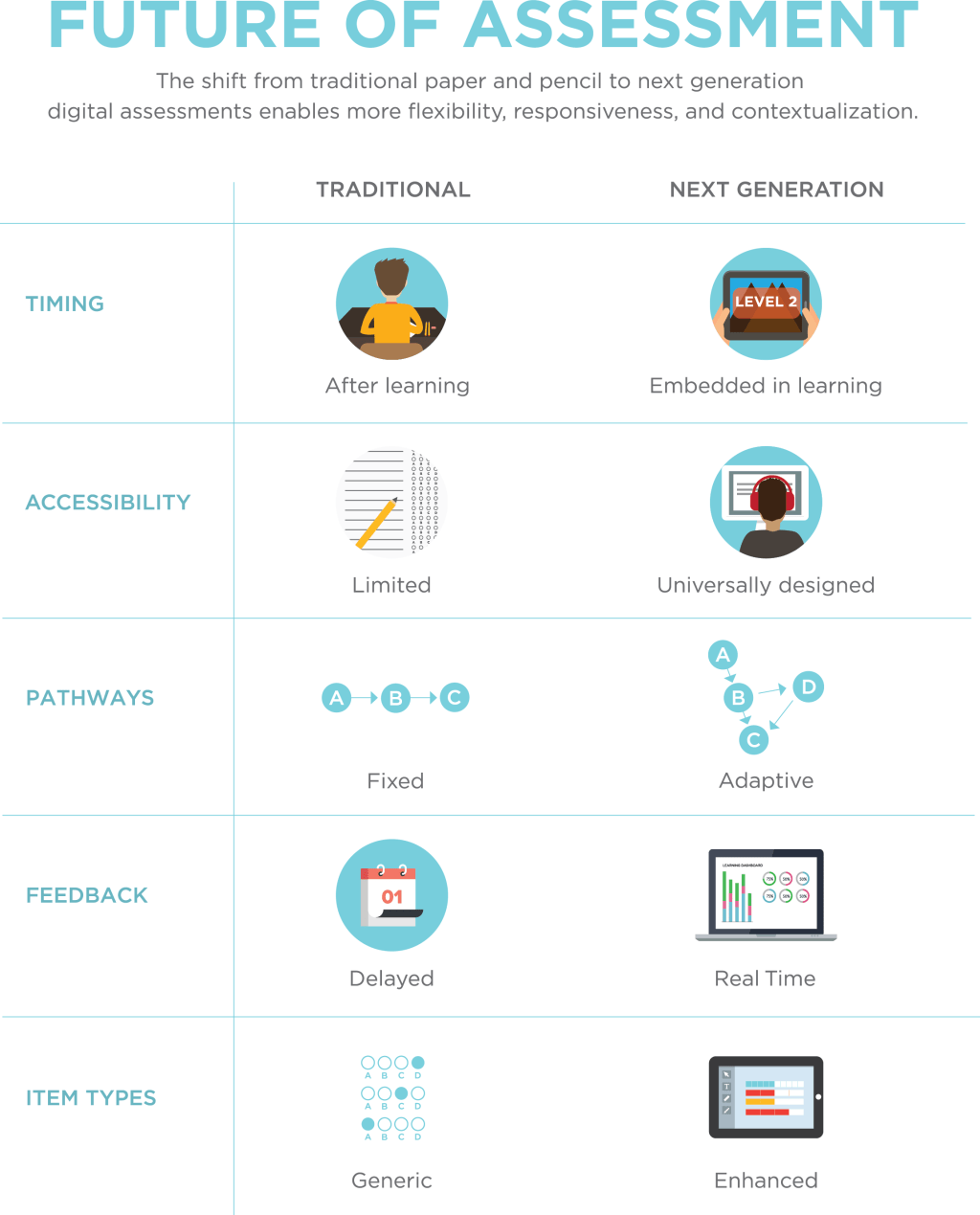
Project-based learning (PBL) has gained popularity in recent years for its effectiveness in engaging students, fostering critical thinking skills, and promoting collaboration. In PBL, students work on real-world projects that require them to investigate and solve complex problems, often working in groups to complete tasks over an extended period of time. This approach to learning allows students to apply their knowledge in a practical context while developing essential skills such as communication, creativity, and problem-solving.
Peer assessment is a key component of project-based learning as it encourages students to take ownership of their learning process and provides valuable feedback from their peers. When students assess each other’s work, they not only gain a deeper understanding of the project criteria but also learn how to give constructive criticism and reflect on their own performance. Peer assessment can help foster a sense of community within the classroom and promote collaboration among students.
Incorporating technology into project-based learning can enhance the overall learning experience by providing access to resources, tools, and platforms that support student engagement and creativity. Technology can be used for research purposes, data analysis, multimedia presentations, virtual collaborations with experts or peers from around the world, online discussions, and more. By leveraging technology effectively within PBL activities, educators can create dynamic learning environments that cater to diverse student needs and preferences.
Students with disabilities can benefit greatly from project-based learning as it offers opportunities for personalized instruction, hands-on experiences, and meaningful participation in group activities. Educators should consider individualized accommodations and modifications to ensure that all students have equal access to the curriculum and are able to demonstrate their knowledge through various means. By creating inclusive PBL projects that cater to diverse learners’ needs, educators can promote equity in education and empower all students to succeed.
Outdoor project-based learning activities provide a unique opportunity for students to connect with nature, explore environmental concepts firsthand, develop teamwork skills through outdoor challenges or fieldwork investigations. Outdoor projects can range from building nature-inspired art installations using found materials outdoors exploring local ecosystems through scientific inquiry collecting data on weather patterns or wildlife habitats conducting service-learning projects that benefit the environment or community at large.
Integrating arts & crafts into project-based learning adds a creative dimension that enhances student engagement fosters self-expression strengthens fine motor skills promotes aesthetic appreciation connects academic concepts with real-world applications encourages experimentation innovation arts & crafts activities like painting sculpting drawing collage making fiber arts design architecture photography digital media production offer endless possibilities for interdisciplinary connections within PBL initiatives.
Project-based learning offers numerous benefits for social-emotional development by providing opportunities for collaboration empathy building relationship-building conflict resolution self-awareness regulation responsible decision-making teamwork communication leadership these essential life skills are developed naturally through working on authentic projects where emotion intelligence is valued celebrated supported teachers can facilitate discussions reflection activities role-playing exercises mindfulness practices promote positive interactions amongst peers enhance emotional well-being resilience overall psychological health
Implementing real-world challenges into Project Based Learning helps bridge the gap between theory practice by connecting academic content with practical applications preparing students for future careers citizenship roles society addressing relevant issues facing communities industries worldwide examples include designing sustainable solutions environmental problems creating innovative products services meeting specific market demands developing public policy proposals solving engineering challenges improving healthcare systems enhancing educational practices
Project management skills are essential components of Project-Based Learning as they enable students plan organize execute evaluate complex tasks effectively collaborating team members allocating resources meeting deadlines managing risks adapting change communicating progress reflecting outcomes continuous improvement throughout entire process cultivating strong foundation leadership responsibility accountability adaptability problem-solving decision-making negotiation interpersonal dynamics these transferable life-long competencies prepare success 21st century workforce global economy modern society
Environmental sustainability projects enrich Project-Based Learning experiences offering opportunities explore complex interrelationships natural human-made systems engage hands-on stewardship actions contribute positive impact local global environments examples include establishing recycling programs reducing energy consumption water conservation planting maintaining green spaces advocating policies protect biodiversity participating citizen science initiatives monitoring ecological indicators implementing climate change adaptations promoting sustainable lifestyles educating others environmental issues
Cross-curricular connections play integral role Project-Based Learning integrating multiple subjects disciplines creates rich holistic educational experience enables make meaningful links different areas knowledge fosters interdisciplinary thinking problem-solving offers comprehensive view topics issues cultivates critical literacy numeracy scientific reasoning cultural awareness historical perspectives artistic expressions ethical considerations technological advancements geographical insights linguistic diversity socio-economic implications political dimensions interconnected world today tomorrow
Differentiating instruction crucial aspect Project-Based Learning recognizing learners possess diverse backgrounds abilities interests educators must tailor teaching strategies assessments supports meet individuals’ specific needs preferences strengths challenge zones adjustments may include flexible grouping tiered assignments scaffolded instructions choice autonomy formative feedback alternative assessments assistive technologies specialized interventions accommodations modifications culturally responsive practices explicit modeling coaching mentoring peer tutoring ongoing reflections revisions cultivate inclusive equitable classrooms where every student thrives excels reaches full potential
Community partnerships enhance authenticity relevance sustainability Project-Based Learning initiatives collaborative efforts schools organizations businesses governmental agencies nonprofits bring together expertise resources perspectives address pressing community needs foster civic engagement social responsibility career exploration mentorship networking empowerment belonging advocates volunteers stakeholders co-design implement evaluate celebrate shared accomplishments build collective capacity lasting impact generate mutual benefits partners participants symbiotic relationships reciprocity trust commitment shared vision common goals effective communication synergy synergy transitioning traditional schooling models towards transformative experiential paradigm shift empowers enriches educates transforms lives prepares citizens leaders innovators changemakers better future generations planet earth universe beyond realms possibilities horizons dreams aspirations humanity collectively collaboratively collaboratively collaboratively collaboratives collectively collaborate collaborate cooperate unite harmonize synchronize synergize amplify scale up evolve transcend thrive flourish prosper progress advance forward onward upward inward outward everywhere always forevermore onwards upwards onwards forwards evermore evermore evermore forevermore perpetually eternally infinitely endlessly limitlessly boundlessly immeasurably indomitably resolutely remarkably extraordinarily significantly gloriously magnificently spectacularly marvelously wonderfully beautifully majestically exquisitely gorgeously sublimely splendidly grandly impressively powerfully dynamically energetically vivaciously vibrantly zestfully passionately purposefully meaningfully deeply profoundly genuinely authentically intentionally deliberately wholeheartedly devotedly dedicatedly loyally steadfastly unconditionally altruistically compassionately empathetically lovingly respectfully responsibly ethically critically creatively positively optimistically confidently courageously boldly fearlessly resiliently graciously gracefully generously abundantly humbly kindly thoughtfully conscientiously diligently judiciously wisely discerningly prudently proactively mindfully peacefully harmoniously equitably inclusively diversely sustainably environmentally consciously globally universally locally microcosmically macrocosmically cosmically astronomically galactically transcendently divinely spiritually mystically metaphysicall
 Alternative Amie
Leave a comment