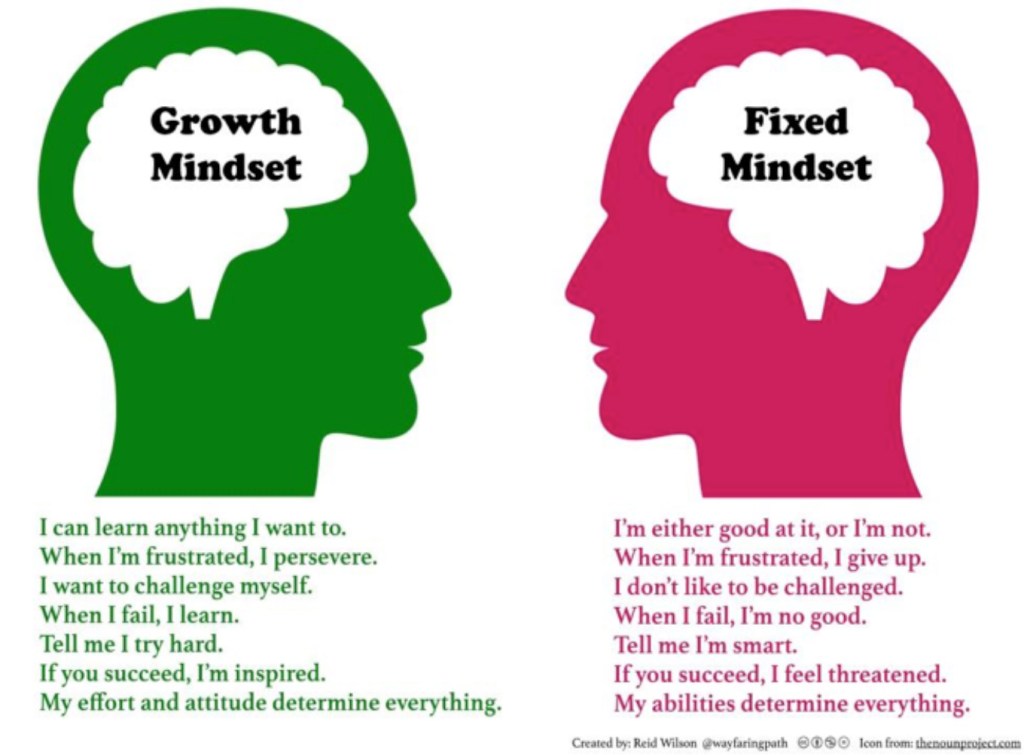
In the realm of education, one concept that has gained significant traction in recent years is the idea of cultivating a growth mindset among students. Coined by psychologist Carol Dweck, a growth mindset is the belief that intelligence and abilities can be developed through dedication and hard work. In contrast, a fixed mindset is the belief that intelligence and talent are innate qualities that cannot be changed.
The implications of embracing a growth mindset are profound in an educational setting. Students who believe they can improve their abilities are more likely to take on challenges, persevere through setbacks, and ultimately achieve higher levels of success. This shift in mindset can lead to increased motivation, resilience, and overall academic performance.
So how can educators effectively cultivate a growth mindset among their students? One key strategy is to praise effort rather than inherent ability. Instead of telling students they are “smart” or “talented,” which reinforces a fixed mindset, teachers can acknowledge their hard work and perseverance. By celebrating the process rather than just the outcome, students learn to value effort as a path to success.
Another important aspect of fostering a growth mindset is teaching students about neuroplasticity – the brain’s ability to reorganize itself by forming new neural connections throughout life. By helping students understand that their brains are malleable and capable of change, educators empower them to see challenges as opportunities for growth rather than insurmountable obstacles.
Furthermore, providing regular feedback that focuses on specific strategies and efforts rather than just grades or scores can help reinforce a growth-oriented perspective. Encouraging reflection on what worked well and what could be improved fosters metacognitive skills that are essential for continued learning and development.
Beyond classroom practices, creating a supportive learning environment where mistakes are viewed as valuable learning experiences is crucial for nurturing a growth mindset. When students feel safe to take risks and make errors without fear of judgment or failure, they become more willing to step outside their comfort zones and push themselves beyond perceived limitations.
Incorporating activities that promote resilience and grit – such as goal-setting exercises, mindfulness practices, or collaborative projects – can also contribute to building a growth mindset among students. These experiences help cultivate perseverance in the face of challenges and foster a sense of agency over one’s own learning journey.
Ultimately, instilling a growth mindset in students requires ongoing effort from both educators and parents alike. By modeling resilience, embracing failures as opportunities for learning, and reinforcing the belief that improvement is always possible with dedication and hard work, we can empower our young learners to approach education with confidence, curiosity, and an unwavering commitment to personal growth.
As we continue to explore innovative approaches to education that prioritize holistic development over traditional measures of success,
cultivating a growth mindset remains at the forefront of shaping resilient,
adaptable lifelong learners who are prepared not only for academic achievement but also for navigating the complexities
of an ever-evolving world with confidence
and determination.
 Alternative Amie
Leave a comment