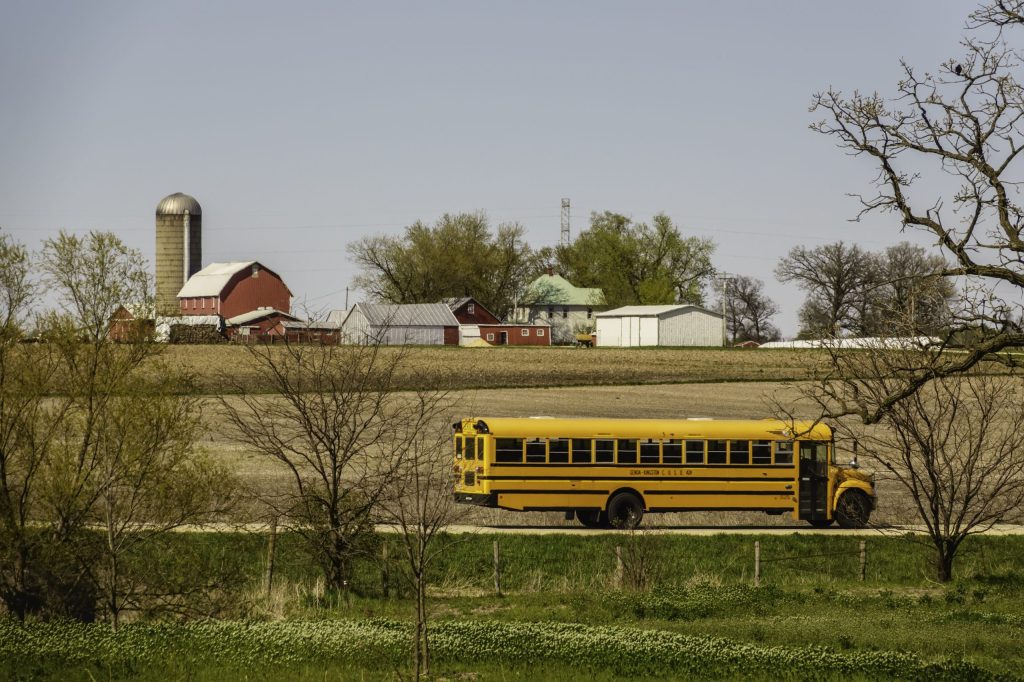
Rural schools play a vital role in shaping the educational landscape, providing unique opportunities and challenges that set them apart from urban or suburban schools. These schools are often smaller in size, serving tight-knit communities where students, teachers, and families form strong bonds that can last a lifetime. The close-knit environment of rural schools fosters a sense of belonging and community spirit among students, creating a supportive atmosphere for learning.
One of the key advantages of rural schools is their intimate class sizes. With fewer students per class, teachers are able to provide more individualized attention to each student, catering to their specific learning needs and styles. This personalized approach to education helps students thrive academically and emotionally, leading to higher levels of engagement and motivation.
In rural areas where resources may be limited compared to urban settings, creativity often flourishes as educators find innovative ways to make the most out of what they have. Teachers in rural schools frequently wear multiple hats – they not only teach academic subjects but also serve as mentors, coaches, and even counselors for their students. This multi-faceted role allows teachers to build strong relationships with their students and make a lasting impact on their lives beyond the classroom.
Despite facing challenges such as limited funding or access to advanced technology, many rural schools are embracing these constraints as opportunities for growth and innovation. In some cases, these schools have implemented project-based learning initiatives that leverage local resources and community partnerships to provide hands-on experiences for students. By integrating real-world applications into the curriculum, rural schools prepare students for success in both higher education and future careers.
Moreover, the natural surroundings of rural areas offer unique educational opportunities that cannot be replicated in urban environments. Students in rural schools often have easier access to outdoor spaces such as forests, fields, or farms where they can engage in experiential learning activities like gardening or environmental studies. These hands-on experiences not only enrich the curriculum but also instill a deep appreciation for nature and conservation among students.
Another advantage of attending a rural school is the sense of safety and security it provides. In small communities where everyone knows each other by name, there is a palpable feeling of trust and mutual respect that permeates the school environment. Students feel safe expressing themselves creatively without fear of judgment or discrimination – an essential factor in fostering self-confidence and personal growth.
Furthermore, many rural schools prioritize character education alongside academics by emphasizing values such as integrity, responsibility, empathy,and resilience.These values are woven into daily lessons through service projects,civic engagement initiatives,and peer mentoring programs.Students learn not just howto excel academically but also howto become compassionate,responsible membersof society who contribute positivelyto their communities.This holistic approach topersonal development helpsstudents develop critical lifeskills that will serve themwell beyond graduation.
Onthe flip side,rural schoolsmay face certainchallenges,suchas limitedaccess toparticular extracurricular activitiesor specializedcourses.However,the tight-knit natureofruralcommunitiesoften means resourceful educatorsand parentsare quickto fillthese gapsby organizingcommunity-driven events,suchas workshops,fairs,and field trips.These collaborativeeffortsnotonly enrichtheeducational experienceforstudentsbutalsostrengthen tiesbetweenfamiliesandschools,makingeducationa truly communal endeavorthat extends beyondthe confinesofthe classroom.
Additionally,rural schooldistrictsoftenstrugglewithrecruitingand retaining high-qualityteachersdue tolackofcompetitive salariesor professionaldevelopmentopportunities.To mitigate thisissue,some districts haveimplementedinnovativeapproachessuchassharedprofessionaldevelopmentprogramsor virtual mentorshipinitiativeswhereeducatorsfromdifferentareas cancollaborateandincrease theirskills.Additionally,ruralschoolsare increasinglypartneringwithuniversitiesandother organizations tobolsterteacher trainingandelevatethequalityofinstructionintheclassroom.Thisfocused effortonprofessionaldevelopmenthelpsnurturea thrivingeducator communityinruralareas,eventually benefitingthestudentswhorelyontheir expertisefora well-roundededucationalexperience.
In conclusion,ruralschoolsaretreasure trovesofferventlearningopportunitiesthatnurturecreativity,nurtureresilience,fostercommunityspirit,andinstilla loveforlearning.Ratherthanviewingtheir remotenessasanobstacle,ruralschoolsembracethischallengeasanopportunitytotransformlimitationsinto strengths.Throughinnovation,collaboration,anddedication,ruralschoolsaresuccessfullyshapingthelivesoftoday’syouthandequippingthemwiththeskillstopositivelyimpactthefutureofsociety.
 Alternative Amie
Leave a comment