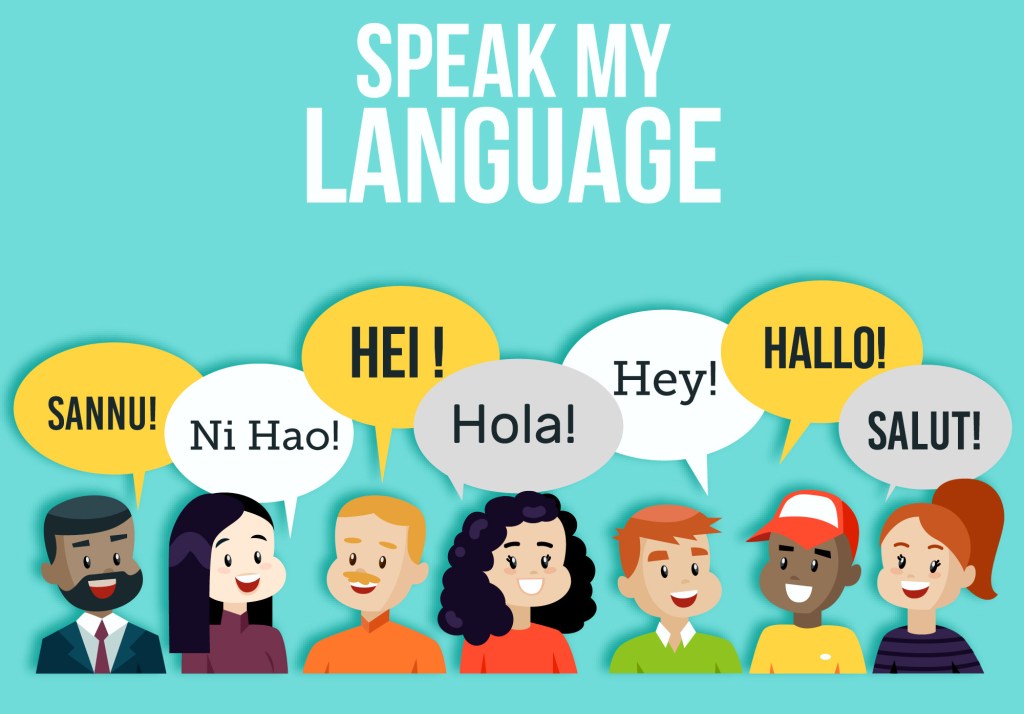
Dual language immersion programs have gained popularity in recent years as a way to promote bilingualism and biliteracy among students. These programs provide instruction in two languages, typically with the goal of developing proficiency in both languages. Research has shown that dual language immersion programs not only help students become fluent in two languages but also offer cognitive benefits such as improved problem-solving skills, creativity, and enhanced critical thinking abilities.
Bilingual literacy development is a key focus in these programs, where students are encouraged to read and write in both languages. Teachers use culturally responsive teaching strategies to ensure that all students feel included and valued in the classroom. This approach recognizes the diverse backgrounds of students and incorporates their cultures into the curriculum, making learning more relevant and engaging for everyone.
Heritage language maintenance is another important aspect of bilingual education, especially for immigrant families or communities where a language other than English is spoken at home. By incorporating students’ heritage languages into the curriculum, schools can help preserve these languages for future generations while also fostering a sense of cultural identity and pride.
In bilingual special education settings, teachers use specific strategies to support students with disabilities who are learning two languages simultaneously. This may include providing additional support for language development or adapting instructional materials to meet individual needs.
Translanguaging practices in the classroom encourage students to use their full linguistic repertoire when communicating, allowing them to draw on all their language resources to enhance understanding and learning. Code-switching and code-mixing are common phenomena in bilingual settings where speakers switch between languages within a single conversation or sentence.
Technology integration plays an increasingly important role in bilingual education, offering tools and resources that support language learning through interactive activities, online platforms, and multimedia content. Bilingual teacher training ensures that educators are equipped with the knowledge and skills needed to effectively teach in multilingual classrooms.
Community partnerships play a vital role in supporting bilingual education initiatives by connecting schools with local organizations, businesses, or cultural institutions that can provide additional resources or opportunities for students to practice their language skills outside of school.
Language policy and planning are essential components of successful bilingual programs as they establish guidelines for how multiple languages will be used within educational settings while ensuring equitable access for all learners regardless of their linguistic background.
Overall, embracing bilingualism offers numerous benefits for children’s academic achievement, cognitive development, socio-emotional well-being while promoting multicultural understanding and appreciation within our diverse society.
 Alternative Amie
Leave a comment