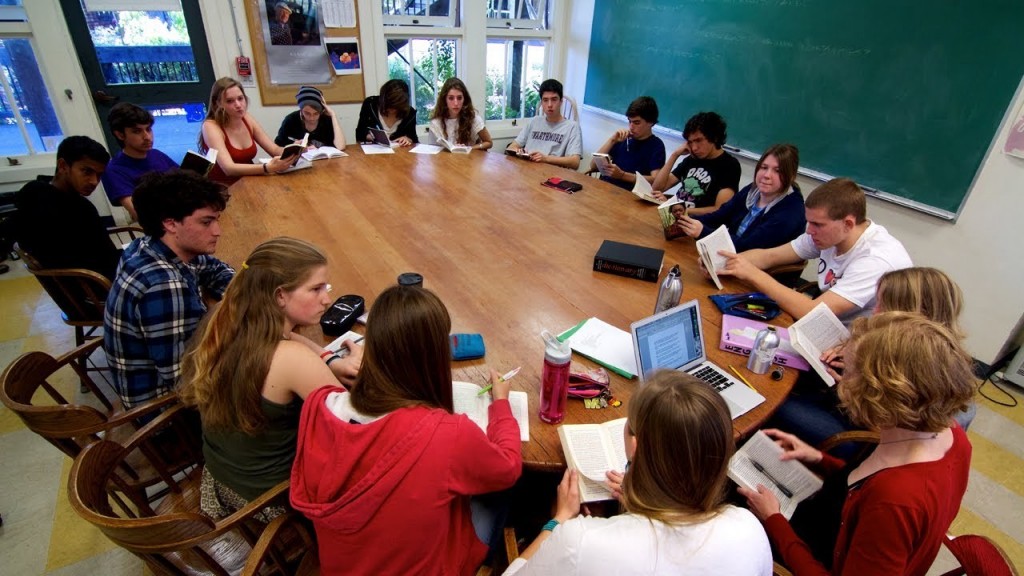
Tropical multiage classrooms are a unique and innovative educational approach that foster collaboration, personalized learning, and community building among students of different ages. In these classrooms, children from various grade levels are grouped together to learn and grow in a supportive environment that promotes creativity, independence, and social skills development.
One of the key benefits of tropical multiage classrooms is the opportunity for students to work at their own pace and level. With mixed-age groupings, children can progress academically without feeling pressured to keep up with peers who may be at a different stage in their learning journey. This flexibility allows for individualized instruction tailored to each student’s needs, strengths, and interests.
In addition to academic growth, tropical multiage classrooms also emphasize social-emotional development. By interacting with peers of different ages on a daily basis, students learn valuable communication skills, empathy, cooperation, and respect for others. They develop strong relationships with both older mentors and younger mentees, fostering a sense of belonging and interconnectedness within the classroom community.
Another advantage of tropical multiage classrooms is the promotion of collaborative learning experiences. Students have the opportunity to engage in cross-grade projects, discussions, and activities that encourage teamwork, problem-solving skills, critical thinking abilities, and creativity. Working together on shared goals fosters a sense of collective responsibility and mutual support among students.
Tropical multiage classrooms also promote a holistic approach to education by integrating various subjects into thematic units or interdisciplinary projects. This hands-on learning approach encourages exploration, experimentation, inquiry-based learning methods such as project-based learning or experiential activities that connect academic concepts with real-world applications.
Furthermore; Tropical multiage classrooms often feature flexible seating arrangements that accommodate diverse learning styles and preferences. Students have the freedom to choose where they work best – whether it’s at traditional desks or tables arranged in clusters around the room or even cozy reading nooks or outdoor spaces like gardens or courtyard areas – allowing for movement breaks throughout the day.
Moreover; Teachers play an essential role in facilitating tropical multiage classrooms by serving as guides rather than lecturers during instructional time. They act as facilitators who provide guidance; feedback encouragement while empowering students autonomy over their own learning journeys by encouraging self-reflection metacognition habits – fostering lifelong learners capable adapting changing world outside school walls.
Overall; Tropical Multi Age Classrooms offer unique opportunities for holistic personal growth through collaborative efforts between varied age groups creating cohesive communities share values beliefs about education fosters deep bonds understanding one another’s perspectives enriches overall experience every member involved making this educational model truly special impactful many ways beyond traditional schooling methods seen today truly embodying essence life-long love curiosity discovery knowledge sharing amongst all people regardless backgrounds origin stories united quest lifelong enrichment growth betterment society whole promoting positive change empowerment individuals realize full potentials capacities contributing positively vibrant global community large benefiting generations come succeed them future endeavors yet come.
 Alternative Amie
Leave a comment