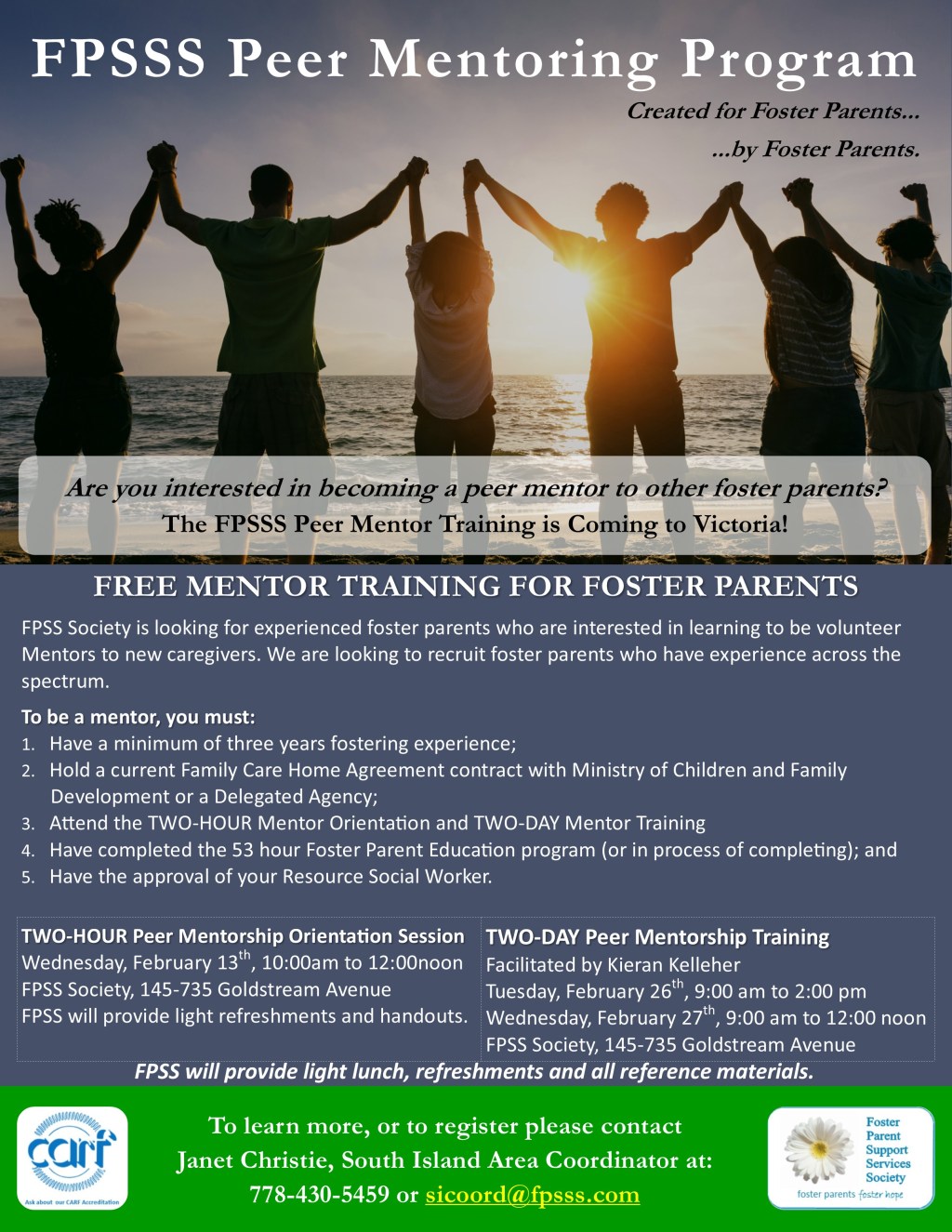
Peer mentoring programs provide invaluable support and guidance for students facing various challenges, including those with learning disabilities. Through peer mentoring, these students can receive personalized assistance from their peers who understand their struggles and can offer practical advice and encouragement.
For students with behavioral challenges, peer mentoring offers a unique opportunity to learn from others who have successfully navigated similar issues. Mentors can share coping strategies, conflict resolution techniques, and positive behavior modeling to help mentees develop healthier habits and improve their social interactions.
LGBTQ+ students may benefit greatly from peer mentoring programs that provide a safe space for them to discuss their experiences, seek advice on coming out or navigating relationships, and find support within the school community.
Students from low-income backgrounds often face additional barriers to academic success. Peer mentors can offer guidance on accessing resources, managing time effectively, and setting realistic goals to overcome financial obstacles and focus on their education.
For students with mental health issues, peer mentoring provides a supportive relationship where they can openly discuss their struggles without fear of judgment. Mentors can share coping mechanisms, encourage self-care practices, and help mentees access mental health services if needed.
Peer mentoring for students with physical disabilities focuses on promoting inclusivity and accessibility within the school environment. Mentors can assist in navigating campus facilities, advocating for accommodations when necessary, and fostering a sense of belonging among disabled students.
Immigrant or refugee students often face language barriers, cultural adjustment issues, and homesickness. Peer mentors who have experienced similar transitions can provide valuable insights into adapting to a new country’s educational system, building friendships across cultures, and maintaining connections to one’s heritage.
Students in foster care may lack stable support systems outside of school. Peer mentors can offer consistency in their lives by being reliable sources of encouragement, academic assistance, or simply someone to talk to during challenging times.
For students experiencing homelessness or housing insecurity…
 Alternative Amie
Leave a comment