Academic advising is a crucial component of a student’s educational journey, providing guidance and support throughout their academic career. While traditional schools have long offered academic advising services, alternative schooling and education programs also recognize the importance of personalized guidance to help students navigate their educational paths effectively.
In alternative schooling settings, such as homeschooling co-ops, online learning platforms, or independent study programs, academic advising takes on a unique role tailored to the individual needs and goals of each student. These non-traditional approaches to education often prioritize flexibility, self-directed learning, and personalized instruction, making academic advising even more essential in ensuring that students stay on track academically while pursuing their interests and passions.
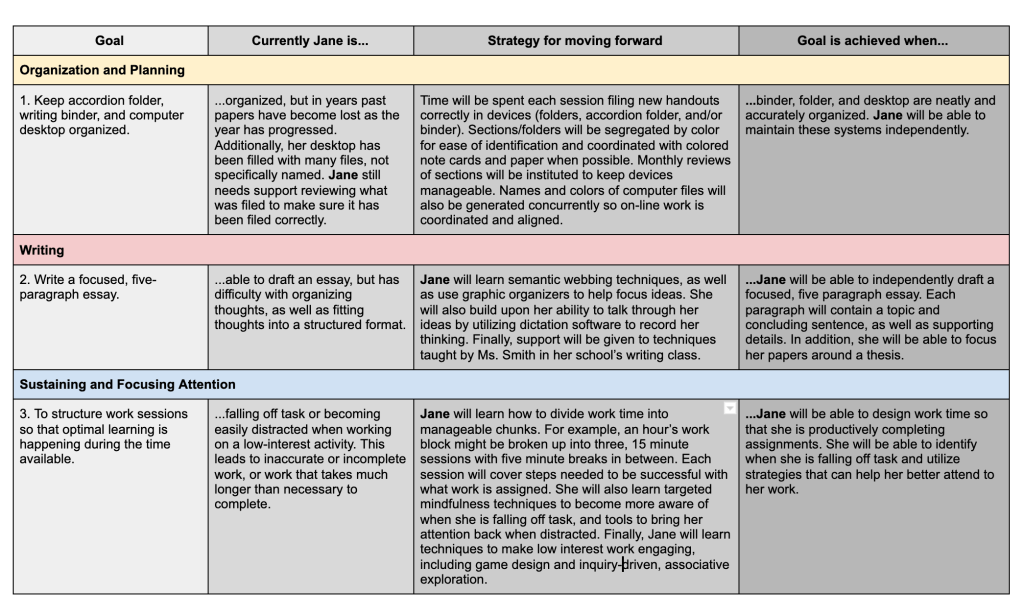
One of the key roles of academic advisors in alternative schooling environments is helping students create personalized learning plans that align with their goals and aspirations. Unlike traditional schools where curriculum is predetermined for all students, alternative education programs allow for greater flexibility in designing an individualized course of study. Academic advisors work closely with students to identify their strengths, interests, and learning styles, guiding them in selecting appropriate courses or projects that will challenge them intellectually and foster personal growth.
Additionally, academic advisors in alternative schooling settings play a vital role in supporting students’ social-emotional well-being. As many alternative education programs are smaller in scale or operate remotely, students may have limited opportunities for social interaction compared to traditional school settings. Academic advisors serve as mentors and advocates for students, providing emotional support and connecting them with resources such as counseling services or community-based activities to promote holistic development.
In addition to creating personalized learning plans and offering social-emotional support, academic advisors in alternative schooling environments also assist students with college preparation and career exploration. Many families choose alternative education options for reasons such as accelerated learning opportunities or specialized training in specific fields. Academic advisors help these students navigate the college application process by providing guidance on standardized testing requirements, compiling transcripts or portfolios showcasing their achievements,
Furthermore; they can offer valuable insights into different post-secondary pathways such as vocational training programs or apprenticeships tailored to the student’s career interests.
Moreover; In addition; They can also provide information about scholarship opportunities or financial aid options available specifically for non-traditionally educated learners.
Another important aspect of academic advising in alternative schooling contexts is promoting lifelong learning skills among students. Alternative education programs often emphasize self-directed learning strategies that empower individuals to take ownership of their educational journeys beyond formal schooling experiences. Academic advisors encourage autonomy by teaching critical thinking skills,
Moreover; problem-solving abilities;
encouraging curiosity,
Furthermore; fostering creativity;
and cultivating effective communication skills through regular check-ins,
Moreover; feedback sessions;
and collaborative projects designed to enhance overall academic performance
Overall;
The role of an academic advisor within an alternate educational structure has proven invaluable when considering how it shapes one’s path towards achieving success both academically but personally as well.
 Alternative Amie
Leave a comment