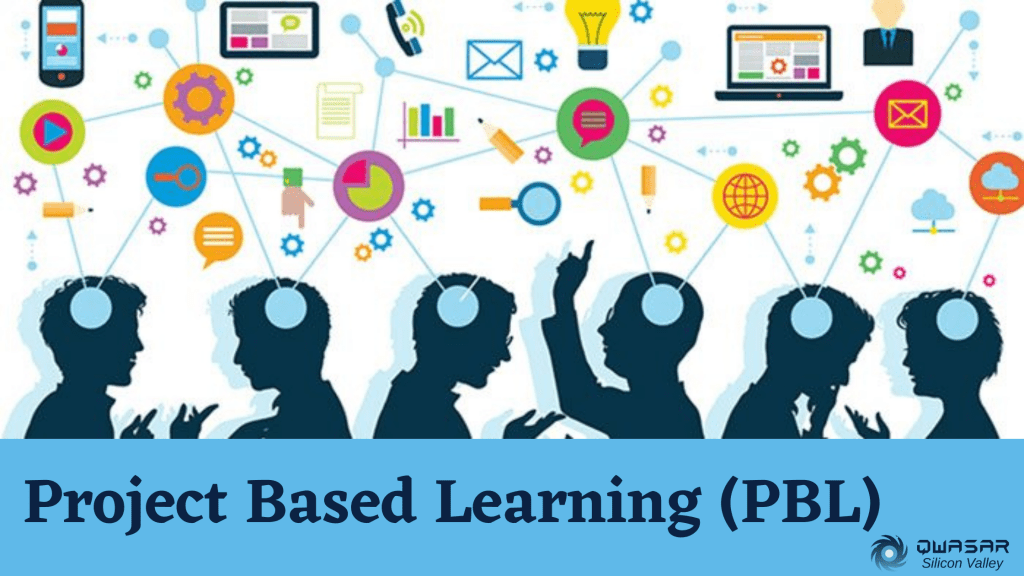
Project-based learning (PBL) is an innovative and student-centered approach to education that emphasizes real-world application of knowledge and skills. In traditional schooling, students often learn through lectures, textbooks, and exams that focus on memorization rather than understanding. However, PBL flips this model by placing students at the center of their learning experience.
In a PBL setting, students work on projects that are based on real-world problems or challenges. These projects require critical thinking, problem-solving skills, collaboration, creativity, and communication – all essential skills for success in the 21st century workforce. Instead of being passive recipients of information, students become active participants in their own learning journey.
One key benefit of PBL is its ability to engage students in meaningful ways. By working on projects that have relevance to their lives and interests, students are more motivated to learn and take ownership of their education. This can lead to increased levels of engagement both inside and outside the classroom.
Another advantage of PBL is its emphasis on collaboration. In a project-based environment, students often work in teams to complete tasks and solve problems together. This fosters a sense of community and cooperation among classmates while also preparing them for future careers where teamwork is essential.
Furthermore, PBL helps develop critical thinking skills as students are required to analyze information, evaluate options, make decisions, and defend their choices throughout the project process. This kind of hands-on experience allows students to apply what they have learned in a practical way rather than just regurgitating facts for a test.
Creativity is also nurtured through PBL as students are encouraged to think outside the box and come up with innovative solutions to complex problems. This kind of creative thinking can lead to breakthroughs and discoveries that might not have been possible in a traditional classroom setting.
Communication skills are also honed in PBL environments as students must present their findings or solutions to classmates or even external audiences such as experts or community members. This kind of public speaking builds confidence while also improving articulation and persuasion abilities – all crucial skills for success in any field.
One common misconception about PBL is that it lacks structure or rigor compared to traditional education methods. However, this couldn’t be further from the truth. In fact, successful implementation of PBL requires careful planning by educators who design projects that align with curriculum standards while also allowing room for student autonomy and creativity.
Assessment in a project-based setting looks different from traditional grading systems as well. Instead of relying solely on tests or quizzes at the end of each unit, teachers assess student performance throughout the project process using various tools such as rubrics or portfolios that showcase student work over time.
There are countless examples where schools have successfully implemented Project Based Learning with great results:
1) High Tech High: Located in San Diego,
California has gained national recognition for its commitment
to project-based learning across all grade levels.
Students here engage deeply with real-world issues
and create high-quality products such as documentaries,
scientific research papers,
art installations,and engineering prototypes.
This school has shown impressive results
in terms ofsudent achievementas wellas college acceptance rates.
2) The New Technology Network:
A networkof schools acrossthe United States
that integrates technology into every aspectof teaching
and learning.These schools utilizeproject-based learning approaches
to preparestudentsforfuturecareersinSTEMfields.
Students here develop technicalskills,suchas codingor robotics,
whilealsorefiningtheircollaborationandsocialskillsbyworkingon team projects.
3) Science Leadership Academy:
Locatedin Philadelphia,Pennsylvania,this high school empowersstudents
tobecome leadersinscienceandtechnologythrough challengingprojects.
By focusingonreal-worldeventsandexperiences,
studentshave opportunities todigdeepinto scientific topicsandsolveproblems creatively.
The schoolhasbeenrecognizedforitsinnovativeapproachestoeducation
Overall; Project-Based Learning offers numerous benefits t ostudents including increased engagement,collaboration,criticalthinkingcreativity,andcommunication skilldevelopment.However,it’simportanttonote thatsuccssfulimplementationofPBlrequires dedicatedteacherswhoarewillingtoplanthoroughly,andflexiblecurriculumthatallowsforstudentautonomyandindependentlearning.Intheschoolsexamplesmentionedabove,PBlhashelpedstudentstrulynavigate21st-centurychallenges,witheffectsseenbothacademicallyandsocially.Itis clearthatPBlisnotjustan alternative educationalmethod,butapathwaytosuccessfultomorrow’sworkforceandreallifeapplications
 Alternative Amie
Leave a comment