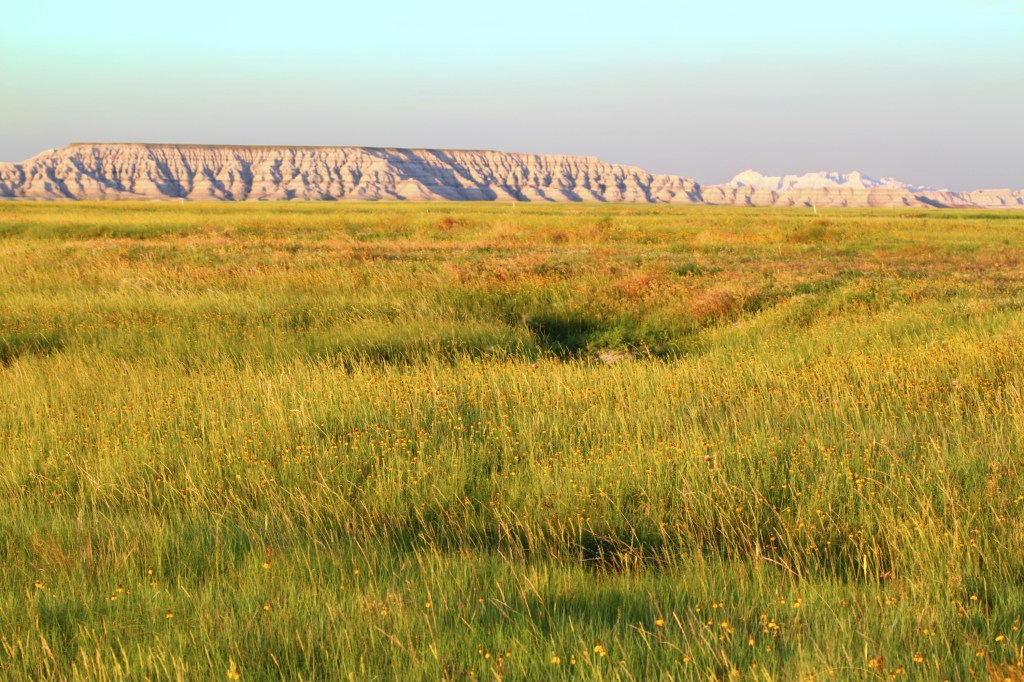
Grasslands are vast ecosystems characterized by an abundance of grasses and other herbaceous plants, with few trees or shrubs. They cover about one-quarter of the Earth’s land area and can be found on every continent except Antarctica. Grasslands are incredibly diverse ecosystems, home to a wide variety of plant and animal species adapted to this unique environment.
There are two main types of grasslands: tropical grasslands, also known as savannas, and temperate grasslands. Savannas are found in regions with warm temperatures year-round, such as Africa, South America, Australia, and parts of Asia. These areas typically have distinct wet and dry seasons, which influence the vegetation that grows there. Temperate grasslands are found in areas with cold winters and hot summers, including much of North America, Eurasia, and parts of Australia.
One key characteristic of grasslands is their fertile soil. The deep root systems of grasses help prevent erosion and improve soil structure. This makes grasslands ideal for agriculture, leading to widespread cultivation in many parts of the world. However, overgrazing by livestock and conversion of land for farming have led to significant loss of natural grassland habitats.
Despite these challenges, intact grassland ecosystems support a remarkable array of plant and animal life. Grassland plants have evolved adaptations such as deep roots to access water stored deep underground during dry periods. Common plant species in temperate grasslands include big bluestem, little bluestem, switchgrass, and buffalo grass.
Animals in the grassland biome have also developed specialized characteristics to thrive in this environment. Large herbivores like bison (North America) or wildebeest (Africa) graze on the abundant vegetation while keeping the ecosystem balanced through their feeding habits. Predators such as lions (Africa), wolves (North America), or cheetahs (Africa) hunt these herbivores as part of intricate food webs within the ecosystem.
For humans wanting to learn more about these fascinating environments firsthand or incorporate them into educational experiences for children outside traditional classroom settings – there are various ways to explore them:
1. Nature reserves: Visiting protected areas where natural grassland habitats remain relatively undisturbed can offer valuable insights into these ecosystems.
2.Field trips: Organizing field trips to local prairies or savannas can provide hands-on learning opportunities for students interested in ecology.
3.Environmental education programs: Participating in programs offered by conservation organizations or nature centers focused on preserving native grassland habitats can deepen understanding about these vital ecosystems.
4.Virtual experiences: Utilizing online resources like virtual tours or live webcams from national parks can allow individuals to observe wildlife interactions within different types of global grasslands from afar.
5.Outdoor activities: Engaging in outdoor activities like hiking or birdwatching within nearby nature reserves provides opportunities for experiential learning about local flora and fauna associated with different types of regional grassroots communities.
By exploring grassroots environments both virtually through digital media platforms – students gain a deeper appreciation for our planet’s biodiversity beyond what traditional classrooms offer alone.
In conclusion- Grasslands play a crucial role in supporting biodiversity worldwide while providing essential ecosystem services such as carbon sequestration…
 Alternative Amie
Leave a comment