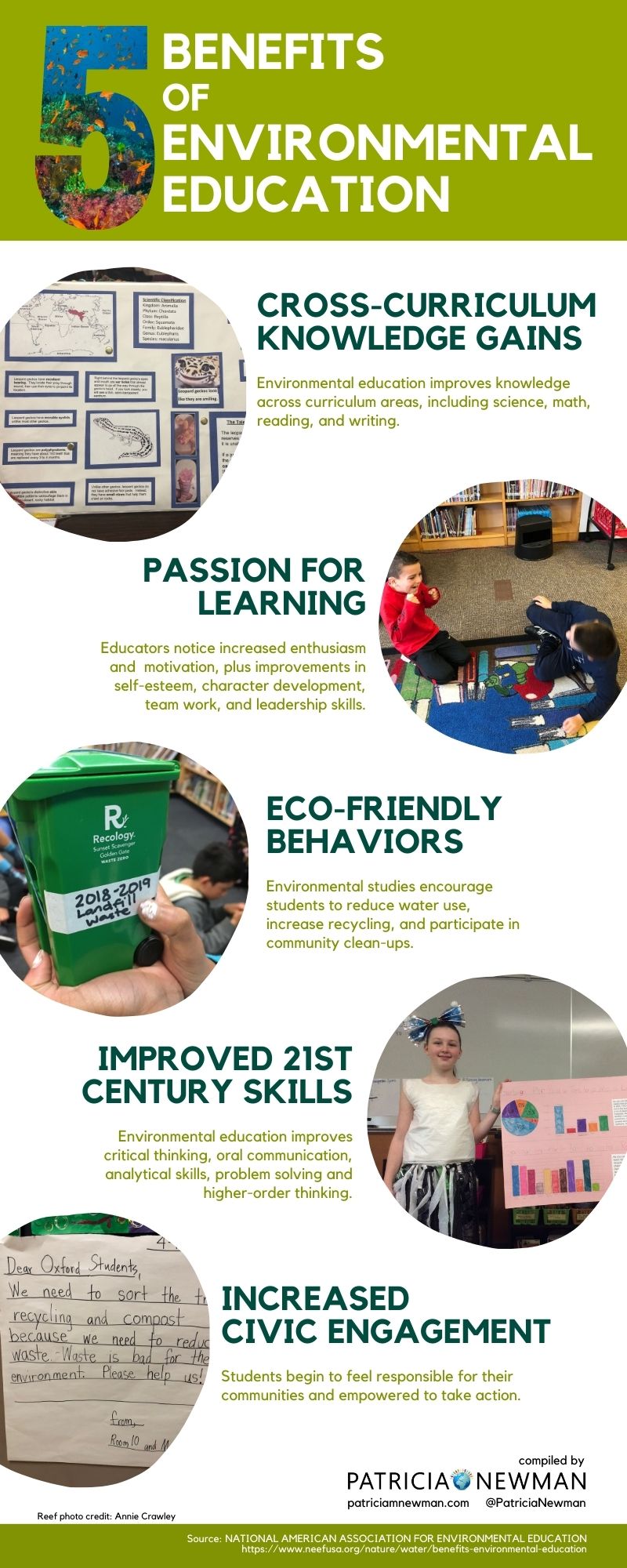
Outdoor education is a powerful learning tool that offers students unique experiences and valuable skills beyond the traditional classroom setting. Here are the top 10 reasons why outdoor education should be incorporated into school curriculums:
1. Hands-on Learning: Outdoor education provides hands-on experiences that engage all senses, making learning more memorable and impactful for students.
2. Environmental Awareness: By spending time in nature, students develop a deeper appreciation for the environment and learn about sustainability and conservation efforts.
3. Physical Health: Outdoor activities encourage physical movement, promoting overall health and well-being among students.
4. Social Skills: Working together in an outdoor setting fosters teamwork, communication, and problem-solving skills among students.
5. Confidence Building: Overcoming challenges outdoors helps build confidence and resilience in students as they push their limits and step out of their comfort zones.
6. Creativity Boost: Being surrounded by nature can inspire creativity and critical thinking skills in students as they explore new environments and perspectives.
7. Stress Reduction: Spending time outdoors has been shown to reduce stress levels, improve mood, and enhance mental health among students.
8. Real-World Application: Outdoor education allows students to apply academic concepts to real-world situations, making learning more relevant and practical.
9. Cultural Appreciation: Through outdoor experiences, students have the opportunity to learn about indigenous cultures, traditional practices, and local ecosystems firsthand.
10. Lifelong Love for Nature: By instilling a love for the outdoors at a young age, outdoor education can foster a lifelong connection to nature and encourage environmental stewardship in future generations.
Incorporating outdoor education into school curriculums can greatly benefit students academically, socially, physically, emotionally, and environmentally. It offers a holistic approach to learning that goes beyond textbooks and classrooms to cultivate well-rounded individuals with a deep respect for nature and community.
 Alternative Amie
Leave a comment