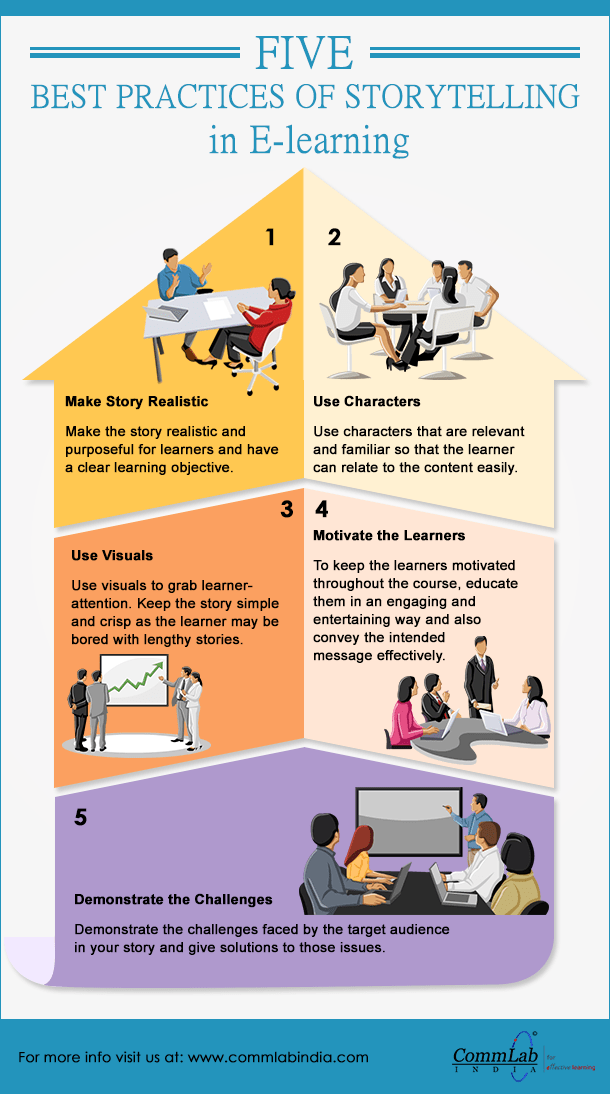
Story pacing is an essential element in creating a compelling and engaging narrative. It refers to the speed at which events unfold in a story, influencing the reader’s experience and emotional engagement with the plot. Pacing can vary throughout a story, with faster-paced sections building tension and excitement, while slower-paced moments allow for character development and reflection.
In alternative schooling and education settings, understanding how to effectively pace stories can be a valuable tool for educators looking to engage students in learning experiences that go beyond traditional textbooks and lectures. By incorporating storytelling techniques into lesson plans, teachers can capture students’ attention, spark their imagination, and deepen their understanding of complex concepts.
👉 Check it out: Shop Kindle Paperwhite on Amazon
One key aspect of story pacing is knowing when to speed up or slow down the narrative. Fast-paced action sequences or moments of high drama can create excitement and keep students on the edge of their seats. These moments are perfect for introducing new ideas or challenging students to think critically about a problem or situation.
👉 Check it out: Shop Book Light on Amazon
On the other hand, slower-paced sections allow for deeper exploration of characters’ motivations, emotions, and relationships. By taking time to delve into these aspects of a story, educators can help students develop empathy, perspective-taking skills, and emotional intelligence.
Another important consideration when it comes to pacing is maintaining balance throughout the narrative. Alternating between fast-paced scenes and slower interludes creates dynamic shifts in energy that hold students’ interest while allowing them time to process information and make connections between different elements of the story.
Moreover, varying pacing can also reflect changes in mood or tone within a lesson plan. For example, a suspenseful buildup might precede a critical thinking activity where students must solve a problem under pressure. Conversely, a reflective moment following an intense discussion could provide space for processing emotions or sharing personal insights with peers.
Ultimately, mastering story pacing in educational settings requires creativity, flexibility, and intuition on the part of educators. By honing these skills through practice and experimentation with different storytelling techniques, teachers can bring lessons to life in ways that captivate student interest while fostering deep learning experiences that resonate long after the final page has been turned.
🛒 Recommended Products
As an Amazon Associate, we earn from qualifying purchases.
Disclosure: This post contains Amazon affiliate links. As an Amazon Associate, we earn from qualifying purchases at no additional cost to you.
 Alternative Amie
Leave a comment