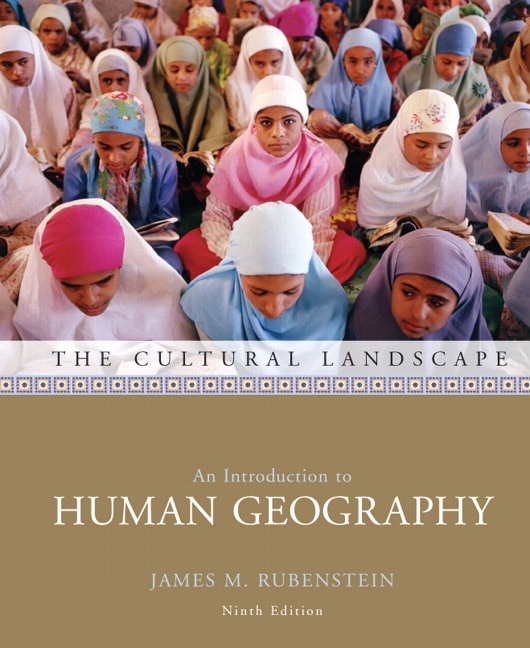
Geography is a fascinating subject that offers a unique perspective on our world and the diverse environments, cultures, and societies that make it up. For students interested in exploring different aspects of the Earth’s physical features, climates, populations, and more, geography studies can provide valuable insights and knowledge.
One key aspect of geography studies is physical geography, which focuses on understanding the Earth’s natural processes and landforms. Students learn about volcanoes, earthquakes, weather patterns, rivers, mountains, deserts, and other physical features that shape our planet. By studying physical geography, students gain an appreciation for the forces that have shaped our world over millions of years.
Another important area of geography is human geography. This branch explores how humans interact with their environment and with each other. Topics in human geography include population growth and distribution, migration patterns, urbanization trends, cultural diversity, economic activities like agriculture and industry, political boundaries and divisions among nations – all of which help students understand how people live in different parts of the world.
Geography studies also encompass environmental issues such as climate change, deforestation,
pollution impacts on ecosystems sustainability measures to protect natural resources. Through these topics,
students gain an awareness of global challenges facing us today and are equipped with knowledge to address
these pressing concerns in their future roles as informed citizens.
Beyond traditional classroom learning methods Geography Studies offer various hands-on experiences that enhance understanding real-world applications.
Field trips to local geographical sites allow students to observe firsthand concepts learned in class such as rock formations or river systems.
GIS (Geographic Information Systems) technology allows students to analyze spatial data through mapping tools helping them develop critical thinking skills related to problem-solving environmental issues.
Community involvement projects where students can apply geographic knowledge by participating in local conservation efforts or advocating for sustainable practices within their community.
Cross-disciplinary opportunities where Geography intersects with subjects like history economics politics allowing for deeper exploration into interconnected global issues shaping modern society
For those interested in pursuing careers related to Geography Studies offer many possibilities across various sectors:
Urban planning: Designing cities based on Geographic principles ensuring efficient use resources public spaces infrastructure development
Environmental management: Developing strategies for conservation restoration preserving natural habitats biodiversity
Cartography: Creating maps charts using GIS technologies accurate representations landscapes regions territories
International relations: Understanding geopolitical dynamics trade agreements conflict resolution based Geopolitical analysis
In conclusion studying Geography provides a rich educational experience that goes beyond merely memorizing facts about places around the world It fosters curiosity encourages critical thinking skills broadens perspectives promotes respect appreciation diverse cultures environments Ultimately it equips students with tools needed navigate complex global challenges create positive impact communities worldwide
 Alternative Amie
Leave a comment