Project-based learning in hybrid homeschooling can be a valuable tool for engaging students in hands-on, real-world experiences. By designing projects that require research, critical thinking, and creativity, students can deepen their understanding of various subjects while developing important skills such as problem-solving and collaboration.
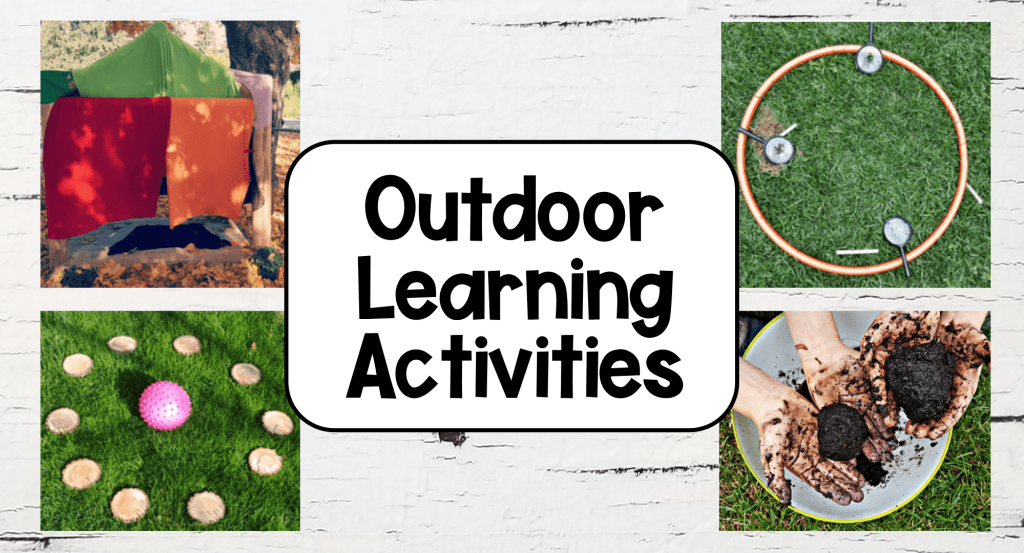
Incorporating outdoor education into hybrid homeschooling can provide numerous benefits for students’ physical and mental well-being. Outdoor activities not only offer opportunities for exercise but also allow students to connect with nature, sparking curiosity and fostering a sense of environmental stewardship.
Utilizing technology for virtual field trips is another innovative way to enhance the hybrid homeschooling experience. Virtual field trips enable students to explore new places and cultures from the comfort of their homes, providing a rich learning experience that complements traditional textbooks and lectures.
Implementing social-emotional learning (SEL) in hybrid homeschooling is crucial for supporting students’ overall development. Teaching SEL skills such as self-awareness, empathy, and resilience can help students build strong relationships, make responsible decisions, and navigate challenges effectively.
Balancing screen time with hands-on activities is essential in hybrid homeschooling to ensure a well-rounded educational experience. Incorporating hands-on experiments, art projects, or outdoor exploration can help reduce screen fatigue while promoting active learning.
Introducing mindfulness practices in hybrid homeschooling can support students’ mental health and emotional regulation. Teaching techniques such as deep breathing exercises or guided meditation can help reduce stress levels and improve focus during study sessions.
Addressing special education needs in hybrid homeschooling requires personalized support tailored to each student’s unique requirements. Collaborating with special education professionals and utilizing adaptive resources can ensure that all learners receive the necessary accommodations to thrive academically.
Cultivating a sense of community among hybrid homeschoolers is vital for creating a supportive network where families can share resources, ideas, and encouragement. Organizing virtual meetups, group projects, or co-op classes can foster connections among students and parents alike.
Exploring different assessment methods in hybrid homeschooling beyond traditional tests allows educators to evaluate student progress more holistically. Utilizing portfolios, presentations, or project showcases gives students opportunities to demonstrate their knowledge creatively.
Encouraging creativity and innovation through project-based assignments challenges students to think critically while expressing themselves authentically. Providing open-ended prompts or creative outlets nurtures individuality and fosters a love for lifelong learning.
 Alternative Amie
Leave a comment