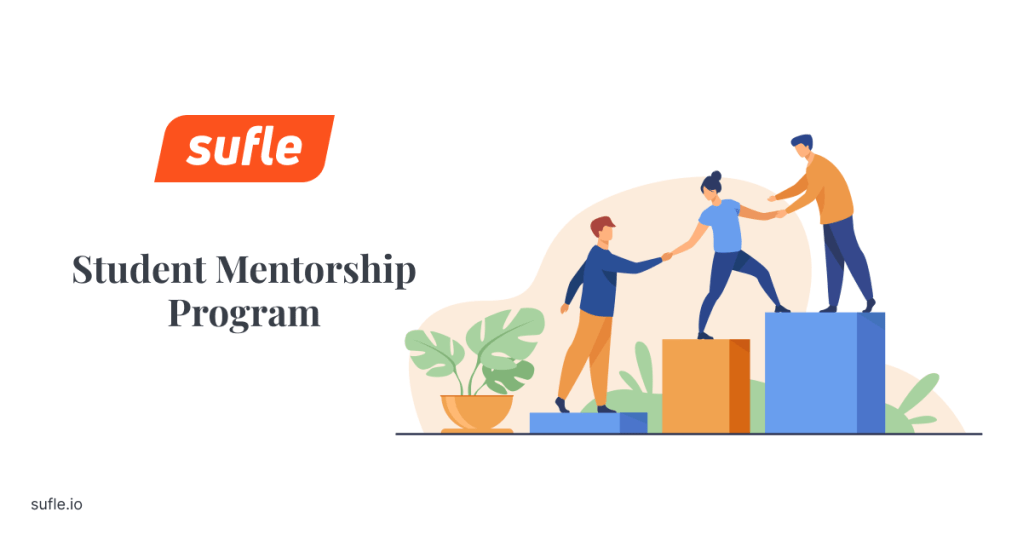
Mentorship programs play a vital role in alternative schooling and education by providing students with personalized guidance, support, and resources to help them navigate their academic journey. These programs pair students with mentors who are experienced professionals or older peers in the field of interest. The mentor serves as a role model, offering advice, encouragement, and insights to help the student set goals, develop skills, and make informed decisions about their future.
One of the key benefits of mentorship programs is that they provide individualized attention to each student. Unlike traditional classroom settings where teachers have limited time to focus on each student’s unique needs and interests, mentors can tailor their guidance to match the student’s learning style and aspirations. This one-on-one relationship fosters a sense of trust and rapport between the mentor and mentee, creating a supportive environment for personal growth and development.
Furthermore, mentorship programs offer real-world experiences that complement classroom learning. Mentors can share their own professional experiences, industry knowledge, and practical insights with students to help them understand how academic concepts apply in the real world. By participating in hands-on projects, job shadowing opportunities, or internships arranged through the program, students gain valuable skills and networking connections that can enhance their educational experience.
In addition to academic support, mentorship programs also provide social-emotional benefits for students. The mentor-mentee relationship often extends beyond academics to encompass personal development goals such as building self-confidence, improving communication skills, or overcoming challenges like time management or stress management. Mentors act as trusted allies who listen attentively to the mentee’s concerns and provide constructive feedback and encouragement along the way.
Overall, mentorship programs contribute significantly to alternative schooling by fostering a sense of community among students while empowering them to take ownership of their learning journey. By bridging the gap between formal education settings and real-world applications through personalized guidance and support from mentors who are experts in their fields or seasoned educators themselves; these programs equip students with valuable skills essential for success both academically and professionally. As more schools recognize the importance of holistic education approaches that prioritize individualized support systems like mentorship; it is likely that these initiatives will continue growing in popularity within alternative schooling environments worldwide.
 Alternative Amie
Leave a comment