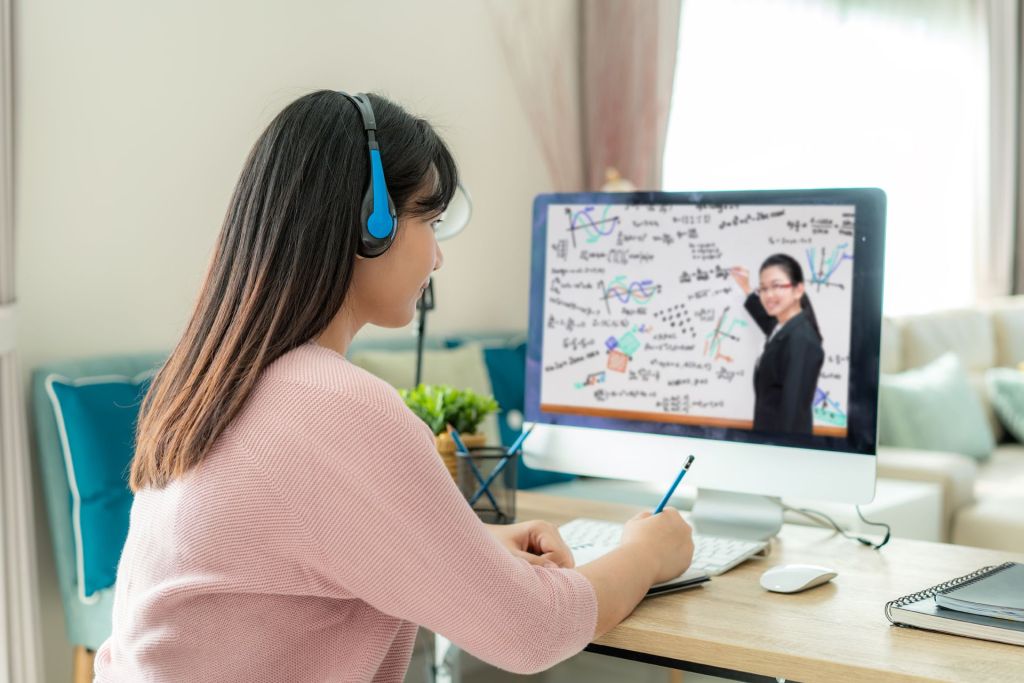
Virtual classrooms have revolutionized the way students access education, providing an interactive and engaging platform for learning. With the advent of virtual classrooms, students can attend classes from anywhere in the world, breaking down geographical barriers and providing access to quality education to all.
Online tutoring has become increasingly popular, offering personalized one-on-one support to students who may need extra help in understanding concepts or completing assignments. This individualized approach helps cater to each student’s unique learning style and pace.
Interactive learning platforms integrate multimedia elements such as videos, animations, and quizzes to make learning more engaging and effective. These platforms encourage active participation from students and allow educators to track their progress in real-time.
Gamification in education involves incorporating game elements such as points, badges, and leaderboards into the learning process. By making education more fun and interactive, gamification motivates students to stay engaged and focused on their studies.
Blended learning combines traditional classroom instruction with online resources and tools. This hybrid approach allows for a more flexible learning experience while still maintaining valuable face-to-face interactions between teachers and students.
MOOCs (Massive Open Online Courses) offer free or low-cost courses on a wide range of subjects taught by experts from around the world. These courses provide opportunities for lifelong learners to expand their knowledge without enrolling in a formal institution.
Personalized learning paths use algorithms to tailor educational content based on each student’s strengths, weaknesses, and interests. This adaptive approach ensures that learners receive targeted support where they need it most.
Adaptive learning technology adjusts the difficulty level of content based on a student’s performance, ensuring that they are continually challenged but not overwhelmed. This personalized approach promotes mastery of concepts at an individualized pace.
Digital literacy skills are essential for navigating today’s technology-driven world effectively. Online education equips students with the necessary skills to search for information online safely, evaluate sources critically, and communicate effectively through digital channels.
Remote proctoring for exams uses advanced monitoring software to ensure academic integrity during online assessments. By verifying test-takers’ identities and detecting any suspicious behavior, remote proctoring helps maintain the credibility of online exams.
Peer-to-peer collaboration online fosters teamwork among students through group projects, discussions forums, and shared assignments. Collaborative activities enhance communication skills while promoting mutual support among peers.
Synchronous vs asynchronous learning refers to real-time versus self-paced modes of instruction respectively within virtual classrooms or online courses respectively giving flexibility depending on individual preferences or circumstances.
 Alternative Amie
Leave a comment