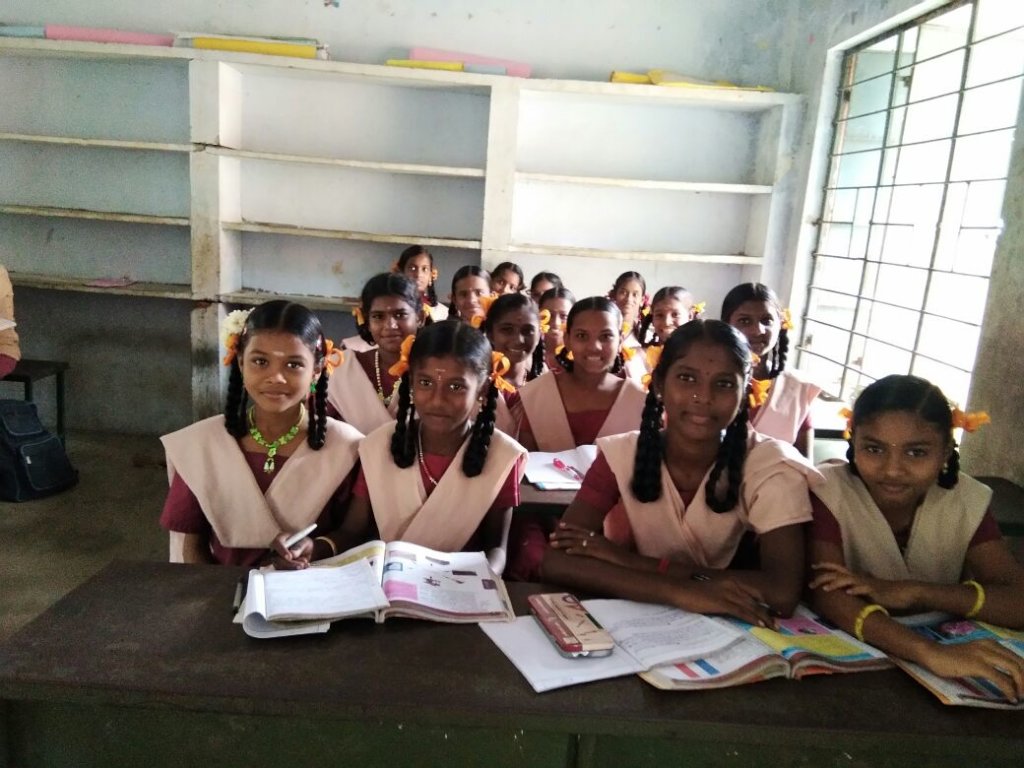
Rural communities have long been an integral part of the educational landscape, offering unique opportunities and challenges for alternative schooling and education. These communities often face distinct socio-economic conditions, limited resources, and geographic isolation that can impact the quality of education available to students. Despite these obstacles, rural areas also possess a strong sense of community, close-knit relationships, and a deep connection to nature that can be leveraged to create innovative educational experiences.
One of the key strengths of rural communities is their tight-knit social fabric. In small towns and villages, everyone knows each other, creating a supportive environment where students feel valued and nurtured. This sense of community can be harnessed to foster collaborative learning experiences, mentorship programs, and partnerships with local businesses and organizations. By tapping into existing networks and relationships, alternative schools in rural areas can provide students with real-world learning opportunities that are relevant to their lives.
Furthermore, rural communities offer abundant natural resources that can serve as valuable assets for experiential learning. From farms and forests to rivers and mountains, these environments provide rich opportunities for hands-on exploration and environmental education. Alternative schools in rural areas can take advantage of these natural settings by incorporating outdoor learning activities, sustainability projects, and place-based curriculum that connect students to their surroundings in meaningful ways.
However, it’s important to recognize the challenges faced by rural communities in providing quality education. Limited funding for schools, shortage of qualified teachers, lack of access to technology infrastructure – all these factors contribute to disparities in educational outcomes between urban and rural areas. Alternative schools operating in rural communities must address these barriers creatively by seeking out grant funding, recruiting educators from diverse backgrounds who understand the local context or leveraging online platforms for virtual learning.
Moreover,rural communities often grapple with issues such as poverty,social exclusion,and limited access healthcare which can impact children’s ability thrive academically .Alternative schools play crucial role addressing these societal challenges through holistic approach towards education.This could involve providing mental health support,counseling services,parenting resources,and nutritional programs alongside academic instruction.Through this comprehensive support system,schools help create stable nurturing environment where children flourish both academically emotionally.
In addition,rural areas tend have smaller class sizes which allows teachers offer more personalized attention individualized instruction.Students benefit from having closer relationship with their educators,receiving tailored feedback on their work,having flexibility explore interests at own pace.Such student-centered approach fosters deeper engagement higher motivation leading improved academic outcomes.In alternative school setting,this model could further enhanced by integrating project-based learning,self-directed study opportunities peer-to-peer collaboration.
On the flip side,the limited diversity within some rural communities may pose challenge promoting inclusivity equity within educational setting.Alternative schools must actively work towards creating inclusive spaces where all students regardless race gender orientation feel welcome supported.This could involve implementing diversity training workshops,hiring staff representatives various backgrounds establishing student-led equity groups promote dialogue understanding among peers.Fostering culture inclusion acceptance helps prepare students thrive diverse world outside confines small town life empowering them embrace differences celebrate uniqueness others around them
Another consideration when discussing alternative schooling in rural communities is transportation.Despite advantages living close-knit community,lack public transit options means many families rely personal vehicles get around.This poses challenge some parents getting kids school especially if they live far away or work multiple jobs.To mitigate this issue,schools could consider implementing carpooling initiatives,bus services or designated pick-up drop-off points make commuting easier families living remote locations.Efforts like ensure all students have equal access educational opportunities without being hindered by logistical constraints associated residing in countryside
Additionally,rural regions often struggle retain young professionals including teachers who may drawn larger cities better career prospects lifestyle amenities.Alternative schools located remote areas therefore need develop strategies attract retain talent ensuring continuity high-quality instruction continuity programming.Incentives such competitive salaries professional development opportunities flexible scheduling arrangements may help encourage educators settle establish roots within community fostering stability consistency academic environment.Besides retaining staff,it’s also vital cultivate culture collaboration teamwork amongst faculty members nurture positive working atmosphere where ideas innovation are encouraged shared freely benefit entire school community
Nonetheless,rural settings unique charm tranquility offer ideal backdrop fostering creativity innovation within alternative schooling sphere.By embracing distinctive features countryside—from rich cultural heritage agricultural traditions stunning landscapes—schools tap into wellsprings inspiration spark curiosity imagination among both students staff alike.Creative arts programs local history studies outdoor science experiments nature walks storytelling sessions under starlit skies—all enriching experiences uniquely possible when situated midst idyllic country setting.These immersive engaging activities not only deepen appreciation surrounding world but also instill sense wonder discovery lifelong love learning individuals involved
In conclusion,Rural communities present both challenges opportunities for developing alternative schooling models.While limitations funding staffing availability technologies still remain significant hurdles progress ,there exists vast potential harness power tight-knit social networks,natural environments rich cultural heritage unique creative energy foster innovative educational approaches.With concerted effort commitment stakeholders—including educators administrators policymakers parents—alternative schools found outskirts small towns villages pave way transformative change improving quality accessibility education every child deserves.Enriched collaborations partnerships dedicated individuals collective vision brighter future generations ahead we believe bright promising days lie ahead realm countryside schooling awaits ready embraced celebrated wholeheartedly
 Alternative Amie
Leave a comment