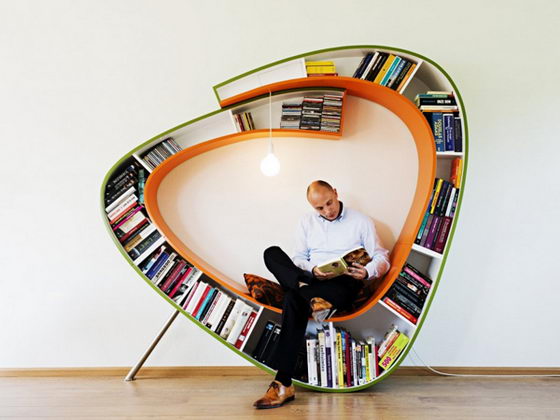
In the world of alternative schooling and education, creating an environment that fosters creativity, focus, and comfort is essential for students to thrive. One way to achieve this is by incorporating innovative furniture options that go beyond traditional desks and chairs. From standing desks to hammock chairs, these unique pieces not only provide physical benefits but also promote a dynamic learning experience.
Standing desks have gained popularity in recent years for their numerous health benefits. They allow students to alternate between sitting and standing throughout the day, reducing sedentary behavior and promoting better posture. By encouraging movement and increasing circulation, standing desks can enhance concentration and productivity in the classroom.
Bean bag chairs offer a cozy seating option that promotes relaxation and creativity. These soft, flexible seats mold to the body’s shape, providing a comfortable spot for reading or group discussions. Bean bag chairs can help students feel more at ease while studying or collaborating with classmates.
Wobble stools are another excellent choice for alternative seating in educational settings. Their unstable base encourages subtle movements that engage core muscles and improve balance. Wobble stools can help restless students stay focused during lessons by allowing them to move subtly without causing disruptions.
Floor cushions create a relaxed atmosphere in classrooms or common areas where students can gather for group activities or independent work. These versatile cushions can be easily rearranged to accommodate different seating arrangements or used as makeshift backrests for added support.
Rocking chairs offer a soothing motion that can help reduce stress and anxiety while promoting concentration. The gentle rocking movement has been shown to have calming effects on individuals, making rocking chairs an ideal choice for quiet reading corners or reflection spaces within schools.
Balance balls provide an active seating option that encourages constant micro-movements to maintain balance. Sitting on a balance ball engages core muscles and improves stability while also promoting better posture. Students may find balance balls fun and engaging alternatives to traditional chairs during class time.
Crate seats are a creative way to repurpose wooden crates into functional seating solutions for classrooms or study areas. With some padding and fabric covers, these DIY crate seats offer customizable options that add a touch of rustic charm to educational spaces while providing additional seating when needed.
Lap desks are convenient tools for students who prefer working in various locations around the school rather than being confined to traditional desk setups. These portable surfaces offer a stable platform for writing, drawing, or using electronic devices comfortably while seated on bean bags or floor cushions.
Swivel chairs provide flexibility and mobility within learning environments by allowing students to rotate freely without having to reposition their entire chair constantly. Swivel chairs make it easy for students to interact with peers during group activities or follow along with presentations from different angles without straining their necks.
Bungee chairs combine ergonomic design with modern style elements by featuring flexible bungee cords woven into supportive frames instead of traditional cushioning materials.
Hammock chairs offer a fun yet relaxing seating option that allows students
to swing gently while reading,
meditating,
or simply taking
a break from academic tasks.
The cocoon-like design provides
a sense
of security
and comfort,
making hammock chains popular choices
for chill-out zones
within schools.
Adjustable height tables cater
to individual needs
by accommodating various
seating positions—standing,
sitting,
or kneeling.
These versatile tables ensure ergonomic alignment
while supporting diverse learning styles among students.
Reclining lounge chars invite relaxation
and mindfulness practice within educational settings.
With adjustable backrests
and footrests,
these luxurious pieces encourage moments of restorative rest between study sessions.
Yoga mats serve as multipurpose tools beyond fitness classes—they provide comfortable flooring options suitable fpr stretching exercises,breathing practices,and meditation sessions within school premises.
Poufs ottomans add pops of color
and texture t0o educational spaces.whether serving as additional sea ting,durable footstools,
Meditation cushions foster mindfulness practices through comfortable sittting positions conducive
Reading nooks create inviting oases
Treadmill desks blend physical activity
Hanging cocoon chaisroffer cozy retreats
Convertible furiture presents multifunctional solutions
By integrating these innovative furniture options into alternative schooling environments,
educators can create dynamic spaces
that inspire creativity,
promote well-being,
encourage collaboration,
and support diverse learning styles.
Ultimately,
investing in unconventional furniture designs contributes
toward cultivating inclusive
interactive,
and stimulating learninig experiences
that empower student success
in nontraditional educational settings.
Throughout history,
education has evolved dramatically—from one-room schoolhouses
to virtual classrooms—and so too must the physical environments where teaching
learning take place.
Alternative schooling approaches recognize
the importance
of holistic development
among learners
by prioritizing not only academic excellence but also social-emotional growth
physical well-being.
As we continue exploring new ways
to educate future generations,
let us remember
that innovation extends beyond curricula
technologies—it encompasses every aspect of the learing experience,
including thd very space
where knowledge is imparted
Received: 2021-11-16 13:59:25 (GMT)
 Alternative Amie
Leave a comment