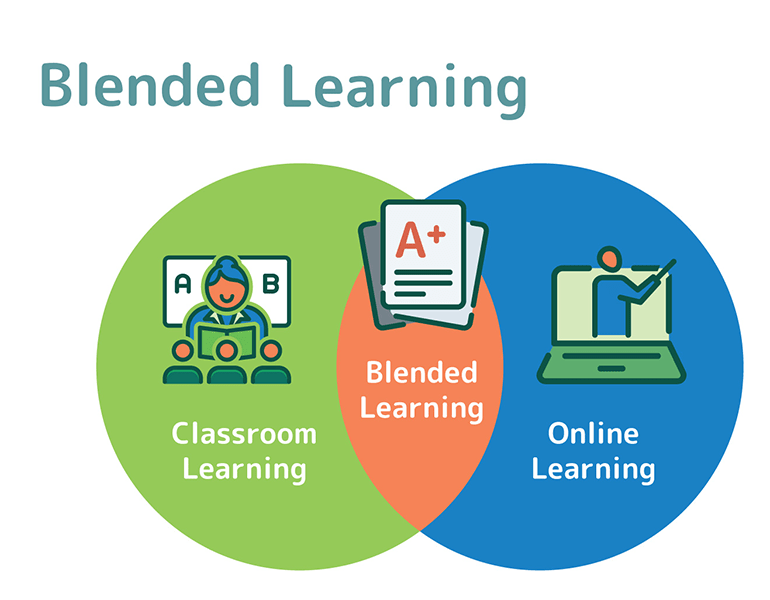
Blended Learning Approaches:
Blended learning, also known as hybrid learning, is an educational approach that combines traditional face-to-face classroom instruction with online learning activities. This model allows students to have more control over their learning experience while still benefiting from in-person interactions with teachers and peers.
There are several different models of blended learning, including the Rotation Model, Flex Model, A La Carte Model, and Enriched Virtual Model. Each model has its own unique strengths and can be tailored to meet the specific needs of individual students or schools.
One key benefit of blended learning is its ability to cater to different learning styles and paces. Students who may struggle in a traditional classroom setting can benefit from personalized online lessons that allow them to learn at their own pace. Teachers can also use data from online assessments to identify areas where students may need additional support or enrichment.
Another advantage of blended learning is the flexibility it offers both students and teachers. Students can access course materials and assignments outside of regular school hours, allowing them to review concepts or complete work at times that are most convenient for them. Teachers can also use online platforms to provide additional resources or support for students who need extra help.
Virtual Field Trips:
In traditional education settings, field trips are often used as a way to enhance student learning by providing hands-on experiences outside of the classroom. However, virtual field trips offer a new way for students to explore different places and cultures without leaving their homes.
Virtual field trips utilize technology such as 360-degree videos, interactive maps, and live webcams to transport students to various locations around the world. These trips can range from exploring famous museums and historical sites to visiting far-off countries or even outer space.
One major advantage of virtual field trips is their accessibility. Students who may not have the opportunity to participate in traditional field trips due to logistical or financial constraints can still benefit from these virtual experiences. Additionally, virtual field trips can be easily integrated into lesson plans across a wide range of subjects.
Teachers can use virtual field trips as a way to engage students in interactive learning experiences that complement their curriculum. By incorporating pre- and post-trip activities, educators can help students make connections between what they see on the virtual trip and what they are studying in class.
Overall, virtual field trips provide an innovative way for educators to bring real-world experiences into the classroom and expose students to new ideas and perspectives that may not be accessible otherwise.
Individualized Learning Plans:
Individualized Learning Plans (ILPs) are customized educational plans designed specifically for each student based on their unique strengths, weaknesses, interests, and goals. ILPs outline personalized academic goals along with strategies for achieving those goals through targeted instruction and support services.
ILPs are particularly beneficial for students with diverse learning needs or those who require accommodations or modifications in order…
 Alternative Amie
Leave a comment