Taxes are an essential aspect of our society, playing a crucial role in funding public services and infrastructure. Understanding taxes is not only important for adults but also for young individuals who are beginning to navigate the world of finances. In this article, we will delve into the various types of taxes, why they are necessary, how they work, and some tips on managing and optimizing your tax obligations.
Types of Taxes:
There are several different types of taxes that individuals may encounter throughout their lives. Income tax is one of the most common forms of taxation imposed by governments on individuals’ earnings. The amount you pay in income tax typically depends on your income level; those with higher incomes generally pay a higher percentage of their earnings in taxes.
Another type of tax is sales tax, which is levied on goods and services at the point of purchase. Sales tax rates can vary depending on the jurisdiction, and certain items may be exempt from sales tax altogether.
Property taxes are another significant form of taxation that homeowners need to be aware of. These taxes are based on the value of your property and go towards funding local government services such as schools, roads, and public safety.
Why Taxes Are Necessary:
Taxes play a vital role in financing government operations and providing essential services to citizens. Without tax revenue, governments would not be able to fund infrastructure projects like roads and bridges or maintain public institutions such as schools and hospitals.
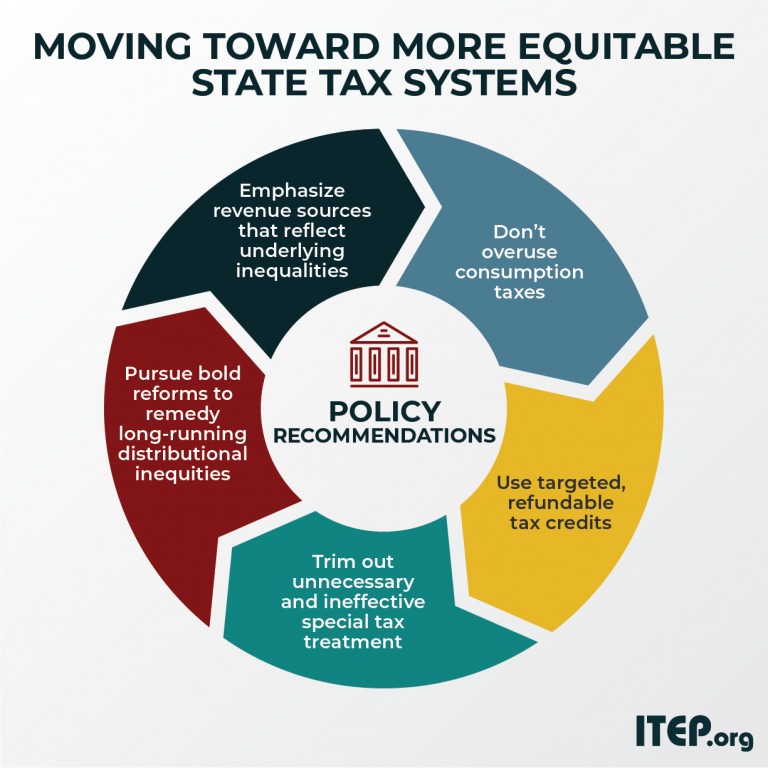
Additionally, taxes help promote economic stability by redistributing wealth through social programs like welfare or unemployment benefits. By taxing those with higher incomes at a greater rate than those with lower incomes, governments can address income inequality issues within society.
How Taxes Work:
The process for paying taxes varies depending on the type of taxation involved. For income tax purposes, individuals typically file annual returns detailing their earnings from employment or investments. Based on these figures, taxpayers calculate how much they owe in taxes or if they are entitled to a refund based on deductions and credits available to them.
Sales tax is usually handled automatically at the point-of-sale when purchasing goods or services. The vendor adds the applicable sales tax rate to your total bill before you make payment.
Property taxes are assessed by local governments based on the value of your property as determined by an appraisal process. Homeowners receive annual bills outlining their property tax obligations which must be paid by specified due dates each year.
Tips for Managing Your Taxes:
While paying taxes is unavoidable for most people, there are ways you can manage your obligations more effectively:
1) Keep accurate records: It’s essential to maintain detailed records of your income sources, expenses, deductions claimed, and any other relevant financial information needed for filing your taxes accurately.
2) Understand deductions: Take advantage of available deductions such as those related to education expenses or retirement savings contributions.
3) Seek professional advice: If you find navigating the complexities of taxation overwhelming or have unique financial circumstances (e.g., self-employment), consider consulting a certified accountant or tax advisor.
4) Plan ahead: Make sure you’re aware of key deadlines for filing returns or making payments so that you can avoid penalties or interest charges.
5) Stay informed: Tax laws can change frequently so it’s crucial to stay up-to-date with any developments that may impact your financial situation.
In conclusion,
Understanding taxes is an important life skill that everyone should strive to acquire early on. By familiarizing yourself with different types of taxation systems , learning why they’re necessary , understanding how they work ,and applying sound strategies for managing them effectively,you’ll empower yourself financially while contributing positively towards building stronger communities through proper funding allocation .
 Alternative Amie
Leave a comment