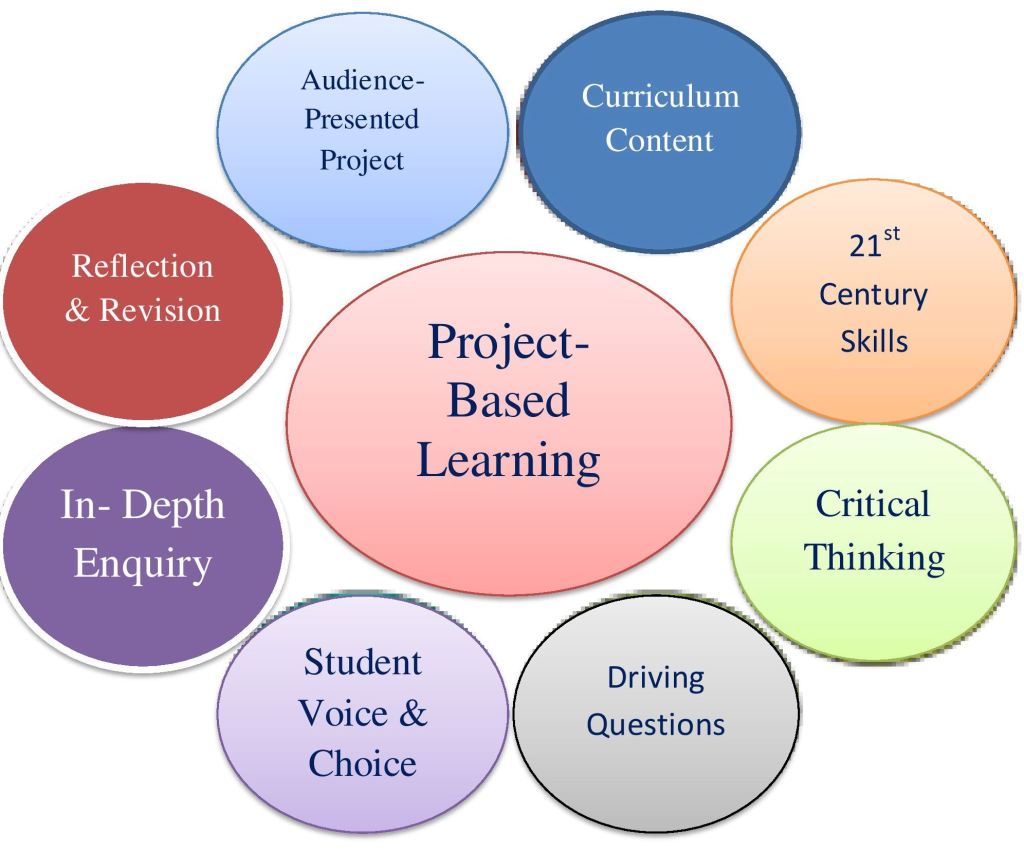
Project-based learning (PBL) is a teaching method that allows students to gain knowledge and skills by working for an extended period of time to investigate and respond to an authentic, engaging, and complex question, problem, or challenge. PBL encourages students to collaborate with their peers, think critically, communicate effectively, and develop their creativity. By working on projects that have real-world applications, students are able to see the relevance of what they are learning in the classroom.
Peer-to-peer teaching is a valuable strategy where students learn from each other through collaboration and cooperation. This approach not only enhances academic performance but also fosters social skills such as communication, empathy, and teamwork. Peer-to-peer teaching can take various forms such as peer tutoring, group projects, study groups, or presentations. Students often feel more comfortable asking questions or seeking help from their peers compared to teachers which can create a supportive learning environment.
Gamification in education involves incorporating elements of game design into educational activities to make learning more interactive and engaging for students. By adding elements like points systems, rewards, competition, levels, and challenges into lessons or assignments educators can motivate students to stay focused and actively participate in their own learning process. Gamification has been shown to increase student motivation and engagement leading to improved academic outcomes.
Personalized learning plans cater to individual student’s needs by allowing them to set goals based on their interests, abilities, and learning styles. Educators work with each student to create a customized plan that includes specific objectives along with strategies for achieving them. Personalized learning plans empower students by giving them more control over their education while providing teachers with insights on how best to support each student’s growth.
Experiential learning emphasizes hands-on experiences as a primary way of understanding concepts and developing skills. Through activities such as experiments, field trips or simulations students are able engage directly with the material being taught making it more memorable and meaningful. Experiential learning helps bridge the gap between theory learned in the classroom and practical application in real-life situations.
Self-assessment strategies encourage students to reflect on their own progress towards achieving academic goals by evaluating their strengths and areas needing improvement independently. By assessing themselves regularly using criteria provided by teachers or rubrics created together with peers they become more self-aware learners who take ownership of their own education journey.
Mindfulness practices in education promote mental wellbeing among both educators and students through techniques like meditation breathing exercises yoga or mindful eating practices these practices have been shown reduce stress anxiety improve focus attention span cognitive function emotional regulation overall well-being Mindfulness helps create calm positive classroom environments conducive optimal
Virtual field trips offer opportunities for exploration without leaving the classroom thanks advanced technology such virtual reality augmented reality platforms Students visit far-off locations historical sites museums interact experts professionals different fields expanding horizons broadening perspectives enhancing understanding subject matter Virtual field trips bring subjects life creating immersive experiences drive curiosity engagement
Integrating technology self-paced enables learners progress at own speed tailored individual requirements preferences Technology tools online resources educational apps interactive platforms provide flexibility autonomy personalization instruction allowing mastery content before moving onto next challenge Teachers serve facilitators guides rather than sole providers information promoting independent critical thinking problem-solving skills
Outdoor education opportunities allow explore natural environments engage hands-on experiential activities environmental science conservation physical fitness team-building survival skills Outdoor education promotes holistic development health wellness fostering appreciation nature sustainability stewardship While outdoors children encouraged curious observant analytical creative connect surroundings meaningful ways positively impacting overall growth development
Culturally responsive teaching methods recognize diverse backgrounds experiences perspectives within classroom ensuring every student feels included valued respected Teachers incorporate culturally relevant materials examples stories celebrations traditions curriculum reflecting diversity present society Culturally responsive teaching promotes equity inclusion social justice while empowering all learners succeed thrive academically socially emotionally
Inquiry-based learning centers around posing questions problems scenarios spark curiosity stimulate critical thinking investigation discovery Students encouraged explore topics depth research analyze findings draw conclusions share insights classmates Inquiry-based approach fosters independence creativity innovation develops essential lifelong skills information literacy communication collaboration adaptability decision-making confidence
Student-led conferences shift traditional parent-teacher conference model one where children actively involved reflecting setting goals presenting achievements Parents guardians listen input child’s perspective accomplishments challenges future aspirations encouraging responsibility accountability Student-led conferences foster communication collaboration empowerment agency young individuals promoting self-reflection goal-setting effective communication interpersonal skills
Community partnerships offer invaluable real-world learing opportunities connecting schools local businesses organizations institutions Community partners may provide mentorships internships job shadowing volunteer projects workshops guest speakers field trips These collaborations enhance curriculum relevance authenticity exposing students range career paths industries community issues challenges solutions Community partnerships enrich educational experience preparing youth success future endeavors
Social-emotional earning SEL focuses developing intrapersonal interpersonal competencies necessary understand manage emotions build positive relationships demonstrate empathy cultivate kindness make responsible decisions SEL programs initiatives teach vital life soft-skills emotional intelligence resilience stress-management conflict resolution teamwork leadership Self-awareness self-management social awareness relationship building responsible decision-making key components SEL contributing overall personal academic success well-being individuals communities schools settings Differentiated instruction techniques accommodate diverse range learners varying abilities interests readiness levels Learning differentiated according pace preferred style Multiple modalities instructional approaches materials assessments used address individual needs ensure every student challenged supported achieve full potential Differentiated instruction creates inclusive classrooms where diversity celebrated strengths appreciated weaknesses addressed metacognitive strategies independent enable monitor regulate cognition metacognition encompasses planning organizing directing attention reflecting memory utilization affective domain Metacognitive strategies include setting goals monitoring comprehension selecting appropriate reading strategies evaluating progress adjusting needed These reflective processes enhance critical thinking problem-solving higher-order reasoning enabling become autonomous proficient The use reflective journaling complements self-paced provides tool record observations thoughts feelings reactions experiences Reflective journals promote introspection mindfulness metacognition fostering deeper understanding connections content improving retention recall Creative expression arts offers outlet channel emotions thoughts ideas visually verbally musically kinesthetically Various art forms painting drawing sculpting dancing acting writing singing provide means self-expression exploration experimentation develop creativity imagination fine motor coordination spatial reasoning artistic expression stimulates brain activity aiding cognitive development Creative arts integration across subjects enhances engagement retention deepens conceptual understanding building growth mindset pivotal belief ability improve grow effort perseverance resilience facing challenges setbacks Growth mindset cultivated emphasizing power yet concept Carol Dweck Individuals fixed view intelligence talents tend avoid risks fear failure whereas those embrace idea strive learn persevere difficulties ultimately achieve greater success Building growth mindset instills sense optimism determination motivation willingness accept feedback criticism adopt innovative approaches seek continuous improvement open-mindedness adaptable qualities essential navigating ever-changing world rapid advancements uncertainties Conclusion Alternative schooling approaches aim nurture holistic development addressing intellectual emotional social physical spiritual aspects individuals Education goes beyond imparting knowledge facts figures equips tools capabilities face complexities uncertainties 21st century Embracing innovative methodologies personalized experiential socially emotionally engaging tailored meet needs diverse learners crucial cultivating lifelong love inquiry discovery continuous growth Learning journey intertwined personal societal transformation embracing alternative schooling pedagogies paradigms shape future generations global citizens equipped navigate complexities contribute positively evolving world
 Alternative Amie
Leave a comment