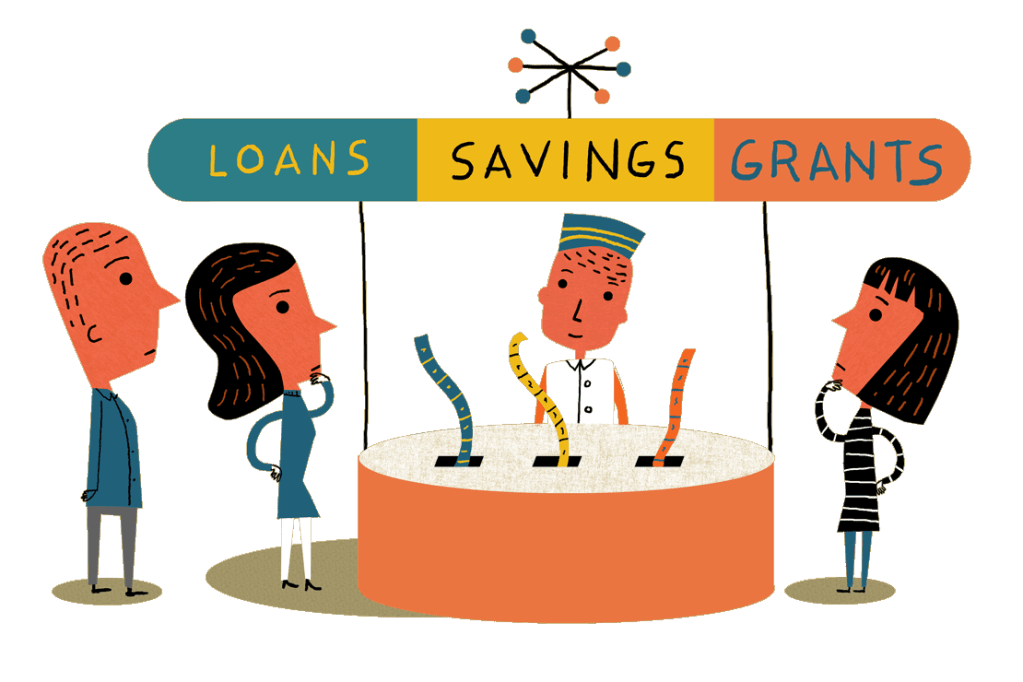
Financial aid is a critical component for many students pursuing higher education, especially those attending alternative schooling and educational programs. These unconventional learning paths can offer unique opportunities for individuals seeking alternatives to traditional college experiences. However, the cost of these programs can sometimes be a barrier to entry. That’s where financial aid comes in.
Here are 15 types of financial aid that can help make alternative schooling and education more accessible:
1. **Grants**: Grants are funds typically provided by the government or private organizations that do not need to be repaid. They are often awarded based on financial need or specific criteria set by the grant provider.
2. **Scholarships**: Like grants, scholarships do not have to be repaid and are usually awarded based on merit, such as academic achievement, athletic ability, or other talents. Many alternative schools and educational programs offer scholarships to attract diverse talent.
3. **Work-Study Programs**: These programs allow students to work part-time while studying to earn money toward their education costs. This can provide valuable work experience along with financial assistance.
4. **Federal Student Loans**: The U.S. Department of Education offers low-interest loans to help students cover the cost of their education. Alternative school students may also qualify for federal student loans.
5. **Private Student Loans**: In addition to federal loans, private lenders such as banks and credit unions offer student loans that can help bridge the gap between the cost of attendance and other forms of financial aid.
6. **Tuition Reimbursement Programs**: Some employers offer tuition reimbursement as part of their benefits package, allowing employees to pursue further education while working full-time.
7. **Veterans Benefits**: Veterans and active duty service members may be eligible for educational benefits through the GI Bill or other military assistance programs.
8. **Educational Savings Accounts (ESAs)**: ESAs allow families to save money for educational expenses in tax-advantaged accounts that can be used for alternative schooling costs.
9. **529 Plans**: These savings plans are designed specifically for education expenses and offer tax advantages when used for qualified educational costs at eligible institutions.
10 .**Crowdfunding Platforms**: Online platforms like GoFundMe or Kickstarter allow individuals to raise funds from friends, family, and supporters for educational pursuits including alternative schooling options.
11 .**Community Scholarships & Foundations**: Local organizations, businesses, and foundations often provide scholarships specifically aimed at supporting students within their community pursuing non-traditional educational paths.
12 .**Nonprofit Organizations & Charities**: Various nonprofit organizations and charities offer financial assistance programs tailored towards individuals seeking alternative forms of education such as vocational training or skill-building courses
13 .**Merit-Based Financial Aid Programs:** Some schools offering alternative learning opportunities have merit-based financial aid options available based on academic performance or other achievements rather than solely focusing on financial need
14 .**Research Grants & Fellowships:** Students engaged in research projects at alternative schools may be eligible for grants or fellowships from academic institutions or research organizations supporting innovative studies
15 .**Sponsorship Opportunities:** Companies looking to support innovation in different fields may sponsor students attending specialized programs at alternative schools in exchange for research collaborations or future employment possibilities
In conclusion, there are various avenues through which individuals pursuing alternative schooling options can access financial aid resources.
By exploring these 15 types of financial assistance listed above—ranging from traditional sources like grants,scholarships,tuition reimbursement,to more innovative approaches like crowdfunding,crowdsourcing,and sponsorship opportunities—students can find ways tto make their eduactional goals more attainable while minimizing economic barriers.
Financial aid plays a crucial role in making higher education accessible regardless
of an individual’s background,personal circumstances,family income level.Awareness about these resources is key,and it’s importantfor prospective studnets consideringalternativeeducational pathways totake advantage fothe finanacial ssistance availableto them.This list servesas a starting pointin navigatingthe complex landscapeof fundingoptionsforalternativeeducationandencouragesindividualsto seek outadditionalinformationandsupportfromfinancialaidoffices,schoolcounselors,privateorganizations,and onlineplatformsdedicatedto helpingstudentssuccessfullyfinance theirlearningjourneys.
 Alternative Amie
Leave a comment