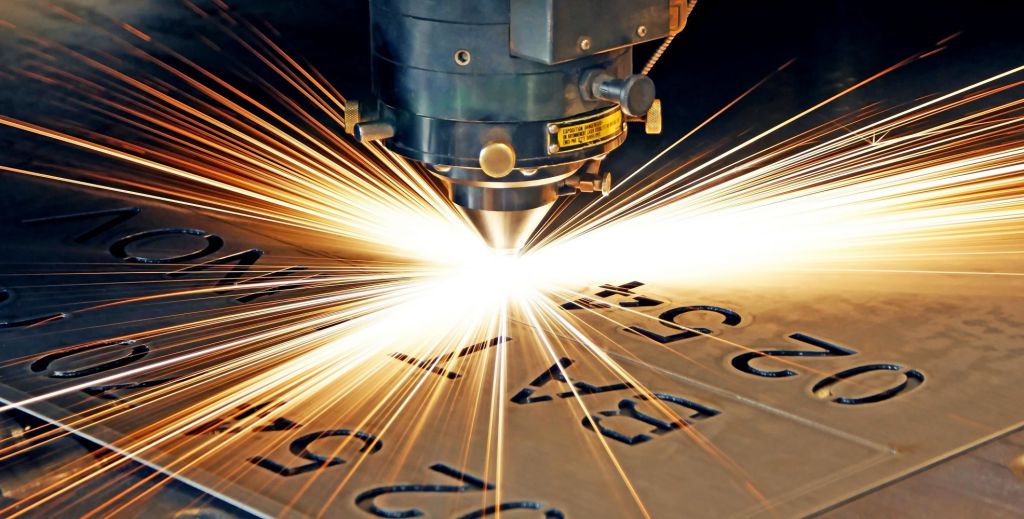
Laser cutting is a popular and versatile technology that has found its way into various fields, including art, design, engineering, and manufacturing. It works by directing a high-powered laser beam onto the surface of a material, which melts, burns, or vaporizes away to create precise cuts and shapes. This process offers numerous benefits over traditional cutting methods such as increased precision, speed, and flexibility.
Here are some commonly asked questions about laser cutting:
Q: What materials can be cut using laser cutting?
A: Laser cutting can be used on a wide range of materials, including metals (such as steel, aluminum, and copper), plastics (acrylic, polycarbonate), wood (plywood and MDF), fabrics (leather and textiles), paper products, foam boards, rubber sheets, and more. The key factor in determining if a material can be cut with a laser is its ability to absorb the laser energy.
Q: How precise is laser cutting?
A: Laser cutting offers exceptional precision compared to other cutting methods. The width of the cut line can be as small as 0.1mm or even less in some cases. This level of accuracy allows for intricate designs and complex patterns that would be challenging to achieve with conventional tools.
Q: What are the advantages of using laser cutting?
A: Laser cutting provides several advantages over traditional cutting methods. It produces clean edges without any burrs or rough spots. The process is non-contact which means there is no physical force applied to the material being cut resulting in minimal distortion or warping. Additionally, it allows for highly detailed designs with intricate patterns while maintaining high efficiency and speed.
Q: Are there any limitations to laser cutting?
A: While laser cutting excels at many tasks there are some limitations to consider. Certain materials may not be suitable for laser processing due to their composition or properties – for example highly reflective surfaces like polished metals might reflect back the beam causing damage to the machine’s optics or safety concerns regarding fumes when working with certain plastics should also be taken into account.
Q: Can anyone use a laser cutter?
A: While operating a basic desktop-sized laser cutter may not require extensive training or expertise beyond learning how to operate the machine safely; larger industrial-grade lasers do require specialized knowledge on settings such as power levels speeds focal lengths etc… so proper training should always precede usage.
In conclusion,laser Cutting technology has revolutionized manufacturing processes across various industries offering unparalleled precision,speed,and versatility making it an indispensable tool for creators makers hobbyists engineers designers alike
 Alternative Amie
Leave a comment