Collaborative learning has become an integral part of modern education, allowing students to work together, share knowledge, and develop essential skills for the future. However, peer assessment in collaborative learning can sometimes pose challenges.
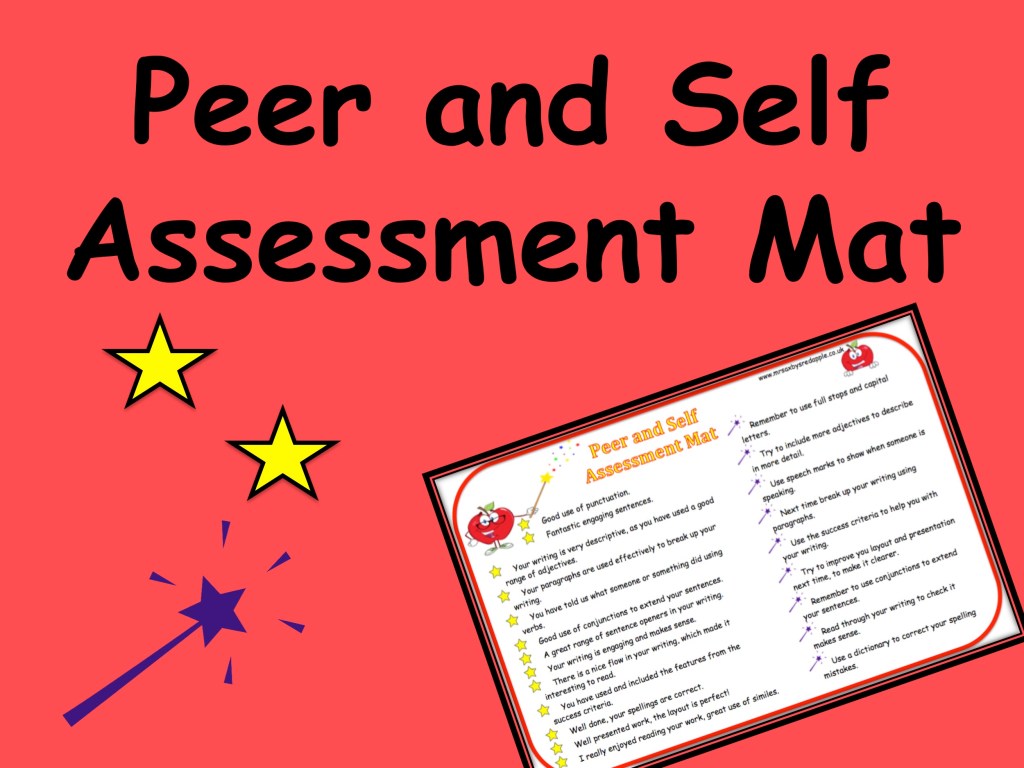
Peer assessment involves students providing feedback on their peers’ work, which can be a valuable tool for improving learning outcomes. It encourages students to critically evaluate each other’s contributions and provides them with a deeper understanding of the subject matter. Additionally, peer assessment helps foster a sense of responsibility and accountability among group members.
One challenge of group projects in alternative schooling is ensuring that all team members actively participate and contribute equally. Some students may dominate discussions or tasks, while others may shy away from participation altogether. To address this issue, teachers can implement strategies such as assigning specific roles to each student, setting clear expectations for individual contributions, and fostering open communication within the group.
Incorporating technology in collaborative learning can enhance student engagement and facilitate communication among group members. Online platforms and tools allow students to collaborate virtually, share resources easily, and work on projects remotely. Technology also enables teachers to track progress more effectively and provide timely feedback to students.
Cross-cultural collaboration in education is essential for promoting diversity and global awareness among students. By working with peers from different cultural backgrounds, students gain valuable insights into different perspectives and learn to appreciate cultural differences. Teachers can promote cross-cultural collaboration by encouraging open dialogue about diverse experiences and facilitating opportunities for meaningful interaction among students.
Introverted students play a crucial role in collaborative settings by offering unique perspectives and thoughtful insights. Teachers should create inclusive environments where introverted students feel comfortable expressing themselves and contributing to group discussions at their own pace.
Implementing self-directed learning within groups allows students to take ownership of their educational journey while still benefiting from collaborative experiences. By setting goals collaboratively and holding each other accountable for their progress, students develop autonomy and critical thinking skills.
Addressing conflicts within collaborative learning groups is crucial for maintaining positive relationships among team members. Teachers can teach conflict resolution strategies such as active listening, compromise, and empathy to help students navigate disagreements constructively.
Overall, collaborative learning offers numerous benefits for student growth and development but requires careful planning,
facilitation,
and support from educators.
By addressing challenges proactively
and implementing effective strategies,
teachers can create
engaging
and enriching
collaborative
learning experiences
for all learners.
 Alternative Amie
Leave a comment