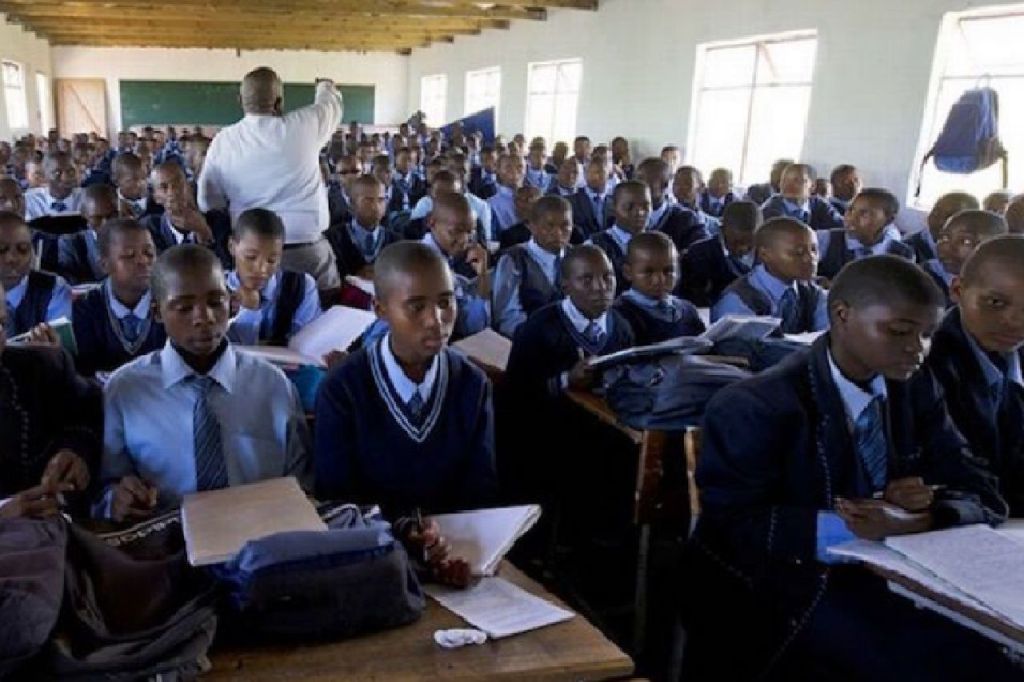
Nigeria is a diverse and vibrant country located in West Africa. It is known for its rich cultural heritage, bustling cities, and beautiful landscapes. With a population of over 200 million people, Nigeria is the most populous country in Africa and the seventh most populous country in the world.
One of the key aspects of education in Nigeria is that it is compulsory for children to attend school for at least nine years. The education system in Nigeria consists of six years of primary school, three years of junior secondary school, and three years of senior secondary school. After completing secondary school, students have the option to attend a university or vocational training institute.
In recent years, there has been a growing interest in alternative schooling and education options in Nigeria. Alternative schools offer non-traditional approaches to learning that cater to individual student needs and interests. These schools often focus on experiential learning, project-based learning, or other innovative teaching methods.
One example of alternative schooling in Nigeria is homeschooling. Homeschooling allows parents to educate their children at home rather than sending them to traditional schools. This approach gives families more flexibility and control over their child’s education while also providing personalized attention and support.
Another alternative education option gaining popularity in Nigeria is Montessori schools. Montessori education emphasizes hands-on learning, self-directed activity, and collaborative play. This approach fosters creativity, independence, and critical thinking skills in students from a young age.
Some communities in Nigeria have also established community-based schools as an alternative to government-run schools. These schools are often run by local organizations or individuals who are passionate about providing quality education to children in their area. Community-based schools may offer unique programs or initiatives that cater to specific needs within the community.
In addition to these alternative schooling options, there are also various online platforms and resources available for students seeking flexible learning opportunities. Online courses allow students to learn at their own pace from anywhere with an internet connection. This can be especially beneficial for students who may not have access to traditional educational institutions due to distance or other constraints.
One challenge facing alternative schooling options in Nigeria is ensuring quality standards and accreditation. While many alternative schools provide innovative approaches to education, it is important for parents and students to research these options carefully before enrolling. Accreditation from recognized educational bodies can help ensure that students receive a high-quality education that meets national standards.
Despite challenges, alternative schooling continues to grow as a viable choice for many families in Nigeria seeking different educational experiences for their children outside of traditional settings. By offering diverse approaches tailored to individual needs and interests, alternative schooling plays an important role in expanding educational opportunities across the country.
Overall, Nigeria’s dynamic landscape offers a variety of alternatives beyond conventional public or private schooling models—providing families with choices that align with their values while fostering creativity and lifelong learning skills among future generations.
 Alternative Amie
Leave a comment