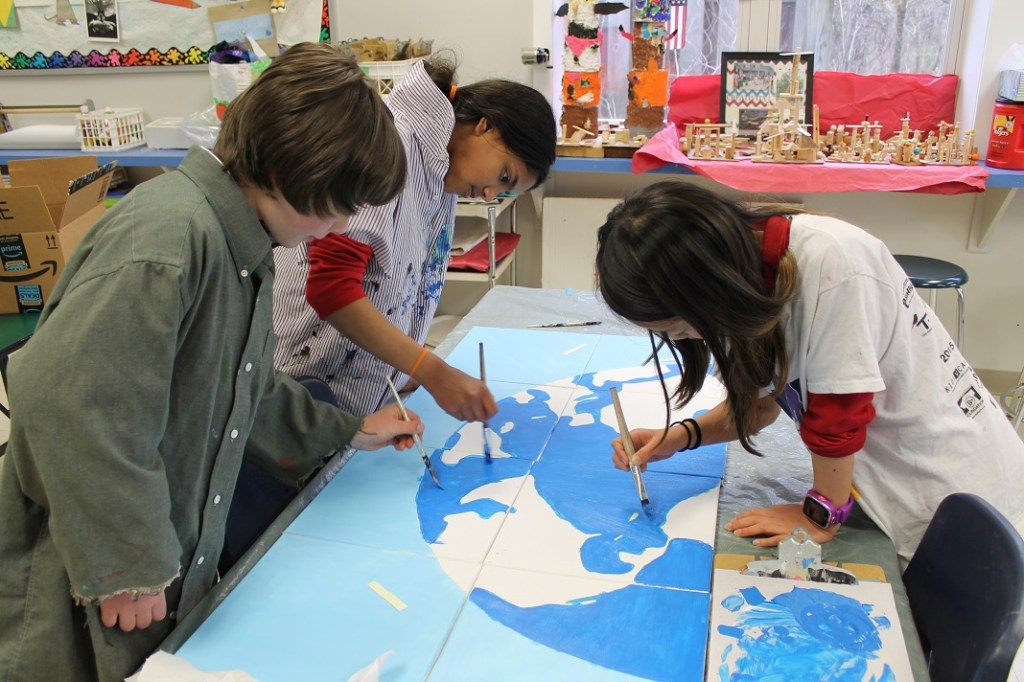
Incorporating arts and music into the curriculum of a hybrid program can greatly benefit students by providing them with a well-rounded education that nurtures creativity, critical thinking skills, and emotional intelligence. As more schools adopt hybrid learning models that combine in-person instruction with online learning, it is important to recognize the value of including arts and music in the curriculum to enhance the overall educational experience for students.
Arts education has been shown to improve academic performance by fostering creativity and innovation. By engaging in activities such as painting, drawing, or sculpture, students are able to develop their problem-solving skills and think outside the box. Similarly, music education has been linked to improved cognitive abilities, language development, and mathematical skills. Learning how to play an instrument or sing can also boost self-confidence and self-expression among students.
In a hybrid program where students may spend less time in traditional classroom settings, incorporating arts and music provides a much-needed outlet for self-expression and stress relief. These subjects offer a break from traditional academic subjects while still promoting valuable skills that can benefit students both inside and outside of the classroom.
Furthermore, arts and music can help foster a sense of community among students in a hybrid program. Collaborative projects such as creating art installations or performing musical pieces together can strengthen relationships among peers and create a supportive learning environment.
Overall, integrating arts and music into the curriculum of a hybrid program is essential for providing students with a comprehensive education that values creativity, critical thinking, emotional intelligence, and collaboration. By recognizing the importance of these subjects alongside core academic areas, schools can better prepare students for success in all aspects of their lives.
 Alternative Amie
Leave a comment