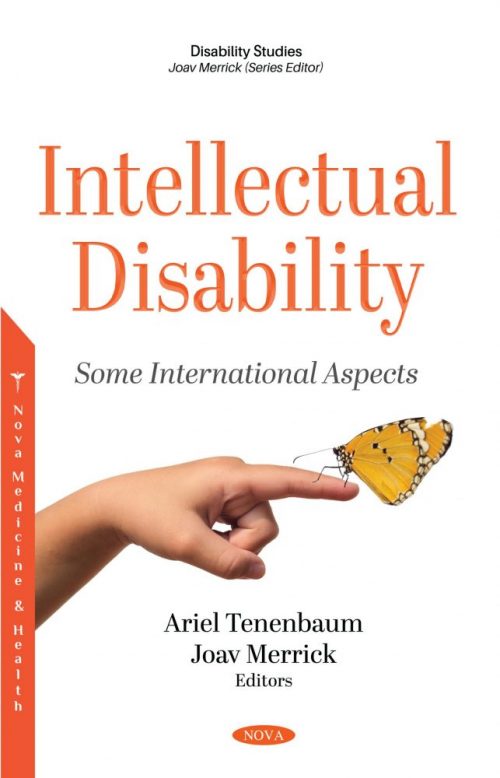
Intellectual Disability is a developmental disorder that affects an individual’s cognitive abilities and adaptive functioning. It is characterized by limitations in intellectual functioning and difficulties in everyday activities such as communication, social skills, and independent living. People with intellectual disabilities may learn at a slower pace than their peers and may require additional support to reach their full potential.
There are various causes of intellectual disability, including genetic conditions (such as Down syndrome), prenatal exposure to toxins or infections, complications during childbirth, and environmental factors. Intellectual disability is typically diagnosed in childhood through standardized testing that measures intelligence quotient (IQ) and assessments of adaptive functioning.
It’s important to note that each person with an intellectual disability is unique and may have different strengths, challenges, and support needs. Some individuals with intellectual disabilities may have mild impairments and be able to live independently with minimal assistance, while others may require more intensive support throughout their lives.
Education plays a crucial role in the development of individuals with intellectual disabilities. Alternative schooling options can provide tailored interventions and support services to help students with intellectual disabilities thrive academically, socially, and emotionally. Special education programs offer individualized instruction based on each student’s specific needs and abilities.
In alternative schooling settings for students with intellectual disabilities, educators use differentiated instruction techniques to accommodate diverse learning styles and abilities. This approach allows teachers to adapt their teaching methods to meet the unique needs of each student while fostering a supportive learning environment that promotes growth and success.
In addition to academic instruction, alternative schools for students with intellectual disabilities often focus on developing life skills such as communication, social interaction, self-care, vocational training, and community integration. These skills are essential for promoting independence and enhancing quality of life for individuals with intellectual disabilities.
Collaboration between teachers, therapists, parents/guardians, and other professionals is key in supporting the holistic development of students with intellectual disabilities. Multidisciplinary teams work together to create individualized education plans (IEPs) that outline goals, strategies, accommodations,
and resources needed to help students achieve academic success.
Technology also plays a significant role in supporting students with intellectual disabilities in alternative schooling environments. Assistive technology tools such as communication devices,
adaptive software programs,
and sensory aids can enhance learning experiences
and facilitate communication
Furthermore,
inclusive practices within alternative school settings promote acceptance,
respect,and
celebration
of diversity among all students.
Creating an inclusive environment where differences are embraced
helps foster positive relationships among peers
and encourages collaboration
Transition planning is another critical aspect of alternative education for individuals with Intellectual Disabilities.
As they approach adulthood,
students need guidance
andsupportin transitioning from schoolto post-secondaryeducation,vocationaltraining,
oremploymentsettings.
Transition planning focuses on identifying strengths,supporting skilldevelopment,and connectingindividualswithcommunityresourcesandservices
Overall,it is essentialto recognize the unique strengths,talents,and potentialsof individualswithintellectualdisabilities.
Alternative schoolingoptionsplay acrucialroleinprovidingpersonalizedsupportandempowermentforstudentswithintellectualdisabilitiesensuringthattheycanthriveandreachttheirfullestpotential
 Alternative Amie
Leave a comment