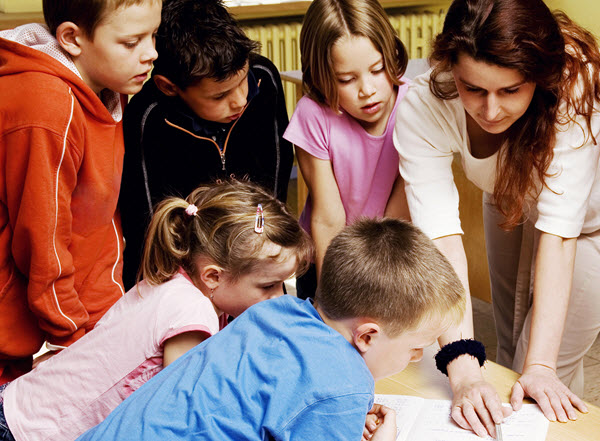
Peer feedback is a valuable tool in any educational setting, including alternative schooling and education programs. It allows students to learn from each other, develop critical thinking skills, and improve their own work through constructive criticism. In this article, we will explore various peer feedback strategies that can be implemented in alternative schooling environments to enhance student learning and growth.
1. **Establishing a Positive Feedback Culture**: Before diving into specific feedback strategies, it’s essential to cultivate a positive and supportive feedback culture within the classroom or learning community. Encourage students to view feedback as an opportunity for growth rather than criticism. Emphasize the importance of respectful communication and constructive criticism in helping each other improve.
2. **Training Students on Giving Effective Feedback**: Many students may not have experience providing feedback or may struggle with giving meaningful input. Offer guidance on how to give effective feedback by focusing on specific aspects of the work, being descriptive rather than judgmental, offering suggestions for improvement, and highlighting strengths along with areas for growth.
3. **Utilizing Peer Review Sessions**: Peer review sessions can be structured activities where students exchange their work for feedback from classmates. Pairing or grouping students based on similar skill levels or interests can ensure that they receive relevant input from their peers. Provide clear guidelines on what aspects of the work should be reviewed and encourage students to ask clarifying questions if needed.
4. **Feedback Sandwich Technique**: The feedback sandwich technique involves framing constructive criticism between positive comments or strengths of the work. For example, start by praising something well-done in the work, then provide suggestions for improvement, followed by another positive note to end on a reassuring tone.
5. **Two Stars and a Wish Method**: This method involves having peers identify two things they liked (stars) about the work and one thing they wish (an area for improvement). It helps balance positive reinforcement with constructive critique while keeping the focus on both strengths and areas needing development.
6. **Anonymous Peer Feedback**: To promote honest and unbiased feedback, consider incorporating anonymous peer feedback sessions where students provide comments without revealing their identities. This approach can help reduce potential biases or social dynamics that might influence responses.
7. **Utilizing Technology Platforms for Feedback**: Online platforms like Google Docs comments feature or dedicated peer review tools such as PeerGrade.io can streamline the process of exchanging and receiving peer feedback digitally. These platforms allow real-time collaboration, track changes made during revisions, and facilitate easy communication between peers.
8..**Group Critique Sessions**: Organize group critique sessions where multiple peers discuss one another’s works collectively under your facilitation.. Encourage active participation from all members by asking open-ended questions about different aspects of the pieces presented..
9..**Peer Evaluation Rubrics:** Develop simple rubrics outlining key criteria for evaluating assignments that can be used by peers when providing feedback.. Include categories such as content accuracy,, organization clarity,, creativity originality,, etc., along with descriptors ranging from excellent/poor,. Distribute these rubrics before peer review sessions so that students understand what is expected of them..
10..**Self-Reflection After Receiving Feedback:** Encourage students to reflect upon received peer feedback after revising their work,. Ask them to write about how they incorporated suggestions into their revised versions,,, what challenges they faced during revision due critiques offered,,,and how those criticisms helped them grow as learners,.
11..**Teacher Integration of Peer Feedback:** While peer-to-peer interaction forms core component effective use strategy teacher plays important role guiding facilitating process,. Teachers should monitor review sessions step when necessary intervene redirect conversations back productive paths,. They also follow-up individual basis ensure each student understands implements received advice appropriately,.
12.*Celebrating Progress*: Recognize acknowledge progress achievements made through using system publicly praise efforts improvements seen among group., Celebrating small milestones encourages continued engagement fosters supportive collaborative atmosphere among individuals involved,.
13*.Creating Safe Space*: Foster environment trust respect among participants make sure feel comfortable sharing vulnerability taking risks receiving critical commentary., Building safe space requires consistent effort modeling behavior promoting empathy understanding throughout interactions within community,.
14.*Integration Periodic Reflections*: Regularly schedule time reflections discussions regarding effectiveness program adjustments needed,. Allow opportunities share experiences challenges encountered implementing strategies offer suggestions improvements moving forward,. Open dialogue promotes sense ownership commitment towards ongoing enhancement practice methods employed.,
15.*Encouraging Diverse Perspectives*: Promote inclusion diverse viewpoints backgrounds throughout process seeking out unique insights experiences contribute richer overall discussion outcomes., Welcoming variety perspectives enriches exchange broadens horizons participants involved while fostering deeper appreciation value differences bring table.
Incorporating these strategies into alternative schooling settings can empower students to take ownership of their learning journey collaborate effectively with their peers while developing crucial communication skills critical thinking abilities self-awareness… By creating a culture where constructive criticism becomes catalyst growth development educators pave way nurturing next generation empowered learners capable adapting evolving rapidly changing world around them….
 Alternative Amie
Leave a comment