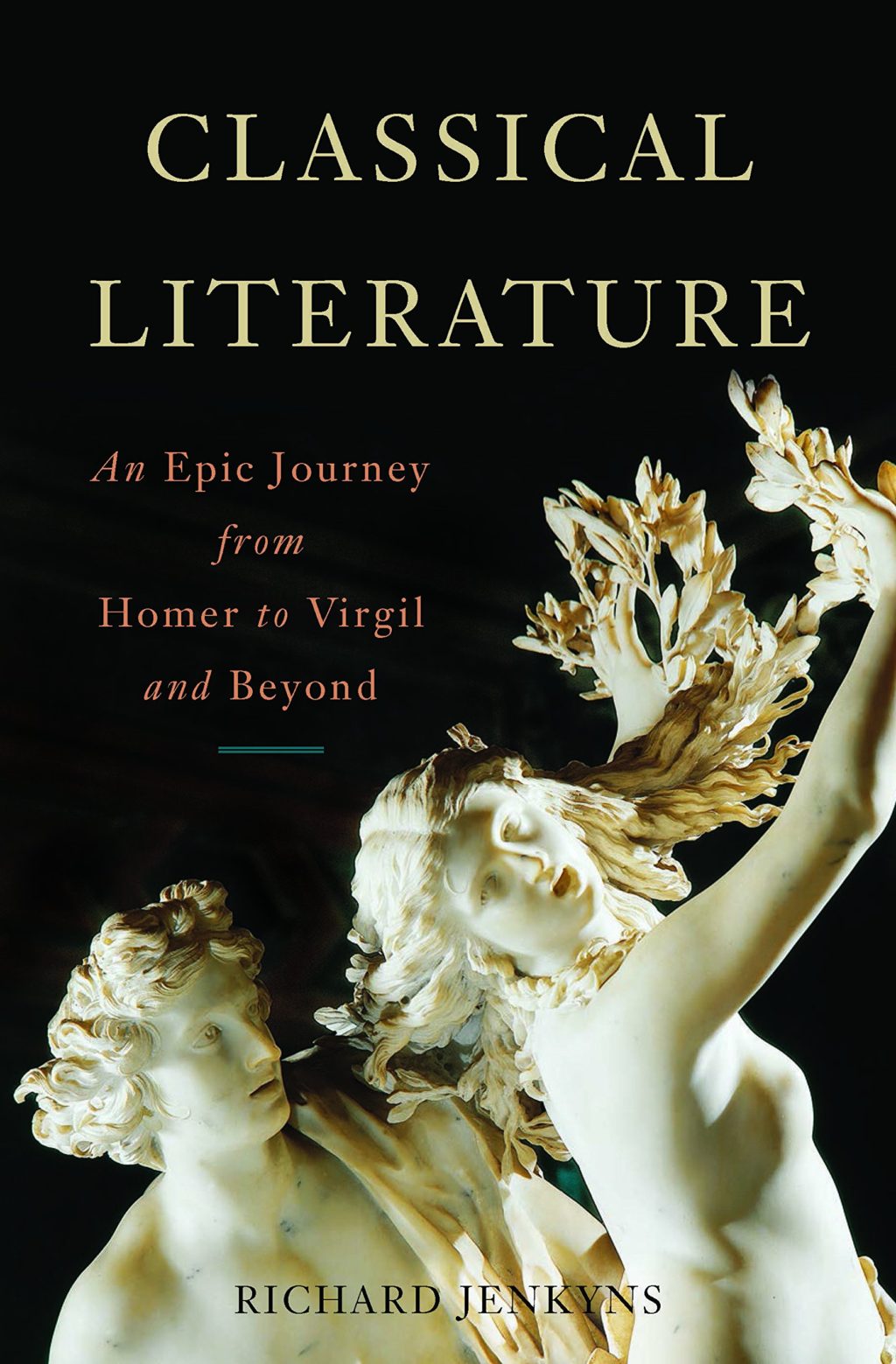
Classical literature holds a special place in education as it offers timeless stories and themes that continue to resonate with readers across generations. When it comes to interpreting classical works, there are various approaches that can enrich the understanding and appreciation of these texts.
One common method is looking at the historical context in which the work was written. Understanding the societal norms, values, and events of the time can provide valuable insights into why certain themes or characters are portrayed in a particular way. For example, examining Homer’s “The Iliad” within the context of ancient Greek society sheds light on concepts such as honor, heroism, and fate.
Another approach is analyzing literary devices used by the author. Exploring elements such as symbolism, imagery, foreshadowing, and motifs can uncover layers of meaning within the text that may not be immediately apparent upon first reading.
Additionally, considering different critical perspectives can offer diverse interpretations of classical literature. From feminist readings to postcolonial analyses, approaching a text from various angles can reveal new dimensions and provoke thought-provoking discussions.
Ultimately, interpreting classical literature requires an open mind and a willingness to engage with complex ideas and themes. By delving deep into these timeless works with curiosity and critical thinking skills, students can unlock a wealth of knowledge and insight that transcends time periods and cultures.
 Alternative Amie
Leave a comment